World Council of Churches Unites Amid Global Challenges
Despite wars, climate crises, and political division, the World Council of Churches reports that its global fellowship continues growing stronger, choosing hope over despair. The international organization is reshaping its structure to better serve communities worldwide.
When the world feels fractured, millions of believers are choosing to walk together instead of apart.
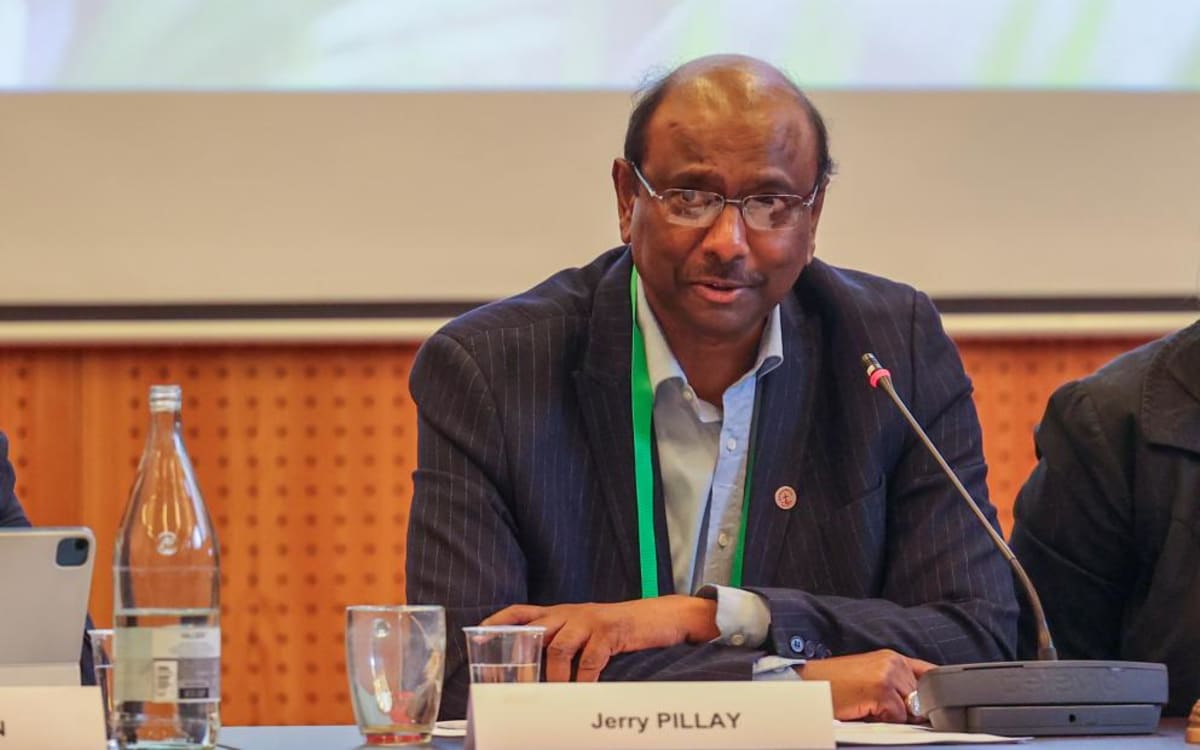
The World Council of Churches, representing hundreds of millions of Christians across the globe, met online in June 2026 to chart its course forward. General Secretary Rev. Prof. Dr Jerry Pillay shared an encouraging message: despite enormous challenges, churches worldwide are doubling down on their commitment to justice, peace, and reconciliation.
The past six months have tested communities everywhere. Wars rage on multiple continents. Climate emergencies displace families. Economic instability shakes foundations. Political polarization tears at social fabric.
Yet Pillay reports something remarkable happening. Church communities aren't retreating. They're leaning in harder, building bridges across divides that others say can't be crossed.
The organization had hoped to meet in Bethlehem, a powerful symbol of peace and coexistence. When security concerns made that impossible, they didn't cancel. They adapted, moving online and rescheduling their Bethlehem gathering for November 2027.
This flexibility reflects a deeper transformation underway. The WCC is restructuring its entire office to become more effective and responsive. They're guided by what they call the Pilgrimage of Justice, Reconciliation, and Unity, a framework that turns spiritual principles into practical action.
The Ripple Effect
The changes happening within the World Council of Churches matter far beyond church walls. When massive interfaith organizations choose collaboration over competition, they model something the world desperately needs right now.
The fellowship includes churches from vastly different traditions, cultures, and political contexts. Getting them to work together requires exactly the skills our divided world lacks: deep listening, mutual respect, and commitment to common goals despite differences.
Their restructuring sends a message to other international organizations struggling with similar challenges. Adaptation doesn't mean abandoning mission. Sometimes reshaping structure strengthens purpose.
The WCC's executive committee spent five days reviewing financial reports, assessing programs, and planning ahead. That kind of transparent accountability, especially during turbulent times, builds the trust that makes ambitious cooperation possible.
Member churches from Palestine to China, from Europe to Africa, continue their local work: feeding hungry families, mediating conflicts, sheltering refugees, advocating for climate action. The WCC connects these scattered lights into a visible constellation of hope.
As political leaders increasingly use religion to divide people, these churches are proving faith can still unite across the very boundaries others weaponize. Their witness matters now more than ever.
Based on reporting by Google News - Reconciliation
This story was written by BrightWire based on verified news reports.
Spread the positivity!
Share this good news with someone who needs it