World's Largest Quantum Simulator Built Atom by Atom
Australian scientists just built the biggest quantum simulator ever, arranging 15,000 atoms one by one to unlock the secrets of tomorrow's super-materials. This breakthrough could help engineers create superconductors that work at room temperature, transforming everything from power grids to medical devices.
Scientists in Australia just achieved something remarkable: they built a massive quantum simulator by placing 15,000 atoms exactly where they wanted them, one at a time.
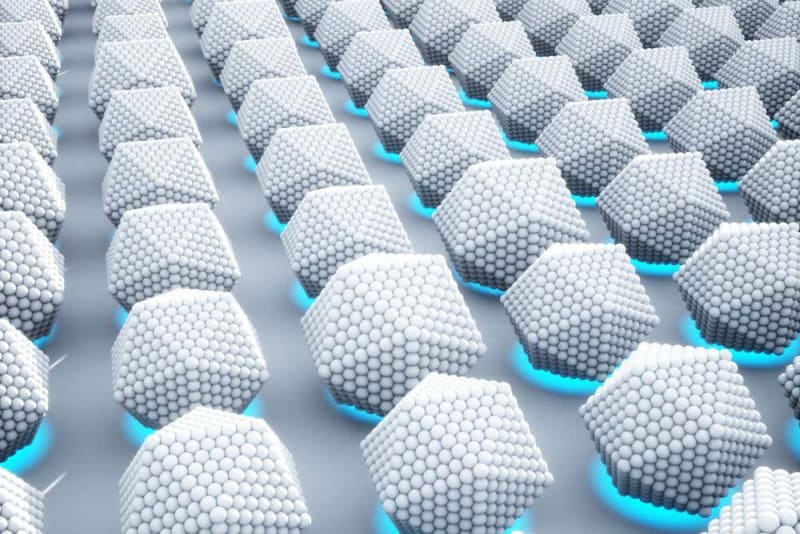
Michelle Simmons and her team at Silicon Quantum Computing created what they're calling Quantum Twins. The simulator arranges phosphorus atoms into silicon chips in precise patterns that mimic how real materials are structured at the atomic level.
Think of it like building the world's most advanced Lego set, except each piece is an individual atom. Every atom becomes a "qubit," the basic building block that lets the simulator model materials in ways regular computers simply can't handle.
The team can control how electrons behave in their simulator, adjusting properties like how easily electricity flows. This means they can test different material designs without actually manufacturing them, saving years of trial and error.
The first test was a success. The simulator accurately modeled how materials switch between conducting electricity and blocking it, a property that's notoriously difficult to predict with conventional computers.
The Ripple Effect
This breakthrough could revolutionize how we create superconductors, materials that carry electricity with almost perfect efficiency. Right now, most superconductors only work at incredibly cold temperatures or under crushing pressure, making them impractical for everyday use.
But some superconductors can function in milder conditions. Scientists just haven't fully understood how they work at the microscopic level. Quantum Twins could change that, helping researchers design superconductors that operate at room temperature.
The implications stretch far beyond electricity. Room-temperature superconductors could make MRI machines cheaper and more accessible, enable ultra-efficient power grids that waste almost no energy, and power magnetic levitation trains without the massive cooling systems they currently need.
The simulator could also help develop new molecules for drug development and artificial photosynthesis devices that could pull carbon dioxide from the air while producing clean fuel.
What makes this especially exciting is the scale. At 15,000 qubits arranged in a controllable grid, Quantum Twins is larger than any previous quantum simulator for materials. Previous attempts using ultra-cold atoms topped out at a few thousand qubits with less precise control.
Simmons says her team is now "designing new materials in previously unthought-of ways" by building them atom by atom in their simulator first.
The next frontier is tackling unconventional superconductors, the mysterious materials that could transform energy transmission and storage across the planet.
More Images



Based on reporting by New Scientist
This story was written by BrightWire based on verified news reports.
Spread the positivity!
Share this good news with someone who needs it