World's Longest Rail Tunnel Plans Alps Restoration
The 64-kilometer Brenner Base Tunnel between Austria and Italy is creating a new Alpine valley from excavation debris, promising to restore the landscape within a decade. Engineers are using 30-kilometer conveyor belts instead of trucks to move 7.7 million cubic meters of rock while protecting nearby villages.
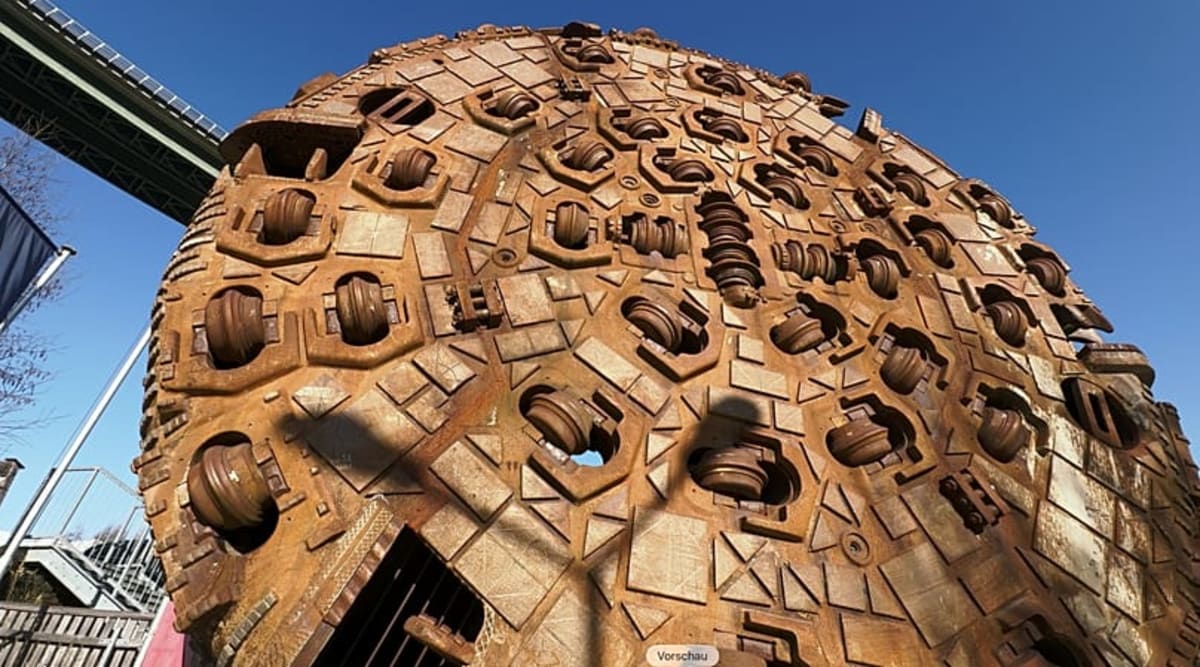
Deep beneath the Austrian Alps, massive tunnel-boring machines are carving out the world's longest railway tunnel while engineers above ground are planning something remarkable: turning a valley full of construction debris into a thriving Alpine ecosystem.
The Brenner Base Tunnel stretches 64 kilometers between Austria and Italy, creating one of Europe's biggest construction projects. But all that excavated rock has to go somewhere, and the team found an innovative solution.
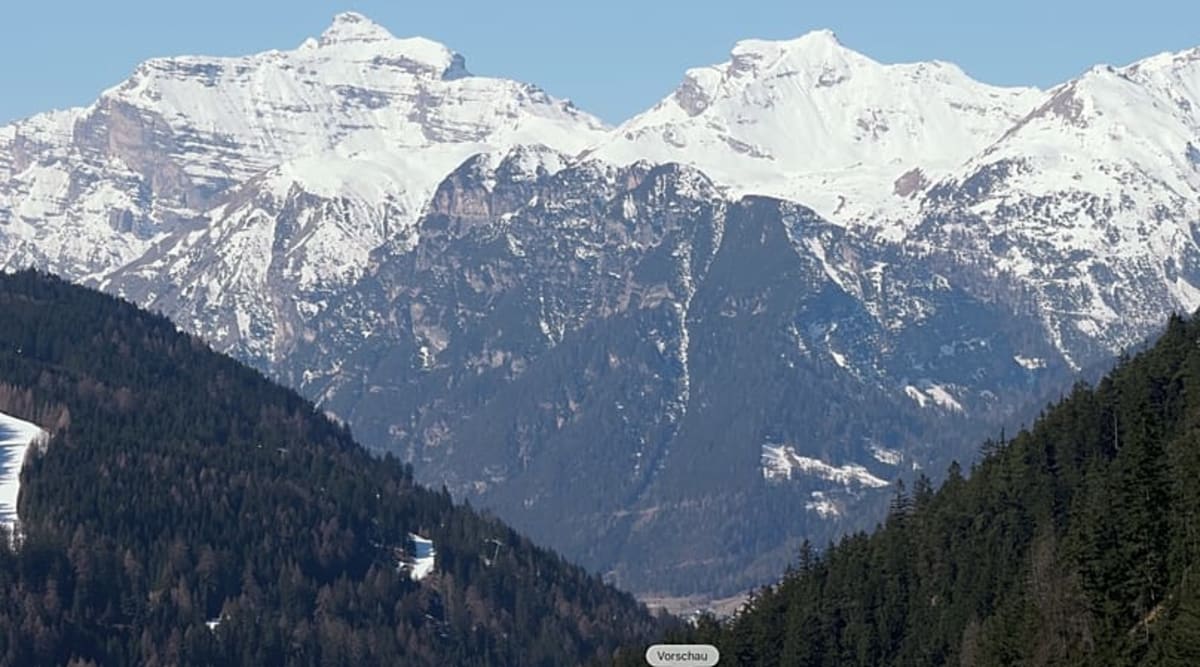
The Padaster Valley once had a sharp V-shaped profile with steep slopes. Now it's being transformed into a gentler U-shaped valley using 7.7 million cubic meters of excavated rock. That's roughly the volume of three Great Pyramids of Giza, all crushed into stone chips.
Project manager Sebastian Reimann oversees the operation, which at its peak saw four tunnel-boring machines running simultaneously. The team moved more than 250,000 cubic meters of rock every month from deep underground to the valley surface.
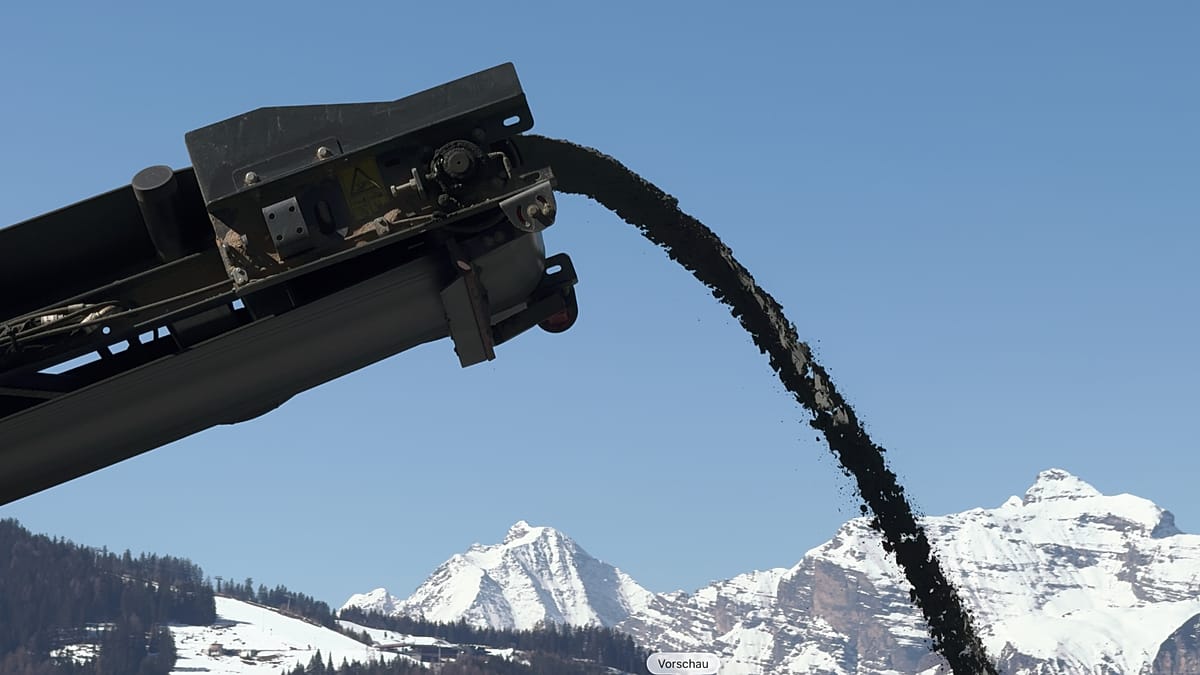
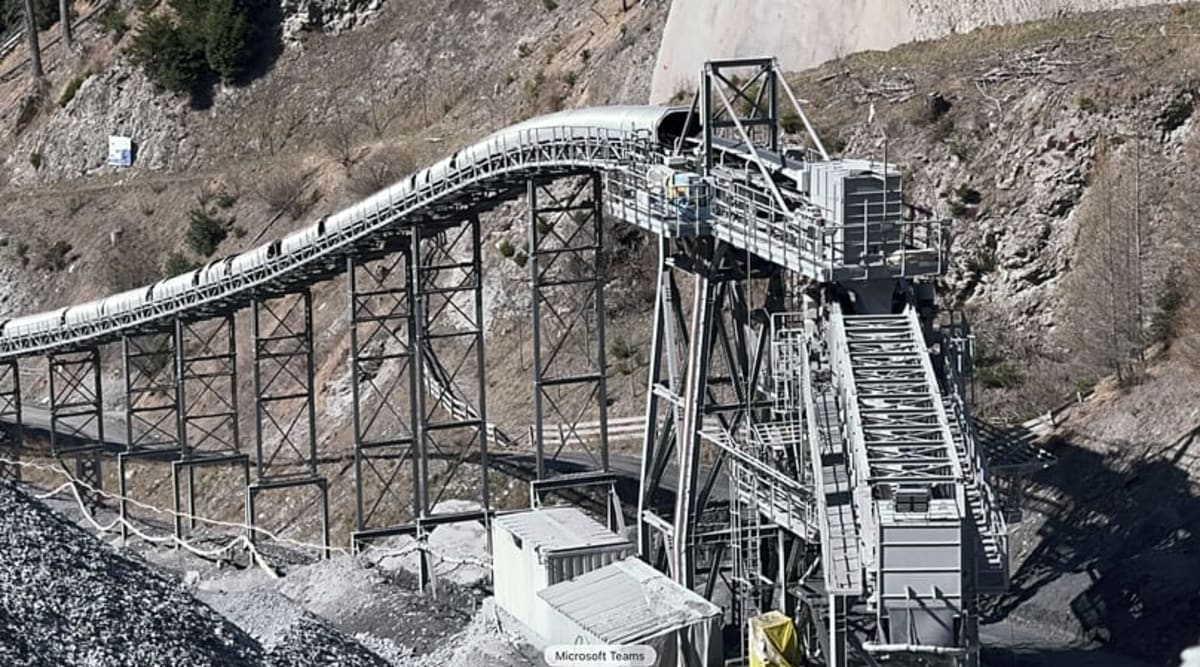
The real innovation lies in how they're doing it. Instead of sending thousands of heavy trucks through nearby villages like Steinach am Brenner, engineers built a 30-kilometer conveyor belt system that snakes through the mountains. The belt connects directly to the tunnel site through a special four-kilometer access ramp, keeping the debris transport completely away from local communities.
The Ripple Effect
This approach does more than spare villages from years of truck traffic. It creates a blueprint for how massive infrastructure projects can minimize environmental disruption while actually improving landscapes. The company promises the Padaster Valley will become a model for ecological restoration across Europe and beyond.
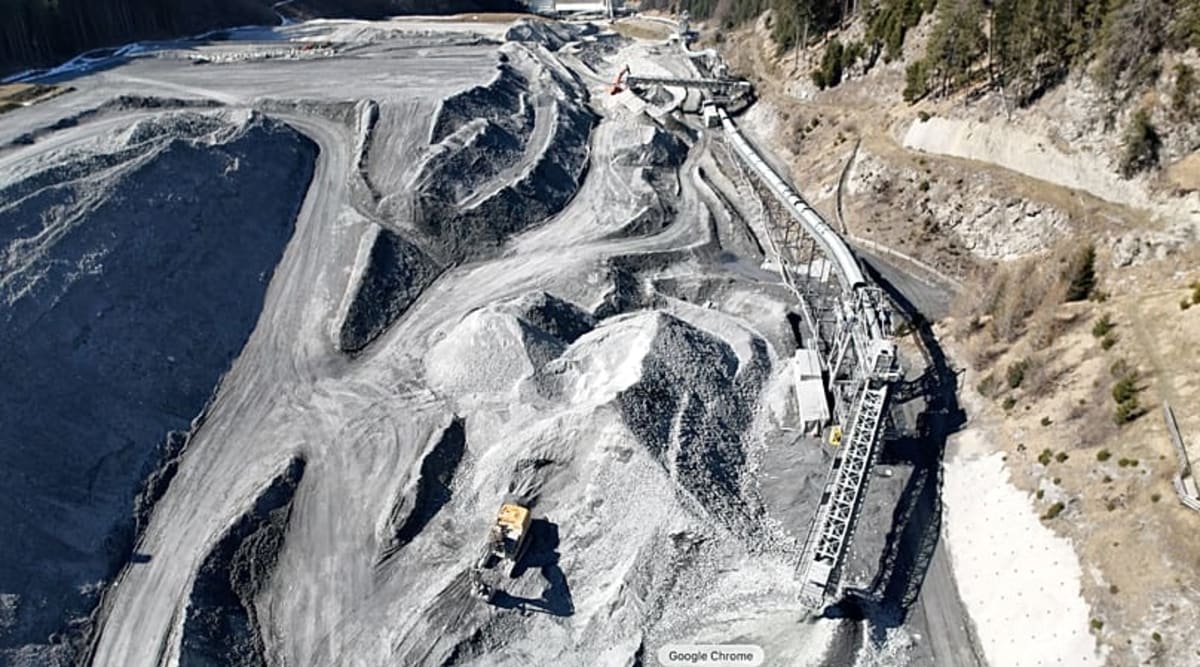
Right now, the valley looks like a gray stone desert. The Padasterbach river has been temporarily diverted during construction. But within ten years, project leaders say a blossoming Alpine landscape will stretch across the valley floor, different from before but vibrant with new life.
The tunnel itself will revolutionize rail travel between northern and southern Europe, cutting journey times and reducing carbon emissions from freight transport. But the restoration project happening above ground might be just as important.
Engineers and landscape planners worked together from the start to design a valley that could support diverse Alpine ecosystems. The gentler slopes will make the area more accessible while providing better conditions for plants and wildlife to flourish.
In an era when construction projects often face criticism for environmental damage, the Brenner team is showing how major infrastructure can coexist with nature restoration. The conveyor belt system alone prevented years of heavy truck traffic that would have polluted the air and disturbed mountain communities.
This massive engineering feat proves that building for the future doesn't mean sacrificing the landscape we already have.
More Images
Based on reporting by Euronews
This story was written by BrightWire based on verified news reports.
Spread the positivity!
Share this good news with someone who needs it