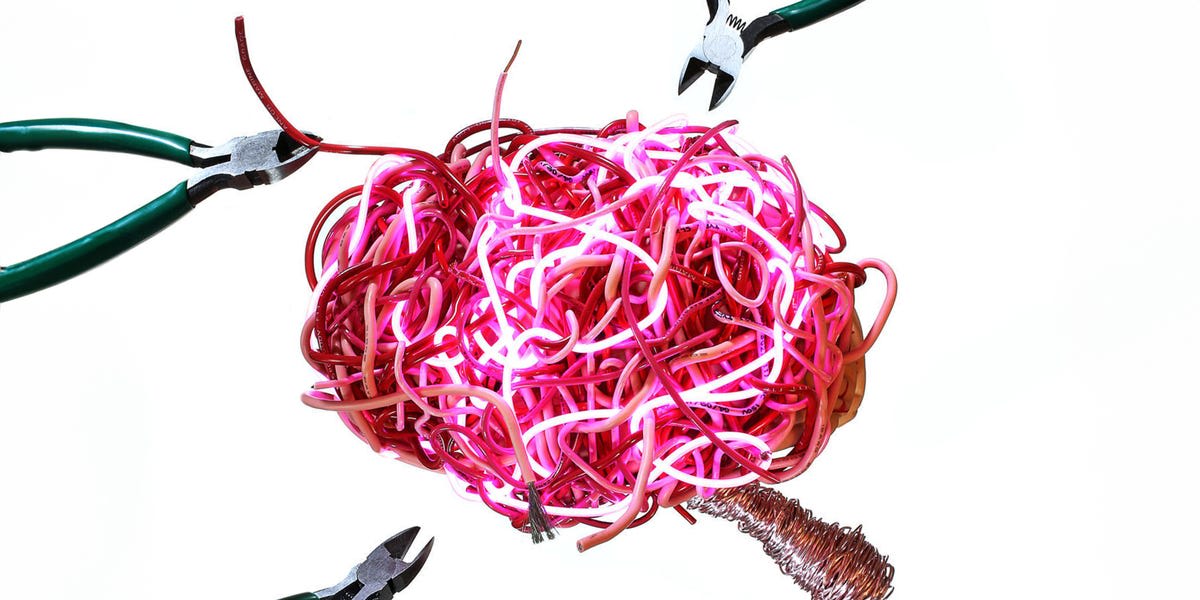
Writing About Trauma Heals Wounds Twice as Fast, Study Finds
Scientists discovered that older adults who wrote about their deepest emotions healed from minor wounds 76% faster than those who kept neutral journals. The breakthrough reveals how confronting psychological stress can trigger remarkable physical healing.
Imagine healing a wound simply by writing in a journal. That's exactly what happened when researchers asked older adults to spend 20 minutes putting their most upsetting life experiences on paper.
In a groundbreaking 2013 study, scientists gave two groups of adults aged 64 and older identical small wounds from a simple biopsy procedure. One group wrote daily about their deepest thoughts and most distressing memories. The other group also journaled, but only about their daily activities in an emotionally neutral way.
The results stunned researchers. After just 11 days, 76% of the expressive writing group had completely healed. In the control group, only 42% had healed in the same time frame.
The study built on decades of research by psychologist James Pennebaker, who pioneered the field of expressive writing. His work began with a simple question: if keeping secrets harms us, what happens when we confront them? Writing turned out to be the perfect tool.
Pennebaker's earlier research showed that expressive writing could boost immune function, improve mental health, and reduce doctor visits. But this 2013 study proved the benefits extend even to physical wound healing.
The magic happens in our minds first. Writing about traumatic experiences forces us to confront what we've been avoiding. We have to acknowledge the pain, turn it over in our thoughts, and translate messy emotions into structured language.
This process relieves psychological stress, which has been linked to weakened immune systems and slower healing. When we reduce that mental burden, our bodies can focus energy on repair instead of managing anxiety and emotional turmoil.
Why This Inspires
The connection between mind and body runs deeper than most of us realize. Licensed therapist Alli Spotts-De Lazzer explains that labeling and expressing our internal experiences calms our nervous system. The act of letting thoughts flow from brain to hand to page may help us regulate emotions and break free from endless mental loops.
Harvard Health Publishing notes that writing constructs a story around traumatic events, creating intellectual understanding that replaces unproductive rumination. We're not just venting, we're reframing.
Expressive writing isn't a miracle cure for serious mental health conditions or physical injuries. Some people feel temporarily worse before experiencing benefits, and anyone dealing with recent trauma should wait a few months before trying this approach. Pennebaker himself recommends that timeline.
But for everyday stress and old wounds that never quite healed, grabbing a pen might be more powerful than we thought. The study offers undeniable evidence that addressing our deepest pain doesn't just make us feel better emotionally. It actually helps our bodies heal faster, stronger, and more completely.
Science continues to reveal what many have long suspected: taking care of our mental health isn't separate from physical wellness.
More Images



Based on reporting by Upworthy
This story was written by BrightWire based on verified news reports.
Spread the positivity!
Share this good news with someone who needs it