WSU Scientists Triple Biogas from Sewage Sludge
Scientists at Washington State University developed a breakthrough process that converts 83% of sewage sludge into renewable natural gas while cutting disposal costs in half. The innovation could save billions annually while dramatically reducing greenhouse gas emissions from wastewater treatment.
What if one of humanity's most abundant waste products could help solve our energy and climate challenges at the same time?
Scientists at Washington State University just cracked the code on turning sewage sludge into serious fuel. Their new two-stage system triples the amount of renewable natural gas extracted from wastewater while slashing disposal costs from $494 to $253 per dry ton.
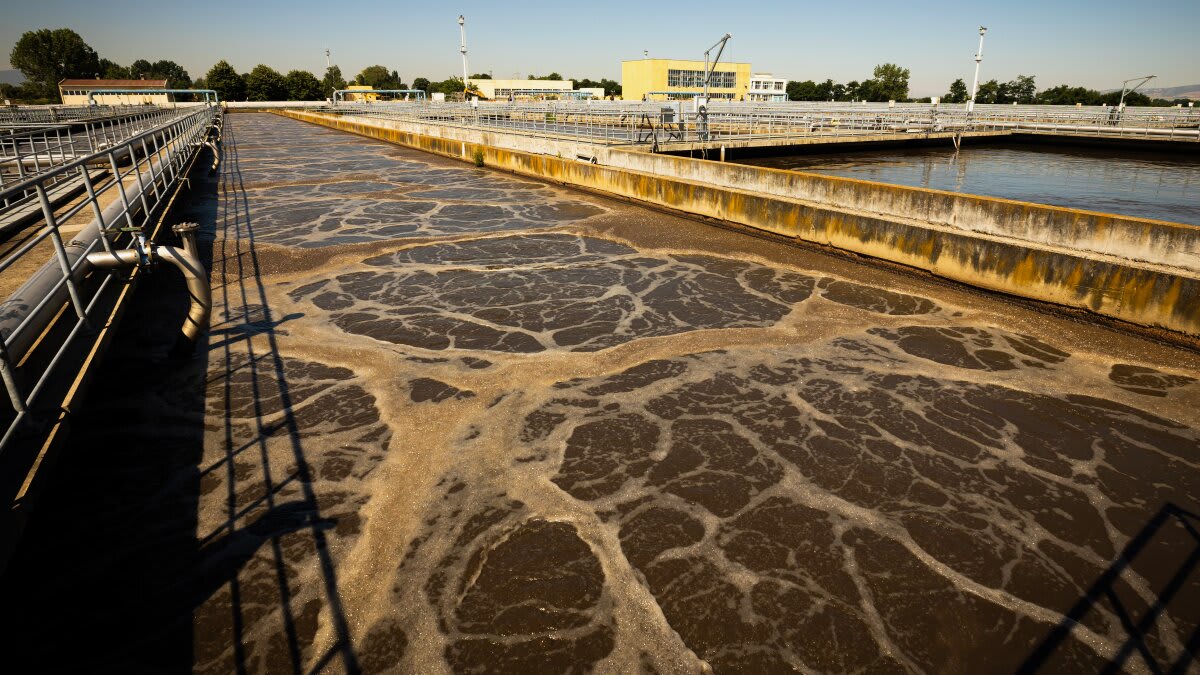
Here's why this matters: America's nearly 15,000 wastewater treatment facilities currently gobble up 3% to 4% of all US electricity. That's six to eight times more than all electric vehicle charging combined. These facilities also pump 21 million metric tons of greenhouse gases into the atmosphere every year.
Traditional sewage processing uses anaerobic digestion, where microbes break down sludge in oxygen-free tanks. But conventional methods only convert less than 40% of the sludge's carbon into usable gas. The rest becomes biosolids that end up in landfills, creating even more emissions.
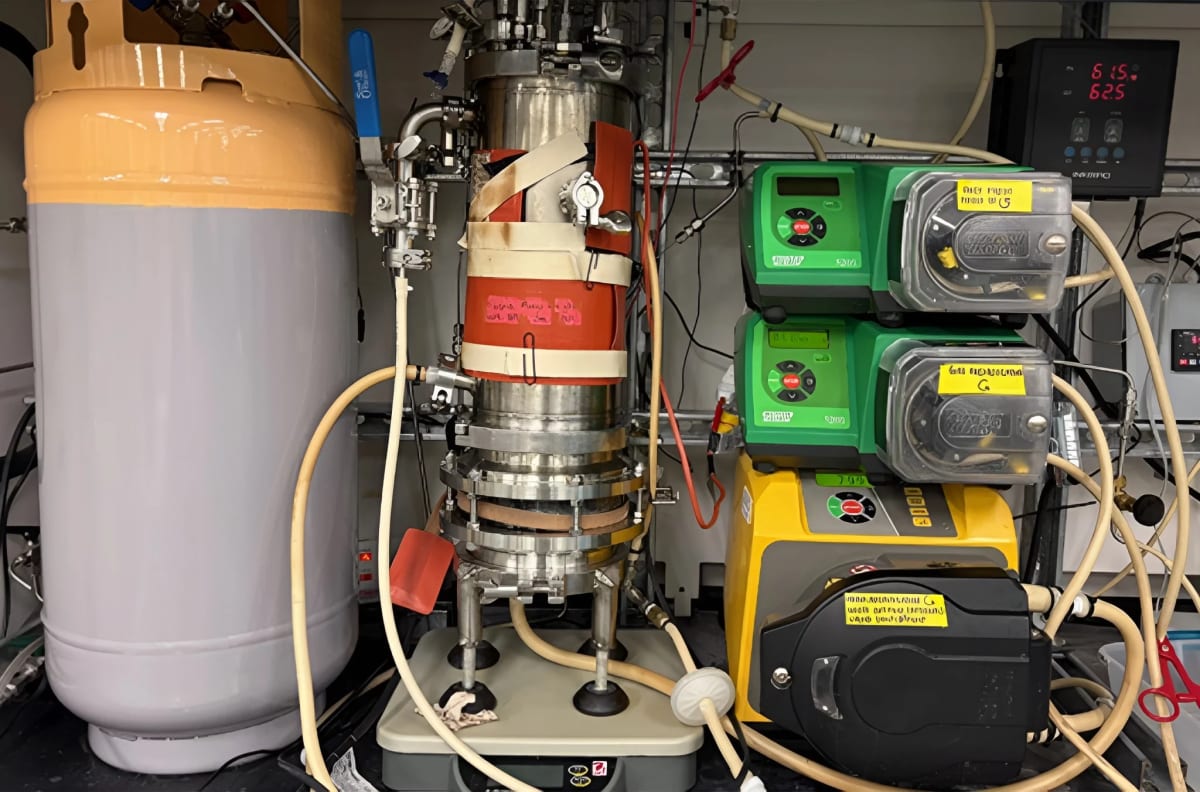
The WSU team developed the Advanced Pretreatment and Anaerobic Digestion (APAD) process to squeeze far more value from what usually becomes waste. After conventional digestion, leftover sludge gets blasted with high temperatures, pressure, and controlled oxygen in a treatment called Advanced Wet Oxidation and Steam Explosion.
This breaks apart stubborn organic compounds that microbes normally can't digest. The treated sludge then goes through a second round of anaerobic digestion, extracting biogas from material that would otherwise head to the landfill.
The real magic happens in the final upgrade stage. A specially developed bacterial strain called Methanothermobacter wolfeii BSEL lives in a trickle-bed bioreactor and converts carbon dioxide in the biogas into additional methane. Professor Birgitte Ahring calls it a "workhorse" that needs nothing but water and a vitamin supplement to do its job.
The results are remarkable. The integrated system achieved 83% carbon conversion efficiency, meaning four out of every five carbon atoms in sewage sludge become usable fuel instead of waste.
The Ripple Effect
This breakthrough could reshape how America handles wastewater. Half of US treatment facilities already use anaerobic digestion, creating immediate opportunities for implementation. If scaled nationally, the researchers' modeling suggests potential savings in the billions of dollars annually.
The environmental impact extends beyond just fuel production. By converting far more waste into energy and dramatically reducing leftover biosolids, the system could significantly cut greenhouse gas emissions from both wastewater treatment operations and landfills.
The US Department of Energy's Bioenergy Technologies Office funded the research, signaling strong federal interest in scaling the technology. The team has already patented their bacterial strain and is actively seeking industrial partners for larger-scale deployment.
Looking ahead, the researchers believe the approach could work on other organic materials beyond sewage sludge. "We'll have a waste treatment technology that is world-class when it comes to efficiency," says Ahring.
Turning one of humanity's least glamorous byproducts into clean energy at scale would be a win for climate, economy, and public health all at once.
More Images


Based on reporting by New Atlas
This story was written by BrightWire based on verified news reports.
Spread the positivity!
Share this good news with someone who needs it