WWII Control Tower Becomes Holiday Home and Bat Sanctuary
A crumbling Battle of Britain control tower in Hampshire is getting a £700,000 makeover into a holiday home that will share space with six species of resident bats. The restoration will preserve both wartime history and the protected animals that have called the building home for years.
A derelict RAF watch office that witnessed some of the most pivotal battles of World War II is getting a second life as both a holiday retreat and a protected bat sanctuary.
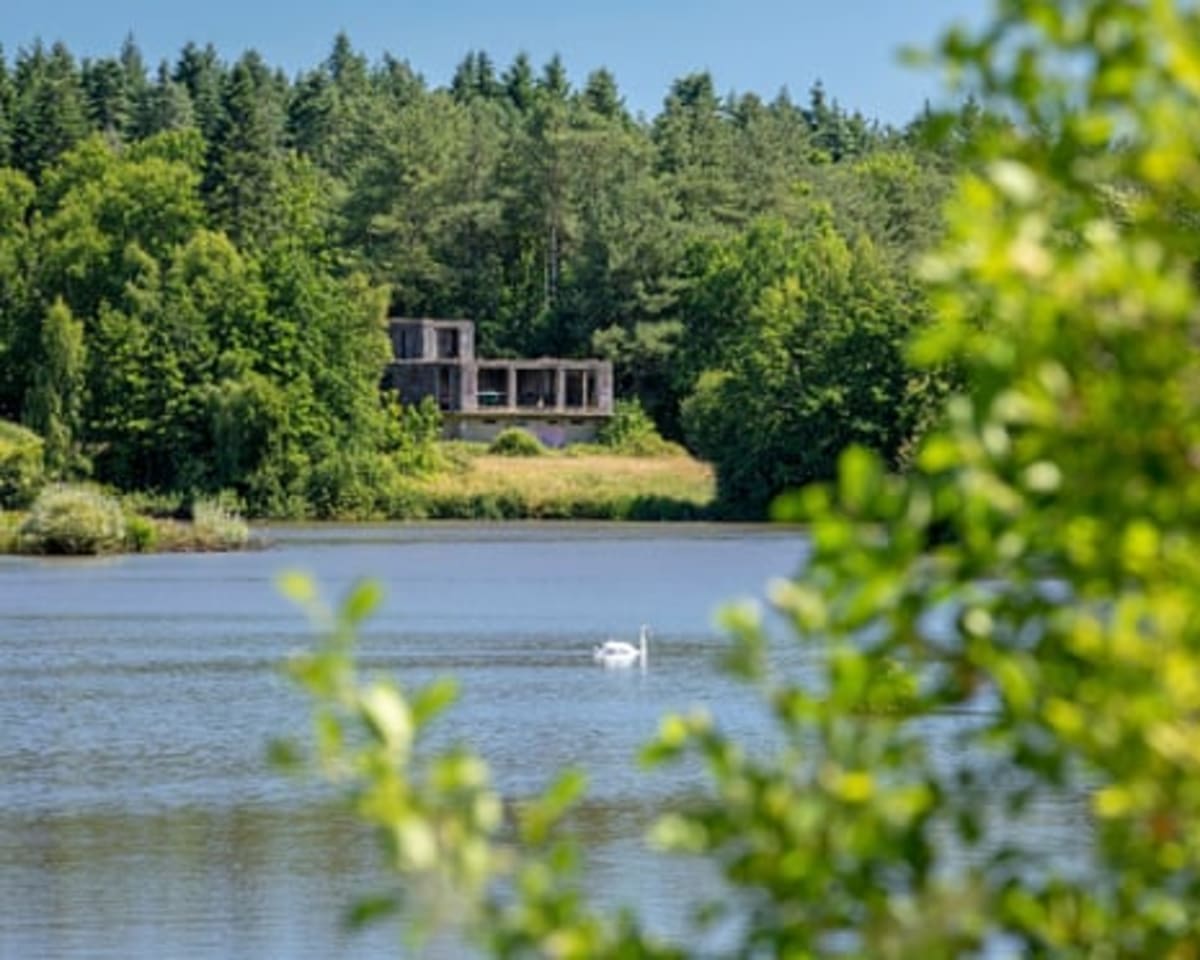
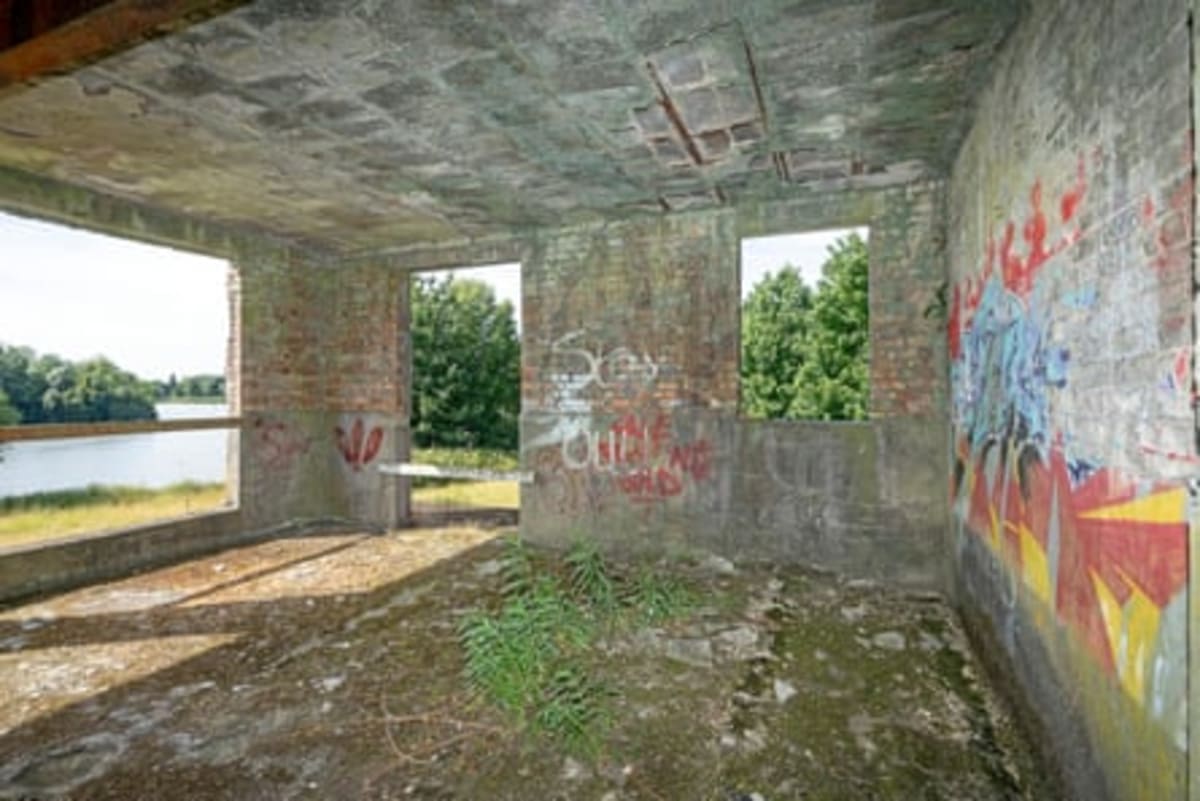
The Landmark Trust received approval to transform the abandoned control tower at former RAF Ibsley in Hampshire's New Forest into a four-bedroom holiday home with an unusual requirement. The building's old teleprinter and forecast rooms must remain as roosts for the six species of bats that have lived in the damp, decaying concrete for years.
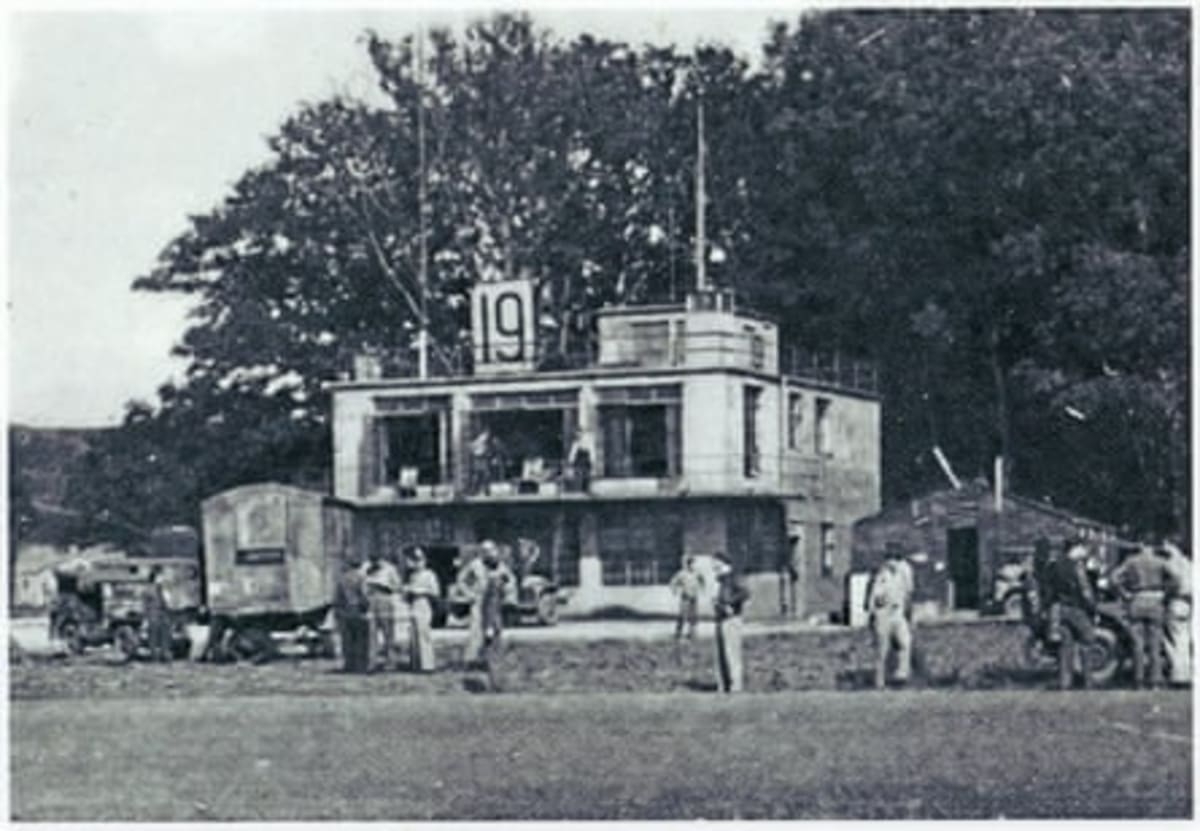
During World War II, British and US personnel stationed at RAF Ibsley fueled Hurricane and Spitfire planes that flew over the Channel to protect ships and intercept enemy aircraft. The base even hosted actors Leslie Howard and David Niven while filming The First of the Few, a morale-boosting war film.
The hastily built but elegant watch office has been crumbling for decades. According to New Forest council planning officer Jessica Cooke, the building holds "significant local interest" for its architecture and history, while also having "high conservation significance for bats."
Natural England initially objected to the conversion plans over concerns about the bats. But the Landmark Trust assured officials that the animals would keep their home, with part of the building staying suitably dark for the nocturnal residents while the rest becomes light and airy for human guests. Plans even include converting a wartime blast shelter into an additional bat roost.
The Airfield Research Group supported the project, calling it a "lasting testament to the air and ground crew who fought so valiantly at Ibsley." Public support has been overwhelming, with many remembering the young pilots who flew sorties from the base during the Battle of Britain, some never returning.
Why This Inspires
This project shows that preservation doesn't mean choosing between history and nature. The £700,000 restoration demonstrates how humans can honor the past while protecting wildlife, creating a space where both stories matter. Caroline Stanford, the trust's historian, called it astonishing that the modernist building survived this long, making its rescue even more meaningful.
Work begins later this year on a building that will finally shelter those who visit, while continuing to shelter those who never left.
More Images

Based on reporting by Guardian Environment
This story was written by BrightWire based on verified news reports.
Spread the positivity!
Share this good news with someone who needs it