Wyoming Takes Back Grizzly Bear Management After 50 Years
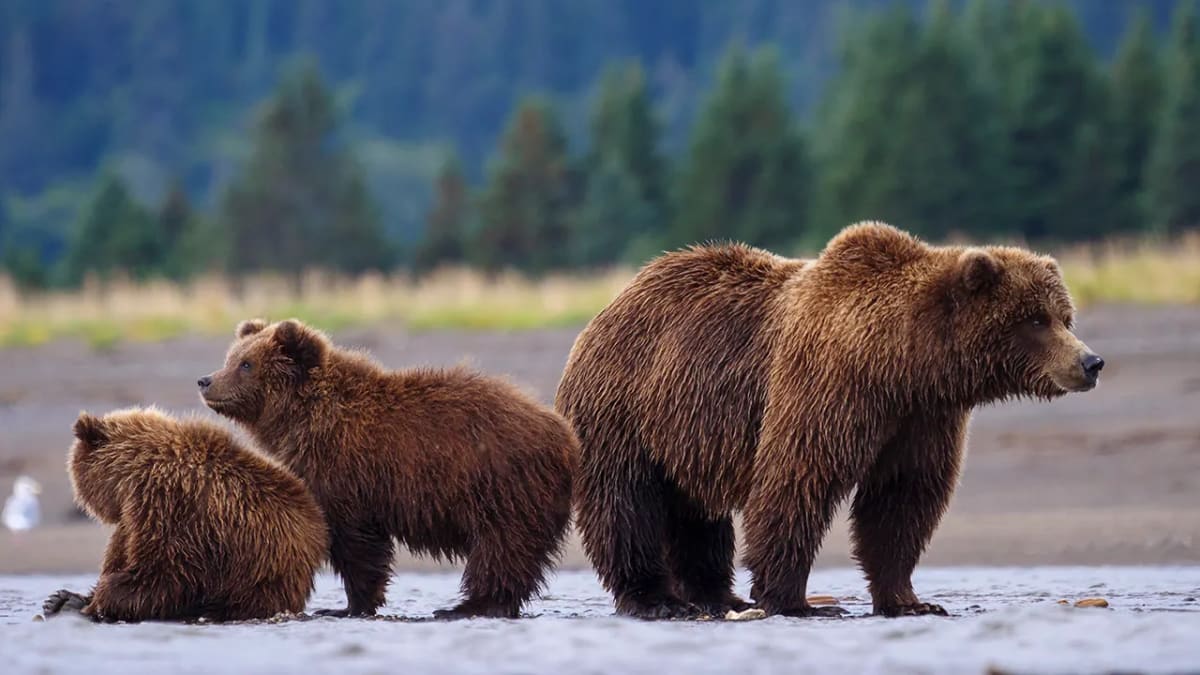
After a 50-year conservation success story that grew grizzly populations from 136 to 1,000 bears, the Trump administration is returning wildlife management to Wyoming. Local experts who've spent decades protecting these thriving bears will finally make decisions about the species they helped save.
Wyoming ranchers and wildlife managers are celebrating a major shift in how America handles conservation success stories.
The Trump administration announced a new rule last week giving Wyoming control over grizzly bear populations that have flourished for decades. After years of federal oversight from officials who've never visited the region, local experts will now manage the bears they've lived alongside and protected.
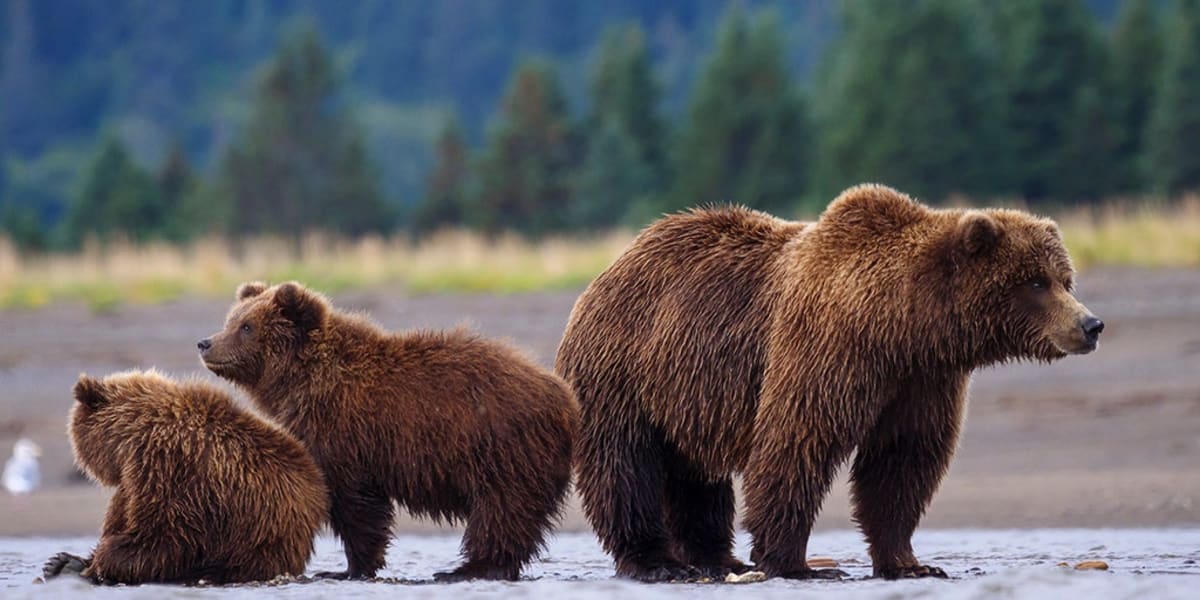
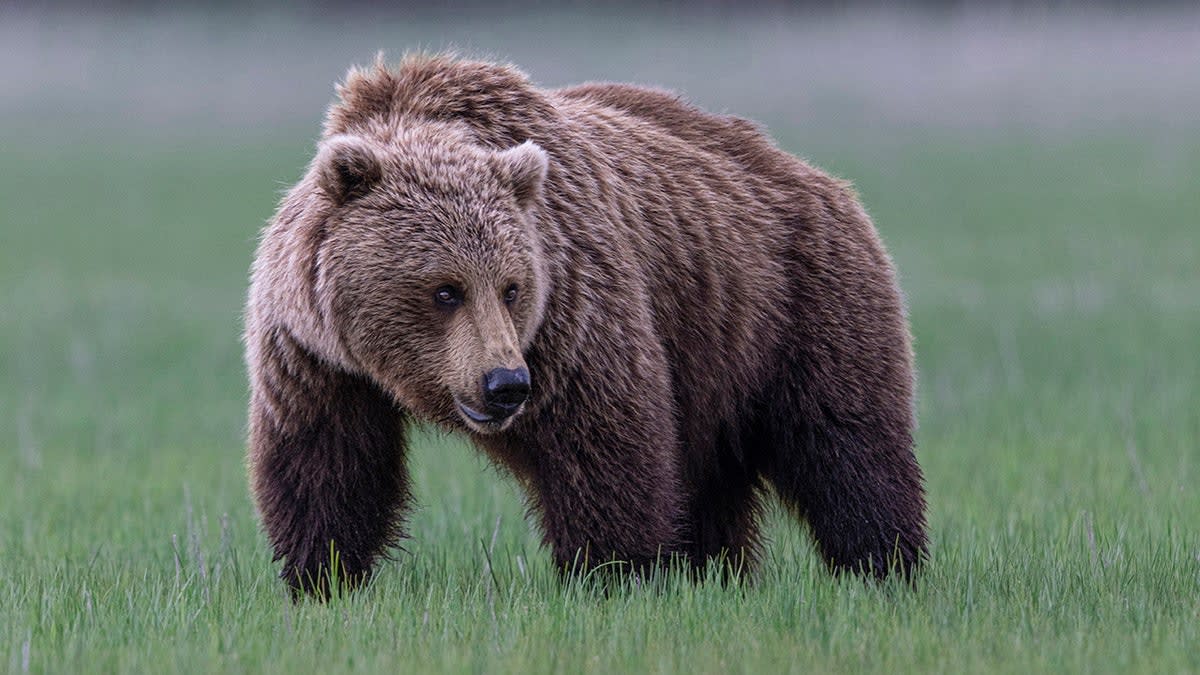
The numbers tell an incredible conservation story. When grizzly bears were listed as endangered in 1975, only 136 remained in the Greater Yellowstone ecosystem. Today, more than 1,000 grizzlies roam the region, a sevenfold increase that crushes every recovery target ever set.
Wyoming has invested tens of millions of dollars building the teams behind this success. State biologists relocate dozens of bears annually to prevent conflicts before they escalate. The Bear Wise program teaches ranchers and hikers how to coexist safely with growing grizzly populations, and the approach works.
Despite clearing federal recovery benchmarks since 2004, the bears remained on the endangered list. The species was briefly delisted in 2007, only to be relisted in 2009 after activist lawsuits. The same pattern repeated under the Biden administration, which rejected delisting petitions in 2023 and again in January 2025, just days before leaving office.
The Endangered Species Act was designed to recover threatened species and then return their management to states once populations stabilize. Wyoming officials argue that refusing to delist recovered species undermines public trust in conservation efforts and makes it harder to protect species that truly need help.
The Ripple Effect
This shift represents more than local control over one species. It proves that state-led conservation can work spectacularly well when communities invest in coexistence.
Wyoming's approach combines science with ground-level knowledge. Game and Fish biologists know individual bears, understand migration patterns, and respond quickly when conflicts arise. This summer, they relocated a bear from Sublette County after a cattle conflict, preventing escalation while keeping both livestock and wildlife safe.
The change also validates decades of work by local ranchers, hunters, and wildlife managers who balance conservation with daily reality. These are people who understand that protecting grizzlies means managing populations thoughtfully, not leaving them untouched regardless of circumstances.
Secretary of the Interior Doug Burgum called the recovery one of America's greatest conservation success stories, and the data supports that claim. The population continues thriving and expanding beyond Yellowstone's boundaries, proof that dedicated local stewardship creates lasting results.
Wyoming lawmakers continue pushing for full delisting through federal legislation, arguing that science rather than politics should guide wildlife policy. With grizzly populations seven times larger than recovery targets, they see no scientific reason for continued federal listing.
After 50 years of proving conservation can succeed through local expertise and investment, Wyoming is finally getting the recognition it earned.
More Images

Based on reporting by Fox News Opinion
This story was written by BrightWire based on verified news reports.
Spread the positivity!
Share this good news with someone who needs it