Yale Finds Fix for Methadone Access Gaps in Connecticut
New research reveals lifesaving addiction treatment is five times harder to reach by public transit, but the findings point to clear solutions. Yale researchers mapped exactly where help is needed most, giving policymakers a roadmap to save lives.
Getting to lifesaving addiction treatment shouldn't be a five-hour round trip, but for many people in Connecticut, that's the reality.
Yale researchers just published a groundbreaking study that reveals a hidden barrier keeping people from accessing methadone, one of the most effective treatments for opioid use disorder. While previous studies looked at drive times, this team did something different: they mapped how long it actually takes to reach treatment centers using public transit.
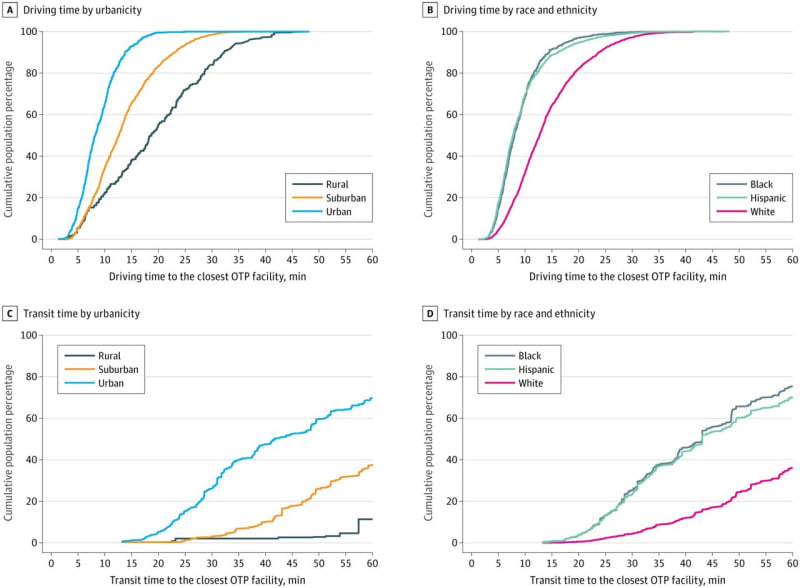
The findings are stark but actionable. In urban areas, getting to the nearest clinic by bus or train takes nearly 38 minutes on average, compared to just 7 minutes by car. More than half of the neighborhoods studied had limited or no public transit options to treatment centers at all.
Dr. Benjamin Howell, the study's lead author and assistant professor at Yale School of Medicine, says ignoring public transit access means ignoring the people who need help most. Many patients receiving methadone must visit clinics daily, making reliable transportation essential for staying alive.
Here's why this matters: methadone reduces overdose deaths and helps people stay in treatment. But only 1 in 5 people who could benefit actually receive these medications each year. Transportation barriers are a big reason why.
The research team used innovative mapping technology to analyze travel times alongside overdose death rates across Connecticut. This wasn't just academic exercise. The data creates a precise roadmap showing exactly where new clinics, better bus routes, or mobile treatment units would save the most lives.
The Bright Side
This study gives health officials something they've never had before: a clear picture of where gaps exist and how to fix them efficiently. Instead of guessing where resources are needed, Connecticut can now target public health funding to the neighborhoods where transportation barriers are greatest.
Dr. Gregg Gonsalves, senior author and Yale epidemiology professor, points out that many countries make methadone available through primary care doctors and even pharmacies. The research adds urgency to policy reforms that could make treatment as accessible as picking up a prescription.
The methodology is replicable too, meaning other states can use this approach to identify and fix their own access gaps. Virginia Tech professor Junghwan Kim, who co-authored the study, envisions these analyses helping communities nationwide target resources more effectively.
Connecticut now has the data to transform its addiction treatment infrastructure, potentially preventing hundreds of overdose deaths by simply making help easier to reach.
More Images
Based on reporting by Medical Xpress
This story was written by BrightWire based on verified news reports.
Spread the positivity!
Share this good news with someone who needs it