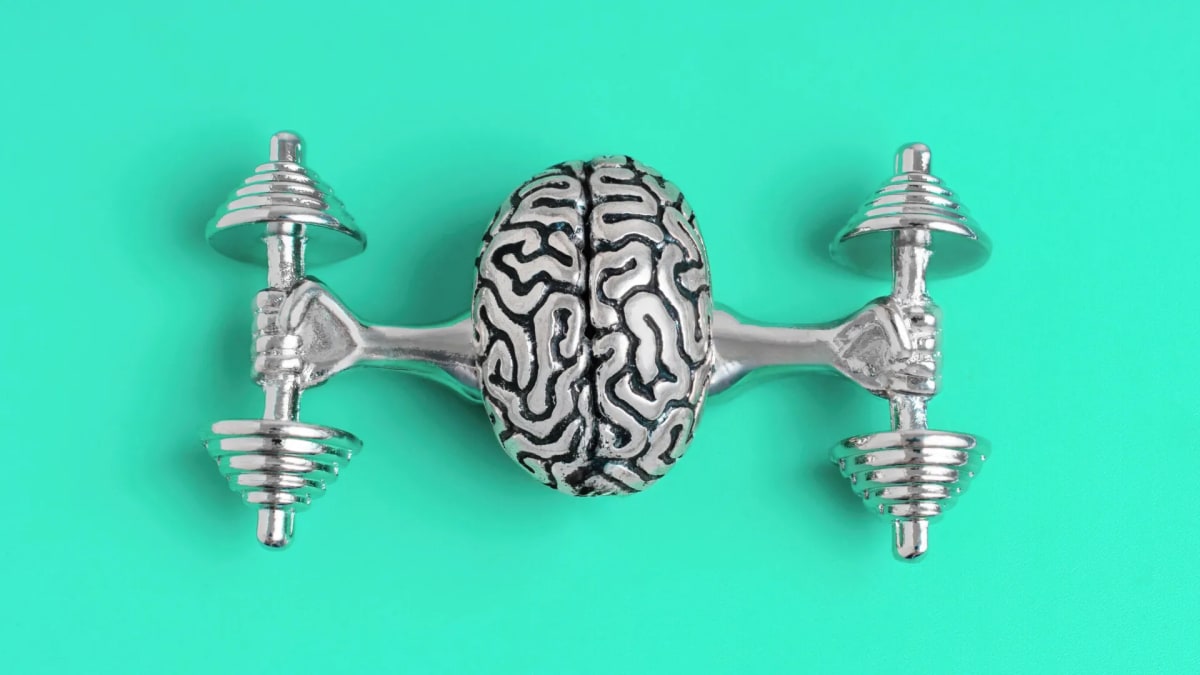
Yale Study Reveals How Ozempic Actually Burns Fat
Scientists discovered Ozempic works differently than everyone thought, recruiting hunger neurons to burn fat instead of just suppressing appetite. This breakthrough could lead to even better weight loss medications.
For years, doctors thought Ozempic worked by simply turning off hunger signals in the brain. Yale researchers just proved that theory wrong, and their discovery could change the future of obesity treatment.
Ozempic and similar GLP-1 drugs have transformed weight loss medicine, helping people shed 10 to 15% of their body weight or more. But these medications work far better than older appetite suppressants, and scientists couldn't explain why until now.
Yale neuroscience researcher Mateus d'Ávila and his team studied mice taking semaglutide, the active ingredient in Ozempic. They expected to find that the drug suppressed hunger neurons called AgRP neurons. Instead, they discovered something unexpected.
The drug actually activates these hunger neurons, not shuts them down. These same neurons that make you feel hungry also tell your body to burn stored fat during calorie deficits.
When the researchers removed AgRP neurons from mice, Ozempic stopped working. The mice couldn't maintain weight loss anymore, proving these hunger neurons are essential for the drug's success.
Using advanced imaging and molecular techniques, the team watched these neurons spring into action during treatment. The brain was adapting to the calorie deficit by recruiting its hunger circuitry to coordinate fat loss, similar to what happens during fasting.
This explains why Ozempic outperforms older weight loss drugs that suppress appetite just as well. The medication doesn't just reduce hunger. It triggers your brain's natural fat-burning response at the same time.
Why This Inspires
This discovery represents a major leap forward in understanding how our brains regulate weight. For decades, scientists assumed hunger neurons only worked against weight loss efforts, making them the enemy in the battle against obesity.
Now we know these same neurons can be allies when properly activated. It's a reminder that our bodies are more complex and adaptive than we often give them credit for.
The research opens doors for developing next-generation obesity treatments that could be even more effective or have fewer side effects. By understanding exactly which brain circuits matter, drug developers can design more targeted therapies.
While more research is needed to confirm these findings in humans, this breakthrough gives hope to millions struggling with obesity and offers scientists a clearer roadmap for creating better treatments that work with the brain's natural systems instead of against them.
More Images


Based on reporting by Google News - New Treatment
This story was written by BrightWire based on verified news reports.
Spread the positivity!
Share this good news with someone who needs it