Yellowstone's Bison Rebound From 25 to 5,000 in 100 Years
A century ago, Yellowstone's bison nearly vanished. Today, over 5,000 roam the park, and more than 600 have been transferred to help 29 tribes across America rebuild their own conservation herds.
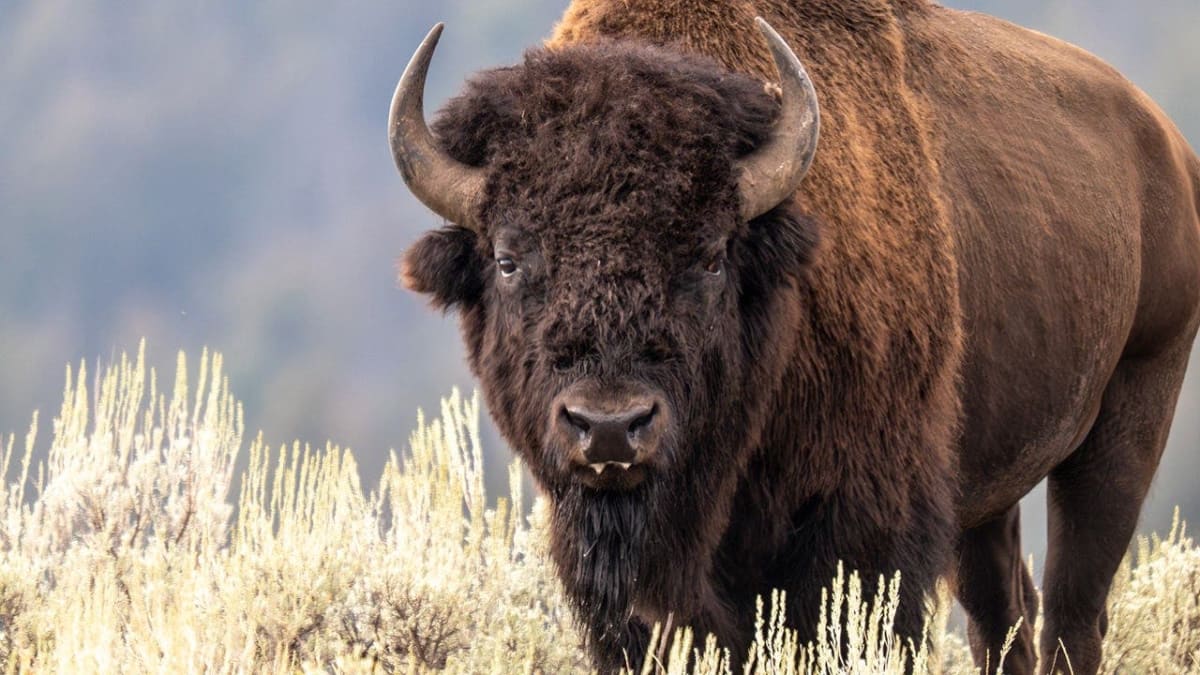
A hundred years ago, you could have counted Yellowstone's remaining wild bison on your fingers. Today, thousands thunder across the park in what officials are calling one of America's greatest conservation comebacks.
Jessica Bowron, acting director of the National Park Service, recently shared just how dramatic this turnaround has been. After millions of bison once roamed the Great Plains, the species was nearly erased from its historic range.
"To show up at Yellowstone today and have the experience as a visitor of seeing a wild bison in a functioning ecosystem, I don't know that we could have predicted that 100 years ago," Bowron said. That recovery took decades of careful scientific work and cooperation among federal, state, local, and tribal partners.
Now the challenge has completely flipped. Instead of fighting to save the species, wildlife managers are figuring out how to manage a thriving population that doesn't recognize park boundaries.
But here's where the story gets even better. Yellowstone's success is helping rebuild bison populations far beyond Wyoming.
The Ripple Effect
Through the Bison Conservation Transfer Program, Yellowstone partners with tribes to relocate bison that have completed the necessary quarantine process. Since 2019, more than 600 bison have found new homes with 29 tribes across 13 states.
More than 200 were transferred in 2024 alone. "This is one of the coolest parts of this entire conservation effort," Bowron said.
Each tribe manages its herd according to its own priorities and sovereignty. Some are establishing brand new conservation herds, while others are expanding existing populations.
The work isn't finished. In some places, rebuilding bison populations remains the urgent goal, while Yellowstone focuses on managing the healthy herd it already has.
And those healthy numbers mean more opportunities to help tribes establish conservation herds of their own. What was once a species on the brink is now helping restore an animal deeply connected to tribal culture and history across multiple states.
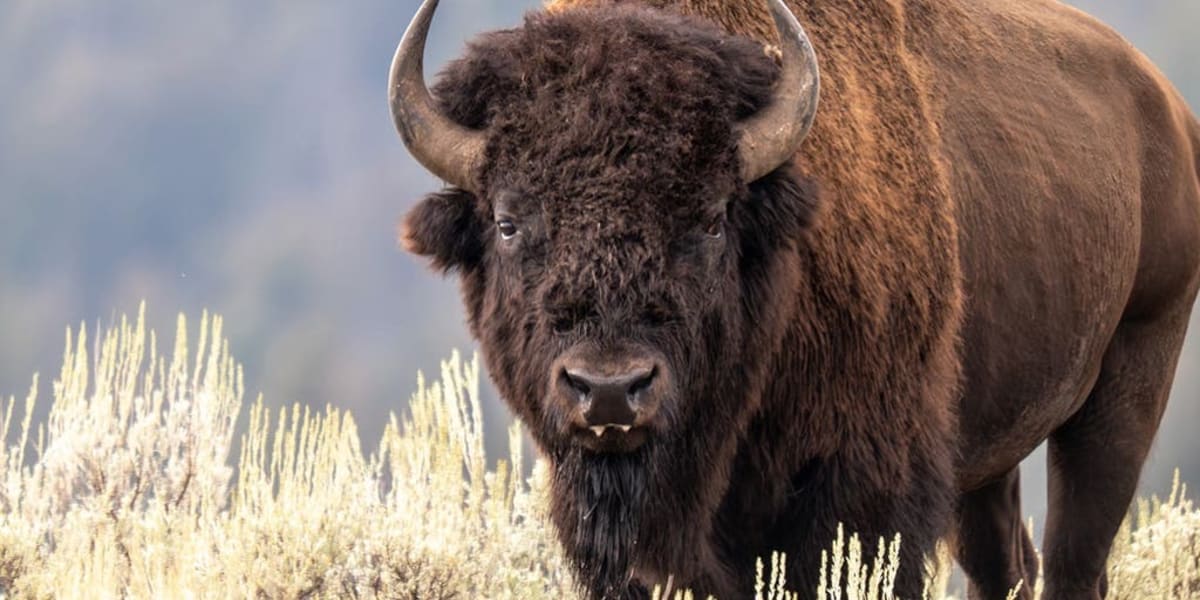
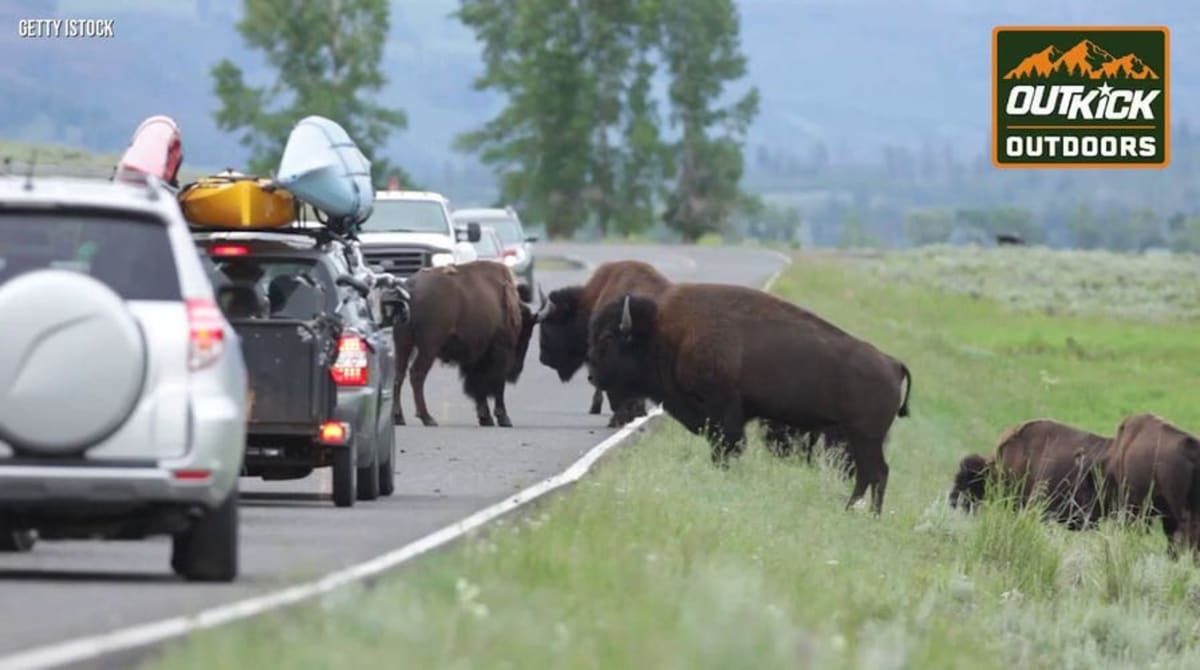
For anyone who's ever been stuck in Yellowstone traffic because a bison decided the road belonged to him, it's easy to forget how close we came to losing that experience entirely. Seeing bison wander through the park feels almost inevitable now, but a century ago, it looked impossible.
Conservation wins don't happen overnight, but when they do, they can change entire landscapes.
More Images
Based on reporting by Google News - Recovery Story
This story was written by BrightWire based on verified news reports.
Spread the positivity!
Share this good news with someone who needs it