Young African Leaders Chart New Development Path
New analysis reveals why some nations transform within a generation while others stagnate despite constant building. Young presidents in Senegal and Burkina Faso are joining proven strategies from Botswana, Singapore, and Malaysia.
What separates nations that transform from those that merely build? That's the question driving fresh optimism across Africa as new leaders study decades of success stories.
When Botswana gained independence in 1966, it ranked among the world's poorest countries. Yet through prudent management of diamond wealth and stable institutions, it achieved over 7% GDP growth for decades. The lesson wasn't just about natural resources but about converting them into lasting public investment.
Singapore's transformation was even more dramatic. Without diamonds or natural resources, the island nation faced unemployment and housing shortages in 1965. Under consistent long-term planning, manufacturing became the growth engine, achieving full employment by the early 1970s. The country didn't just build roads; it built a productive economy around them.
Malaysia followed a similar path, transforming from agricultural dependence into a manufacturing powerhouse. Between 1961 and 2023, income per capita grew 7.3% annually as the country became a major exporter of electrical goods and components.
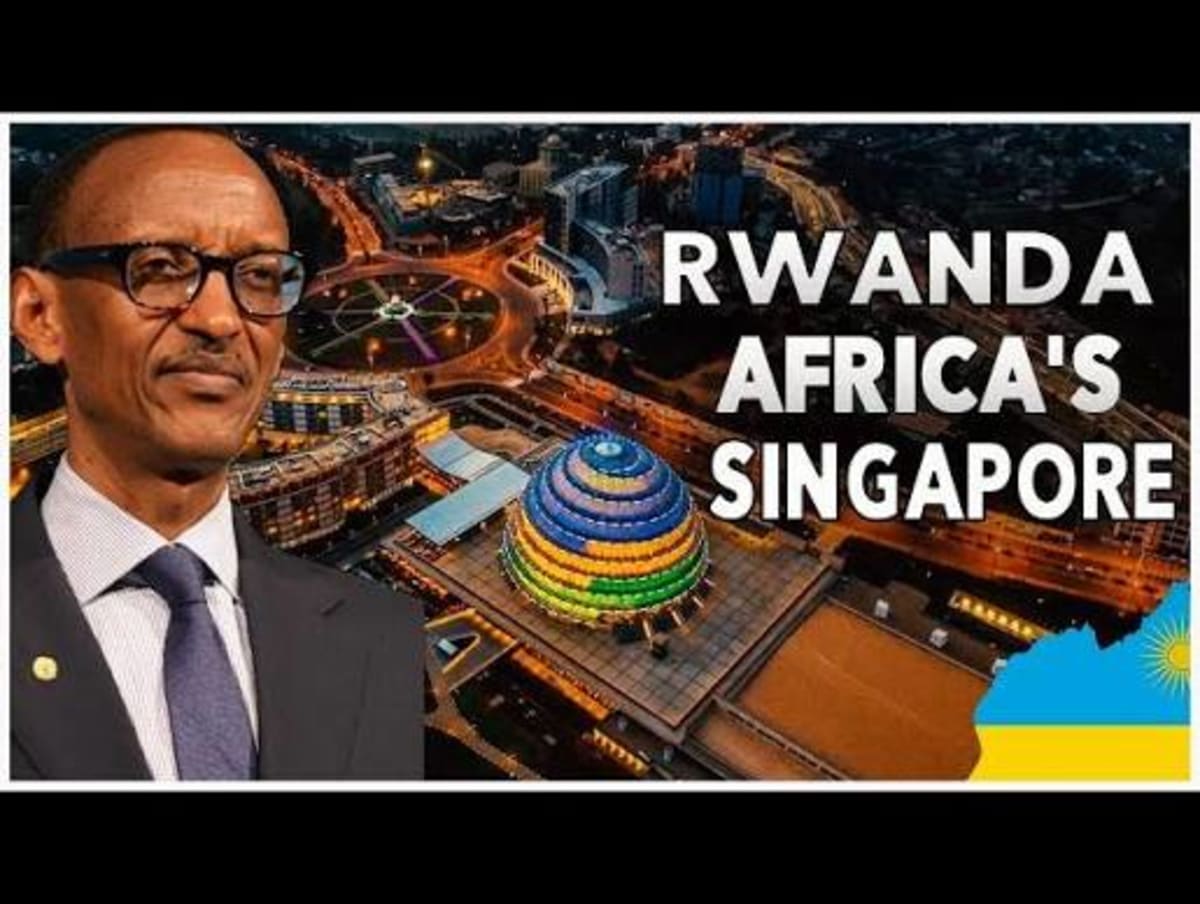
Rwanda's recent progress shows these principles still work today. Despite facing extraordinary challenges, the country has pursued development as a unified national project rather than scattered initiatives.
The Ripple Effect
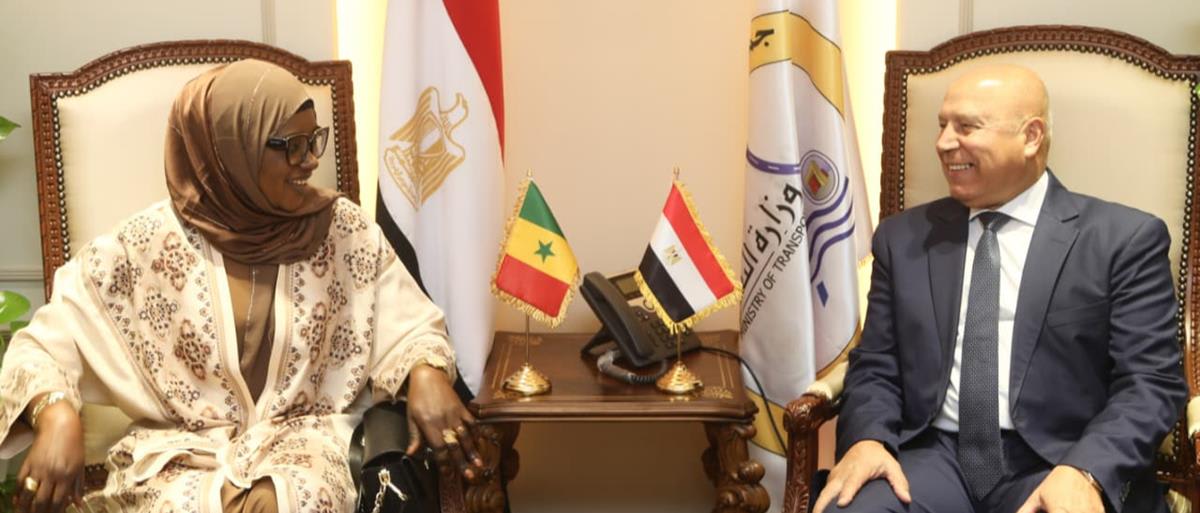
Now younger leaders are applying these lessons in real time. Senegal's President Bassirou Diomaye Faye and Burkina Faso's Ibrahim Traoré are rethinking how their nations manage natural resources and foreign partnerships. While too early to declare success, their focus on systematic transformation over piecemeal projects signals a promising shift.
The common thread across successful nations isn't political system or resource wealth. It's treating development as a continuous national project with stable institutions, long-term planning, and policy consistency. Countries that transformed didn't just announce projects; they built productive economies that created jobs and opportunities for their citizens.
Ghana entered independence with significant development momentum and natural resources. The question now inspiring across Africa: Can the proven strategies from Botswana to Singapore guide the next generation toward genuine transformation?
These success stories prove that dramatic national transformation remains possible within a single generation when leaders prioritize systematic development over short-term wins.
More Images


Based on reporting by Google News - Ghana Development
This story was written by BrightWire based on verified news reports.
Spread the positivity!
Share this good news with someone who needs it