Young Africans Lead Forest Innovation Across Continent
Young people across Africa are transforming forest conservation through tech-driven solutions and green businesses, despite facing major barriers. A new report reveals their growing impact and calls for stronger support to unlock their potential.
Across Africa, a generation of young innovators is proving that forest conservation and economic opportunity can grow together.
New research from the AfricanYouth4Forests initiative found that young Africans are already leading the charge in sustainable forestry. They're running ecotourism ventures, planting trees, managing agroforestry farms, and using cutting-edge technology to monitor forest health. The initiative brings together the African Forest Forum, Sweden's University of Agricultural Sciences, and Kenya's forestry research experts to empower people aged 18 to 30.
The numbers tell an encouraging story. In Ghana alone, more than 9,000 young people now work in cocoa-based agroforestry systems that blend shade trees with climate-smart farming. This approach boosts biodiversity while creating reliable income.
Technology is opening new doors too. Young Africans are using drones, satellite mapping, and mobile apps to track forest changes, plan restoration projects, and report environmental data. When they combine these digital tools with traditional knowledge, they create smarter, more inclusive conservation systems.
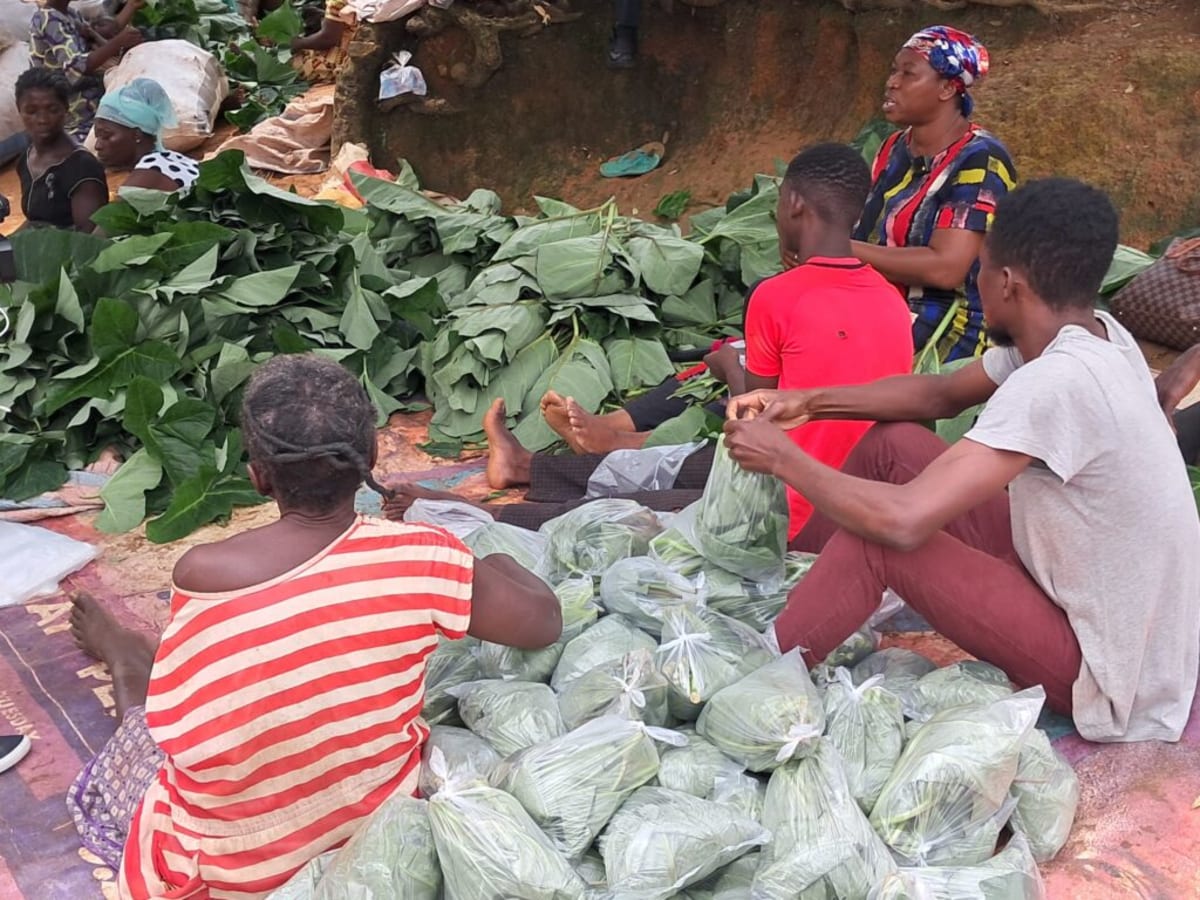
In Kenya, youth-led businesses are turning waste into energy and forest-friendly products, creating green jobs while protecting trees. Cameroon and Morocco are seeing similar wins through ecotourism projects that employ young people and inspire communities to care for their forests.
The research doesn't hide the challenges. Many young people struggle to access land because traditional systems favor older generations. Affordable financing remains scarce, and broken supply chains limit their ability to reach markets. Young women face additional hurdles, including limited access to leadership roles and resources.
Despite these barriers, young participants from across Africa gathered at workshops in Kenya and Cameroon this year. They shared successes in mangrove restoration, bamboo enterprises, honey production, and tech-driven conservation.
The Ripple Effect
These young forest champions created a Combined Youth Declaration that reimagines their role. Instead of waiting on the sidelines, they're positioning themselves as leaders and entrepreneurs who deserve a seat at the decision-making table.
The declaration calls for real changes: more youth voices in forest policy, better access to green financing, stronger environmental education, and support for youth-run businesses. It emphasizes that Africa's green economy needs young innovators to succeed.
Researchers say the potential is enormous. Young Africans have the energy, creativity, and commitment to become powerful stewards of the continent's forests. They just need the right policies, funding, training, and governance reforms to scale their impact.
From bamboo value chains to beekeeping, from circular bioeconomy ventures to community-led restoration projects, young people are showing what's possible when passion meets opportunity.
Africa's forests are in capable hands, and the future is looking greener than ever.
Based on reporting by Myjoyonline Ghana
This story was written by BrightWire based on verified news reports.
Spread the positivity!
Share this good news with someone who needs it