Tasmania Landowner Rewrites Conservation Playbook
A retired landowner on Bruny Island is proving that science and Indigenous fire practices can work together to protect endangered species. His 134-hectare property is becoming a blueprint for conservation on private land.
When Paul Davis bought a beachside property called Fairyland in 2002, he didn't just get 134 hectares of Tasmanian coastline. He inherited nesting colonies of little penguins and shearwaters, wetlands teeming with life, and a mission he couldn't ignore.
"The place demands looking after and demands good conservation," says Davis about his property on Bruny Island's narrow isthmus. Twenty years later, he's turned that feeling into action that's catching the attention of conservationists across Australia.
Davis assembled an unlikely team to help restore Fairyland: ecologists, Indigenous fire practitioners, nature finance experts, and volunteers. Together, they're tackling everything from feral cat control to replanting blue gum and white gum trees that were cleared generations ago for sheep farming.
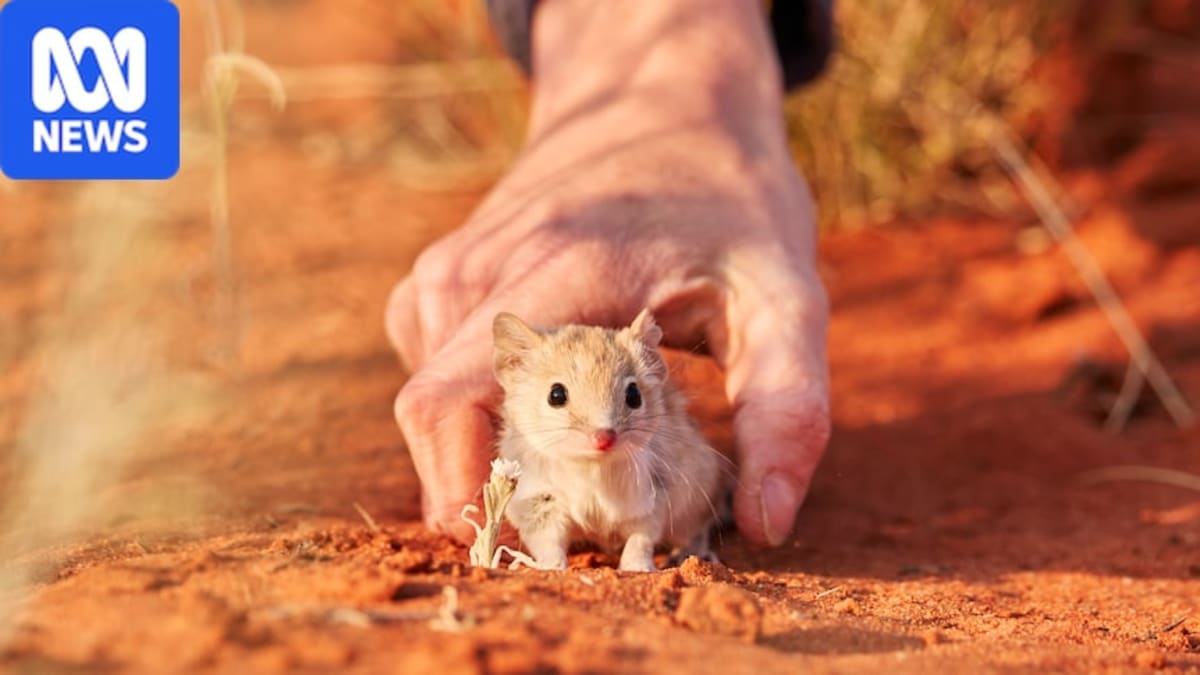
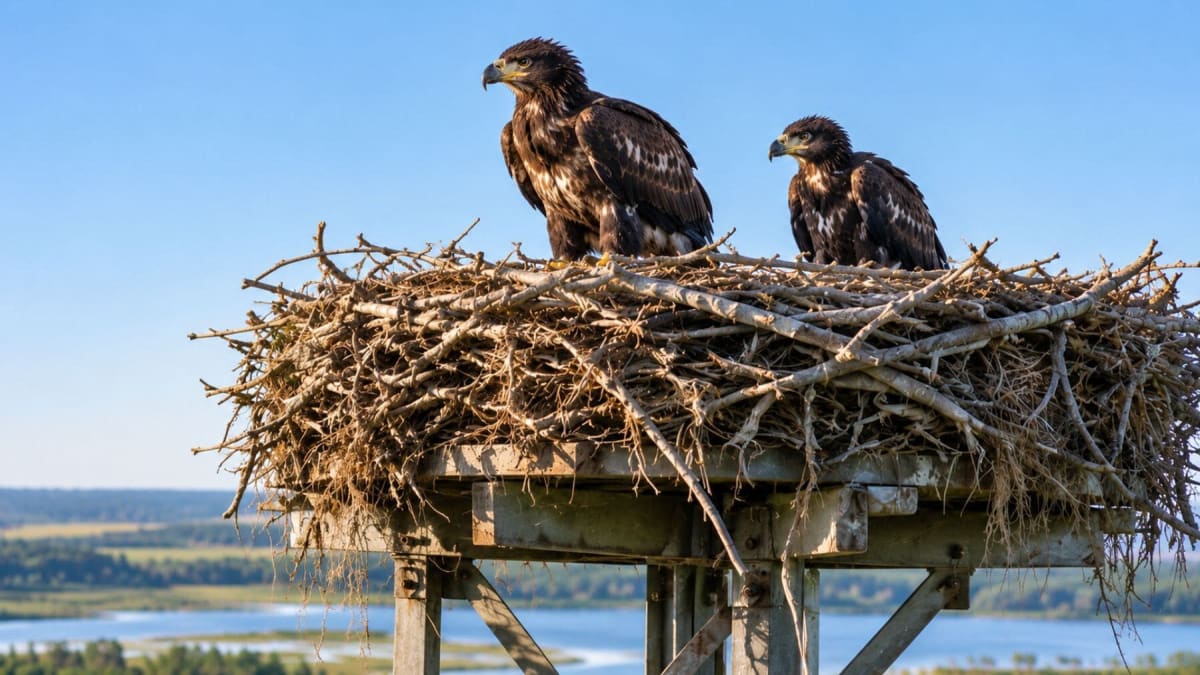
The property has become an "island ark" for threatened species. Wildlife cameras have captured endangered eastern quolls, swift parrots, and forty-spotted pardalotes, all species on the federal government's priority protection list.
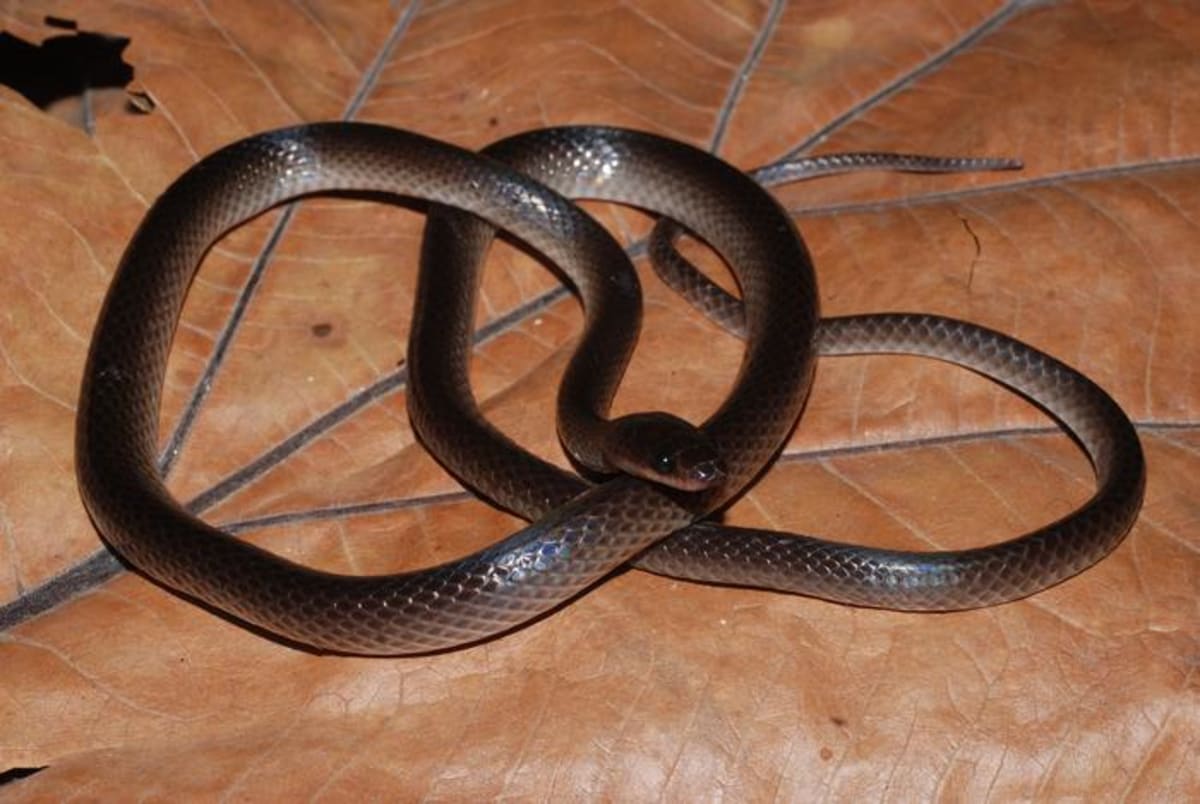
But perhaps the most significant work happens when Palawa cultural fire practitioner Jason Smith kneels to the ground and lights small, controlled patches of vegetation. These aren't the large prescribed burns that scorch earth and send wildlife fleeing. Smith creates single ignition points that give hundreds of insects, spiders, lizards, and snakes time to escape.
"We want to see that nice black ash," Smith explains. "If we've got all white ash, that's usually telling us there was too much fuel in there and it burnt too hot and there's no nutrients in that for the animals."
The cultural burning does double duty: it heals country using traditional knowledge and reduces wildfire risk on the isthmus, where a major fire could block the only ferry route off the island.
Ecologist Matt Taylor has spent a decade at Fairyland, using wildlife cameras and acoustic recorders to track both native species and invasive threats like cats, deer, and rabbits. He's now piloting a biodiversity credit framework to help small landowners like Davis access nature-based finance for conservation work.
Davis funded much of the restoration himself but is now retired. The new funding model could help other private landowners follow his lead without shouldering the entire financial burden.
The Ripple Effect
What started as one retiree's passion project is becoming a template for private conservation across Australia. Davis is actively sharing the methods being tested at Fairyland with other landholders, proving that combining Western science with Indigenous land management isn't just possible but powerful.
The property shows that protecting endangered species, preventing catastrophic fires, and honoring traditional practices can happen on the same patch of ground. That's a lesson worth spreading far beyond Bruny Island's shores.
More Images


Based on reporting by ABC Australia
This story was written by BrightWire based on verified news reports.
Spread the positivity!
Share this good news with someone who needs it