Youngest Moon Walker, 90, Cheers New NASA Artemis Mission
Charlie Duke walked on the Moon at 36—the youngest person ever. Now 90, he's cheering as NASA prepares to send astronauts back for the first time in over 50 years.
The youngest person to ever walk on the Moon is watching history prepare to repeat itself, and he couldn't be more thrilled.
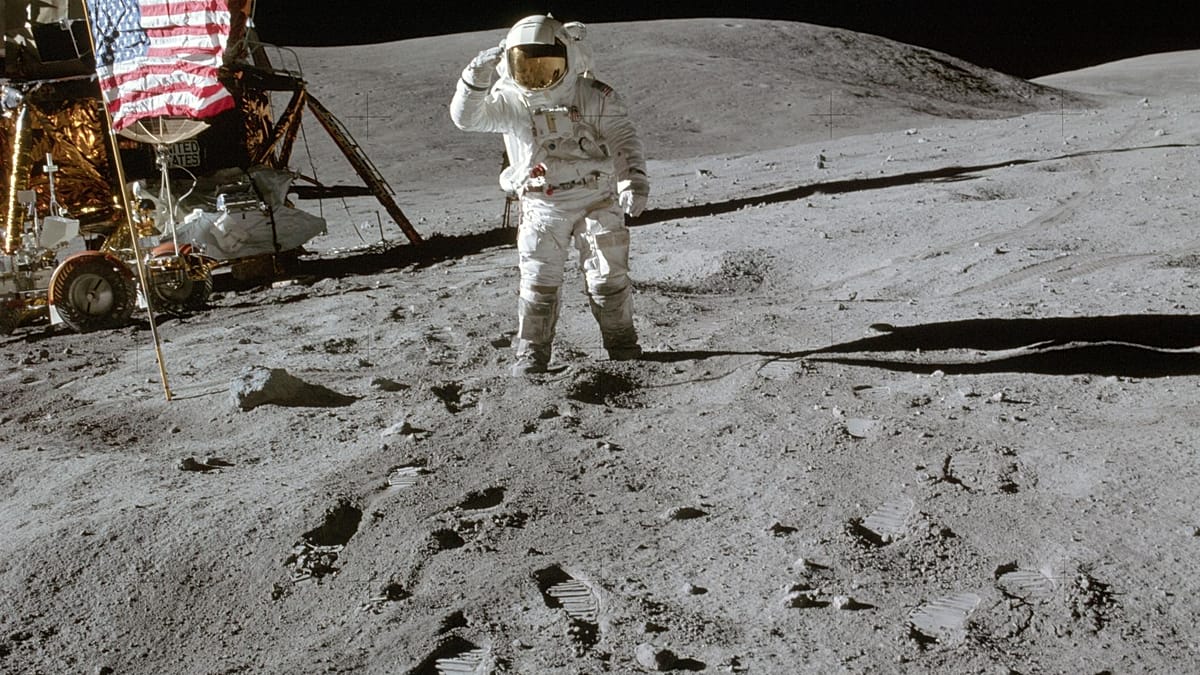
Charlie Duke was just 36 when he stepped onto the lunar surface as pilot for Apollo 16 in 1972. Now 90 years old, he's eagerly awaiting Wednesday's launch of NASA's Artemis II mission, which will mark humanity's return to the Moon after more than half a century.
"I'm excited about that, finally getting going on Artemis," Duke said. "I think it's gonna be a great programme."
Between 1968 and 1972, NASA sent 24 astronauts to the Moon, and twelve walked on its surface. Then the missions stopped, leaving an entire generation without witnessing this incredible human achievement firsthand.
That's part of what makes Duke so enthusiastic about Artemis II. "Half the world's population weren't even born when we were Apollo," he noted, seeing the mission as a powerful motivational tool for young people everywhere.
The Artemis II crew won't land on the Moon during this flight. Instead, they'll venture even deeper into space than the original Apollo astronauts, traveling roughly 393,000 kilometers from Earth before looping around the Moon and heading home.
"I'm all for it and I'm all behind them and cheering them on," Duke said. "They'll be able to see the whole backside of the Moon."
The mission was originally scheduled for earlier this year, but fuel leaks and other technical issues with the Space Launch System rocket caused delays. NASA fixed hydrogen fuel leaks in February, but a helium flow problem required bringing the rocket back for repairs, pushing the launch to April.
Why This Inspires
Duke sees Artemis II as more than just a technical achievement. For young people around the world, watching astronauts return to the Moon could spark the same sense of wonder and possibility that the Apollo missions created decades ago.
The new Space Launch System rocket stands 98 meters tall at Kennedy Space Center's Launch Complex 39B, producing even more thrust than the legendary Saturn V rockets that powered the Apollo missions.
NASA's vision extends beyond this single flight. The space agency plans to establish a sustained human presence on the Moon, complete with habitats, rovers, and infrastructure, all serving as a stepping stone for eventual missions to Mars.
If all goes according to plan, NASA aims to land two astronauts on the lunar surface by 2028 as part of the broader Artemis program. After more than 50 years, humanity is finally going back.
More Images



Based on reporting by Euronews
This story was written by BrightWire based on verified news reports.
Spread the positivity!
Share this good news with someone who needs it