Your Brain's Language Skills Stay Sharp as You Age
MIT researchers discovered that older adults' language networks show almost no decline, even as other brain functions weaken with age. The finding reveals why vocabulary and communication skills often improve throughout life.
Getting older doesn't mean losing your way with words, and now scientists know exactly why.
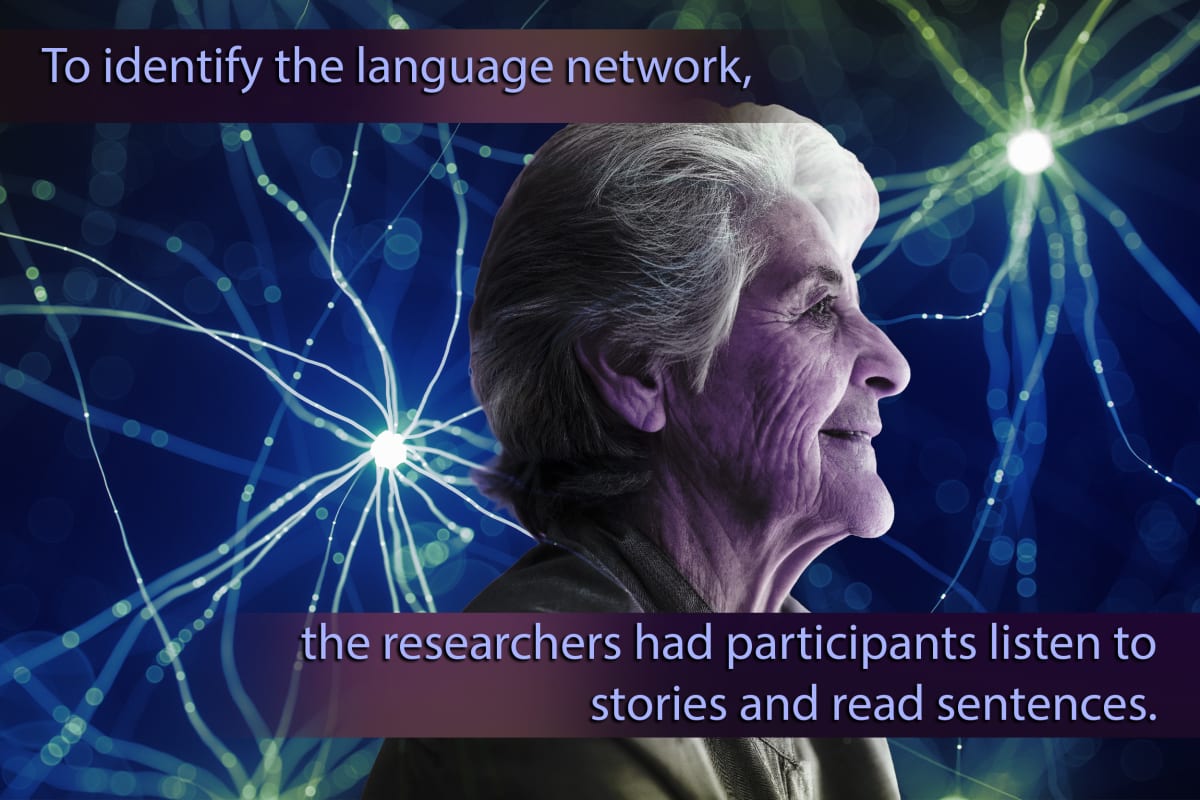
Researchers at MIT and Boston University scanned the brains of adults ranging from age 17 to 80 and found something remarkable. The brain's language processing network looks nearly identical in older adults as it does in younger people, even while other cognitive abilities decline.
"In the language network, we couldn't find any differences between older and younger groups," says Anne Billot, lead author of the study published in Nature Communications. Her team compared how different brain networks respond to aging and found a striking contrast.
The multiple demand network, which handles problem-solving, working memory, and decision-making, showed clear signs of aging. In older adults, this network became smaller, less synchronized, and less active overall. These changes align with the well-known decline in executive functions that many people experience as they age.
But the language network told a completely different story. Older adults processed language just as effectively as younger people, with similar brain activity levels and patterns. When researchers presented participants with unusual grammar or unfamiliar words, both age groups showed the same heightened brain responses.
The study also debunked a popular theory among neuroscientists. Some had hypothesized that aging causes different brain networks to blur together, losing their specialized functions. The researchers found no evidence of this happening with the language network.
Why This Inspires
This research helps explain why many people continue expanding their vocabulary well into their later years. Unlike general-purpose brain networks that wear down with time, specialized systems like language processing maintain their strength and precision.
The findings suggest that brains built for specific tasks may be naturally more resilient to aging. While you might occasionally forget where you put your keys, the words to express that frustration will likely stay with you for life.
For the millions of older adults worried about cognitive decline, this study offers genuine reassurance. Your ability to communicate, understand, and connect through language appears to be one skill that time cannot easily take away.
The discovery opens new questions about how we might protect other brain functions by understanding what makes the language network so durable.
Based on reporting by MIT News
This story was written by BrightWire based on verified news reports.
Spread the positivity!
Share this good news with someone who needs it