Your Brain's Surprise Response Actually Helps You Learn Better
Scientists at Brown University discovered that the burst of arousal you feel when surprised isn't random. It's your brain's smart way of switching gears to learn and adapt to new situations.
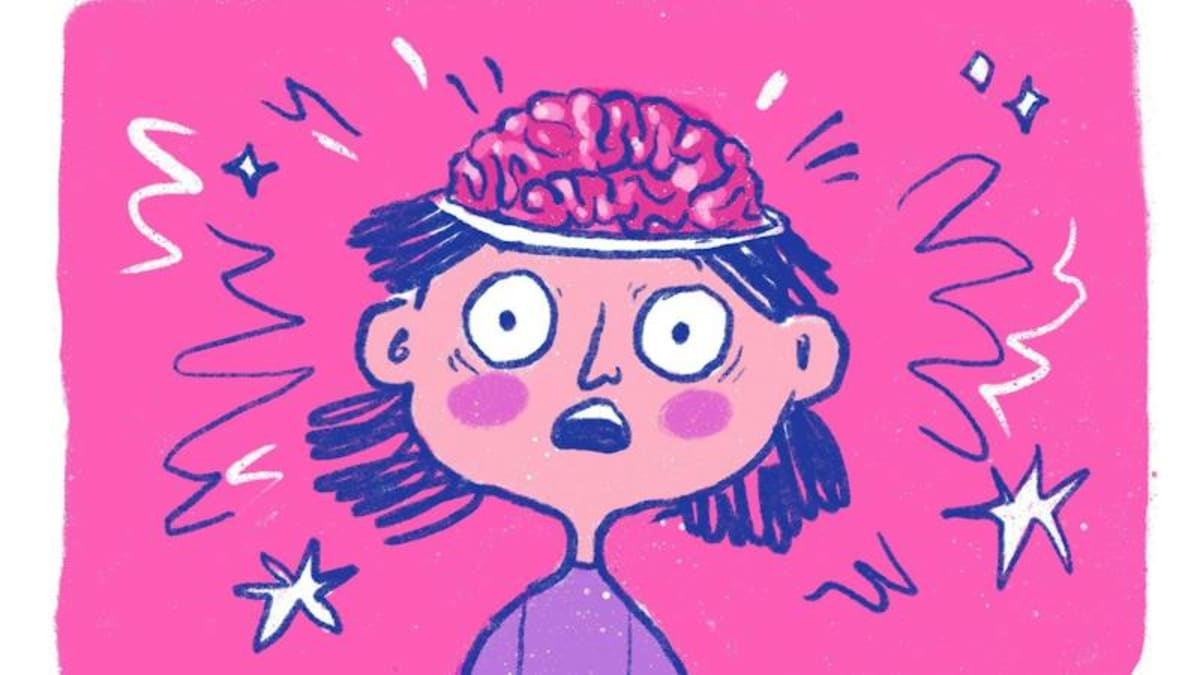
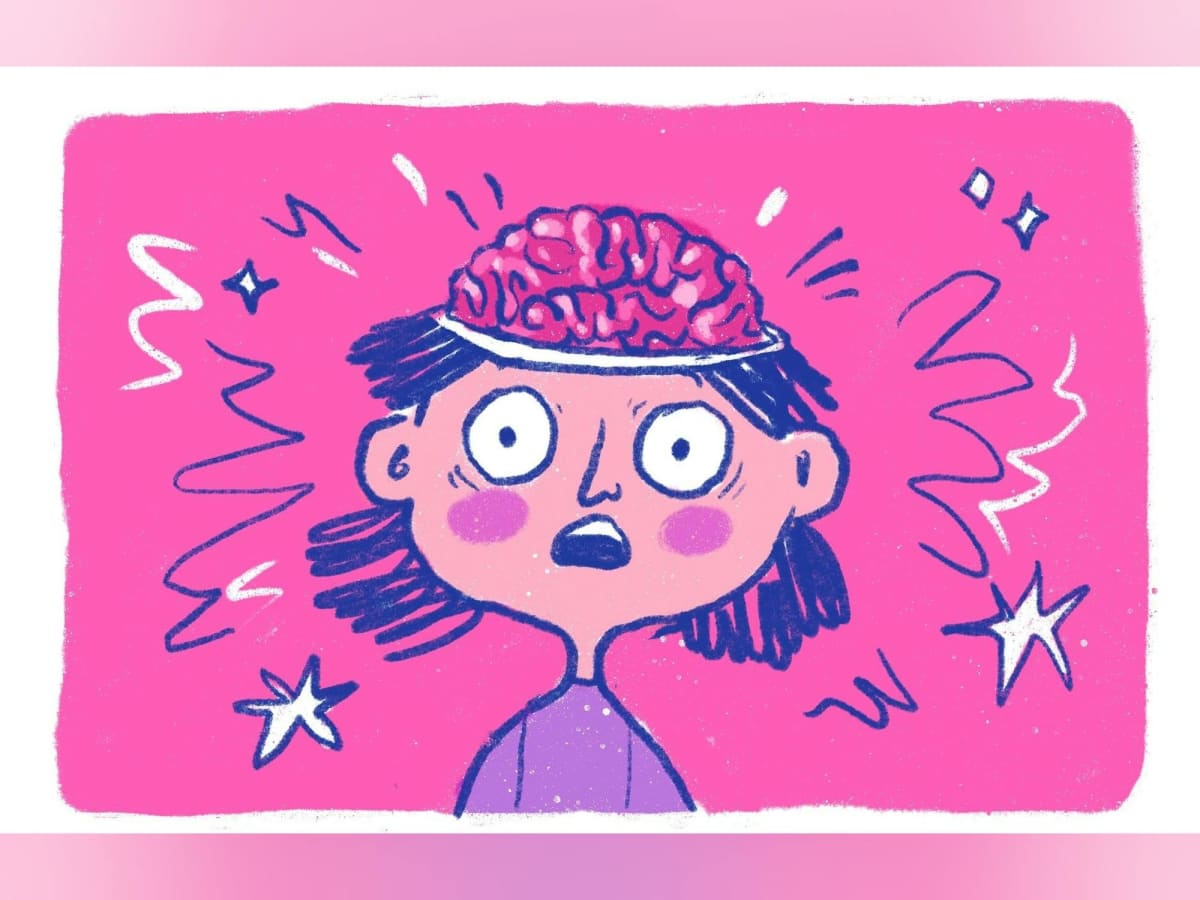
That jolt you feel when something catches you off guard might be one of your brain's smartest tricks for learning.
Researchers at Brown University just figured out why our brains go into high alert when we're surprised. That sudden spike in attention isn't just a reaction. It's actually your brain hitting the reset button so you can learn something new.
Tiantian Li, the study's lead researcher, explains it like ordering your favorite soup at a restaurant. Your brain builds a mental model based on past experiences: how it usually tastes, how long it takes, what the portions look like. Small differences from day to day barely register.
But when the soup tastes drastically different, your brain suddenly pays attention. That moment of surprise triggers arousal, which tells your brain to consider a new possibility. Maybe the regular chef called in sick, or maybe they quit for good.
The researchers studied 63 people using brain wave technology and pupil measurements. When pupils dilate, it shows the brain entering that aroused state. Participants looked at colored patches and had to predict what colors would come next, allowing scientists to measure how surprise affected learning.
The team discovered something fascinating. When changes were likely to last (like a chef quitting permanently), the arousal response boosted learning. When changes were temporary (like a chef being sick one day), it reduced learning. Your brain automatically adjusts how much it learns based on whether the surprise signals a lasting change.
Harry Marble, the study's other lead author, noted they observed multiple arousal signals, including a brain wave called P300 that appears during surprise. These markers helped confirm that arousal wasn't random. It was pointing behavior in specific directions depending on what the environment demanded.
Why This Inspires
This research reveals something beautiful about how our minds work. Your brain isn't just passively recording information. It's constantly deciding what matters, what to remember, and when to adapt.
Professor Matthew Nassar explains that arousal systems help the brain reset its mental context, creating fresh baselines for new learning. It's like wiping the slate clean when the rules change.
Joshua Gold, a neuroscience professor at the University of Pennsylvania, points out this type of research distinguishes biological brains from artificial ones. It might explain cognitive abilities that even impressive machines still can't match.
Understanding how surprise enhances learning could eventually help diagnose and treat cognitive disorders. But for now, it's a reminder that your brain is remarkably equipped to handle an unpredictable world, one surprise at a time.
More Images


Based on reporting by Google News - Researchers Find
This story was written by BrightWire based on verified news reports.
Spread the positivity!
Share this good news with someone who needs it