Your EV Could Earn You €900 While You Sleep
Electric cars are getting a powerful upgrade that lets them power your home during blackouts and earn money by feeding electricity back to the grid. By 2026, some drivers could make up to €900 annually just by plugging in overnight.
Imagine your car paying you while it sits in the driveway overnight. That future is arriving this year for electric vehicle owners across Europe.
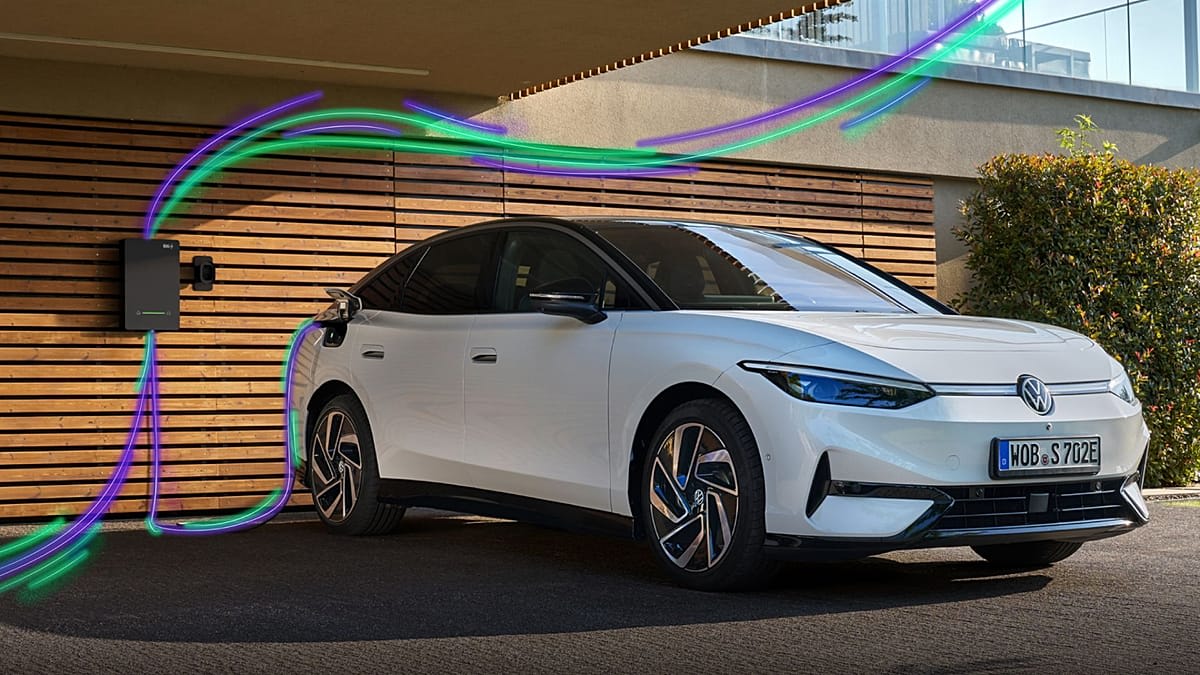
A wave of automakers is launching technology that turns EVs into moneymaking power banks. Volkswagen is opening pre-orders in Germany for a system that could earn drivers €700 to €900 per year by automatically selling stored electricity back to the grid when prices peak.
The concept is called vehicle-to-grid, or V2G. When your EV charges overnight during low-demand hours, it stores cheap renewable energy. During peak hours, that power flows back to the grid, and you get paid.
Nissan is rolling out affordable bidirectional charging in the UK this year before expanding across Europe. Mercedes-Benz, Kia, and Hyundai are launching similar programs. In the UK, BYD has already partnered with Octopus Energy to let drivers export power and pocket the profits.
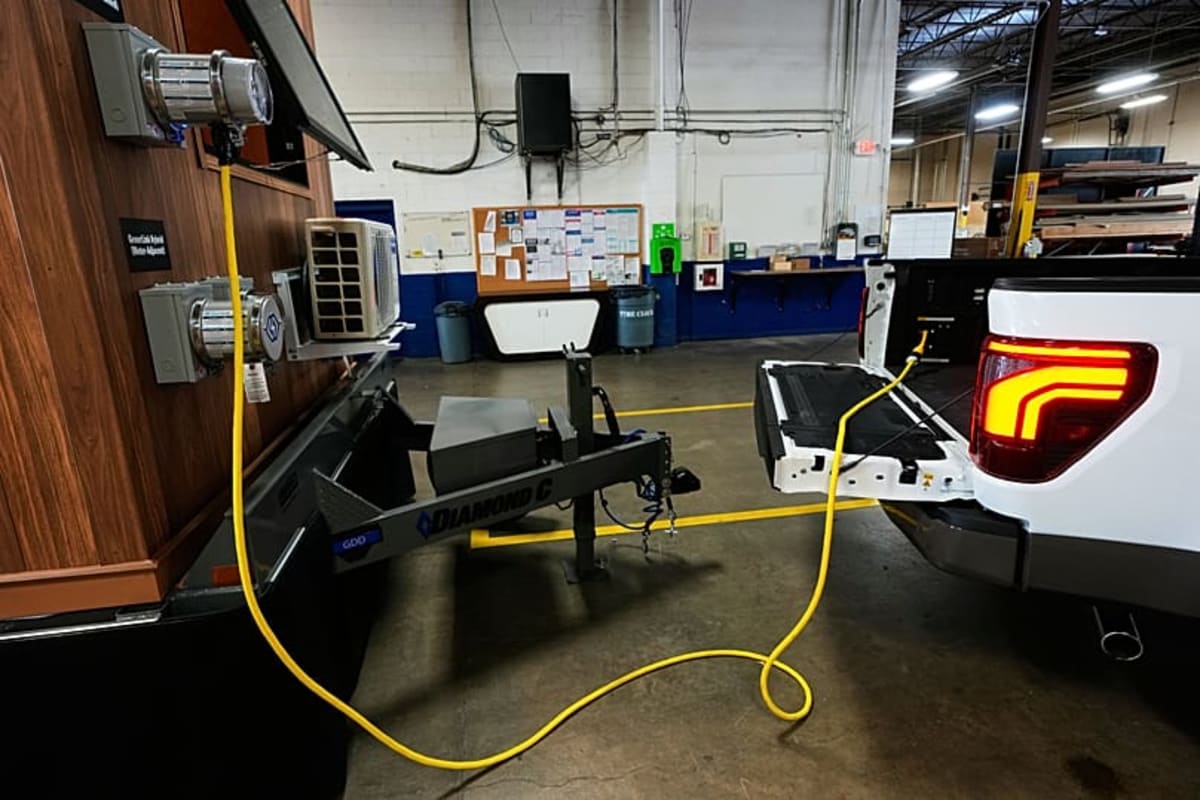
The technology solves more than just your electricity bill. As extreme weather strains power grids across Europe, these EVs double as backup generators during outages.
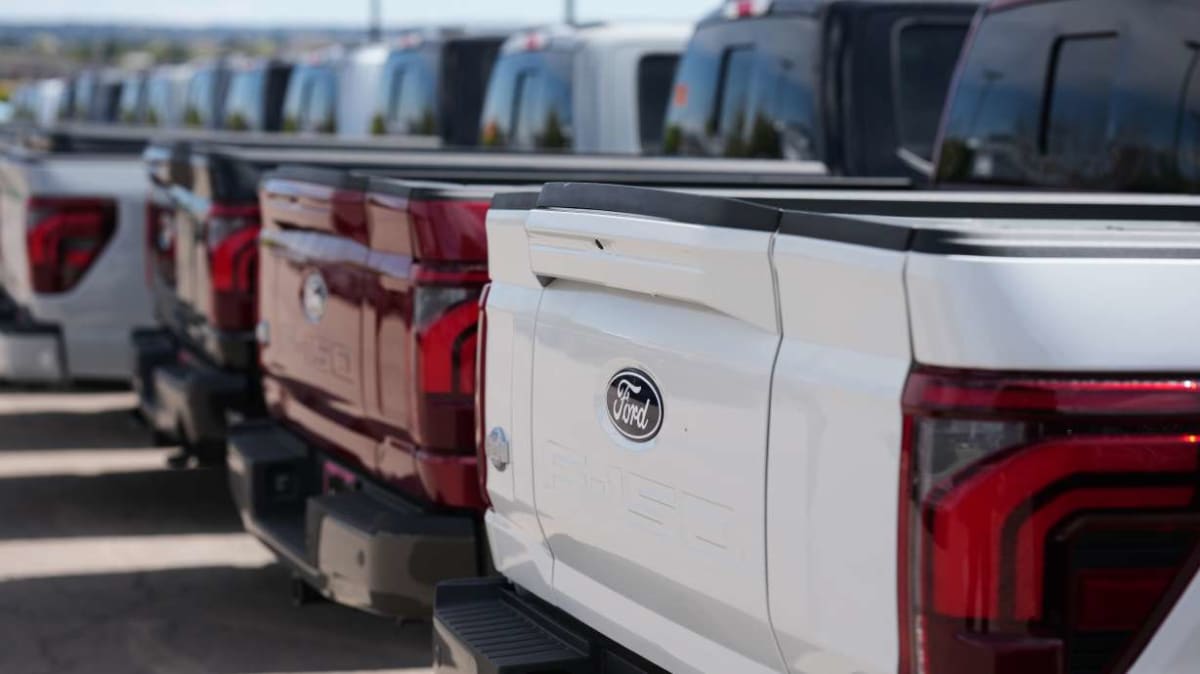
A fully charged EV battery can keep essential home systems running for days. Fridges stay cold. Medical equipment keeps working. Lights stay on. Ford's system in the US costs around €1,000 to install, far less than traditional backup generators.
The Ripple Effect
The benefits extend far beyond individual wallets. A widespread V2G system could save Europe up to €22 billion annually in energy costs by 2040, according to research from the Fraunhofer Society.
Germany wasted enough renewable electricity in 2024 to power three million EVs for a year because supply exceeded demand. V2G technology could capture that energy instead, storing it in millions of parked cars until it's needed.
"Electric mobility can only realize its full potential if it also makes economic sense for our customers," says Martin Sander, a Volkswagen board member. "With vehicle-to-grid, we are delivering exactly that."
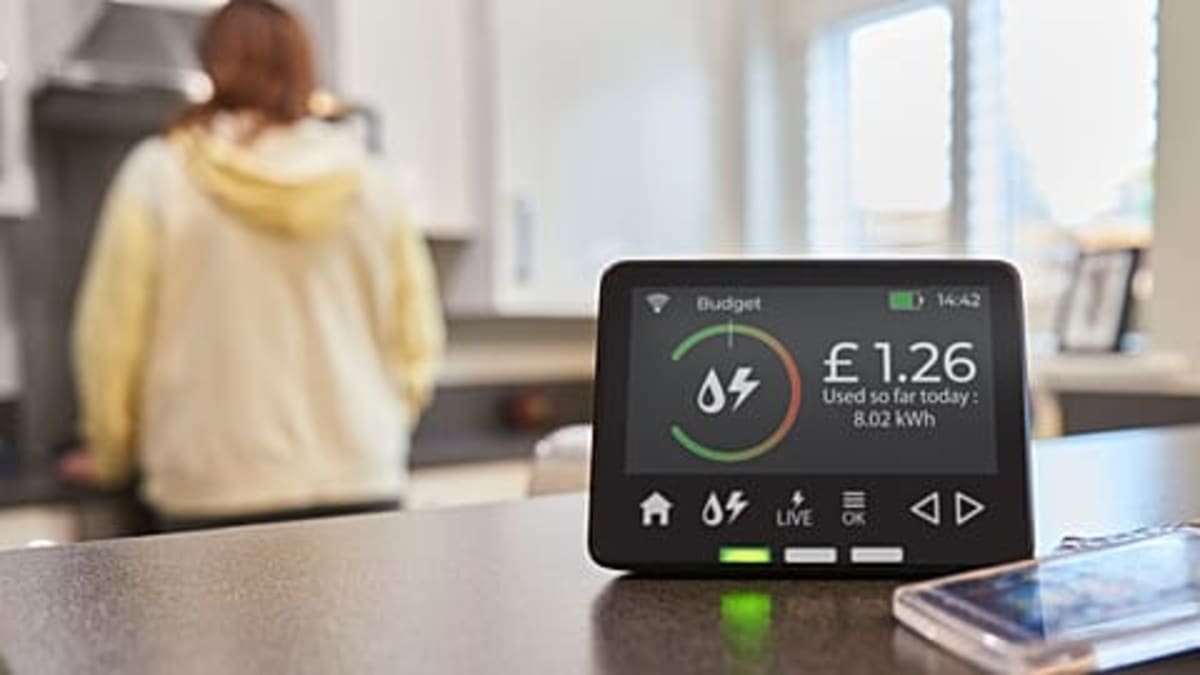
The technology isn't quite plug-and-play yet. Only certain EV models support bidirectional charging, and installation requires a smart meter and specialized charger. But as more automakers jump in, those barriers are falling fast.
For EV owners, the pitch is simple: your car can now help stabilize the grid, reduce renewable energy waste, and pad your bank account while you sleep.
More Images
Based on reporting by Euronews
This story was written by BrightWire based on verified news reports.
Spread the positivity!
Share this good news with someone who needs it