Your Electric Car Can Now Power Your Home During Blackouts
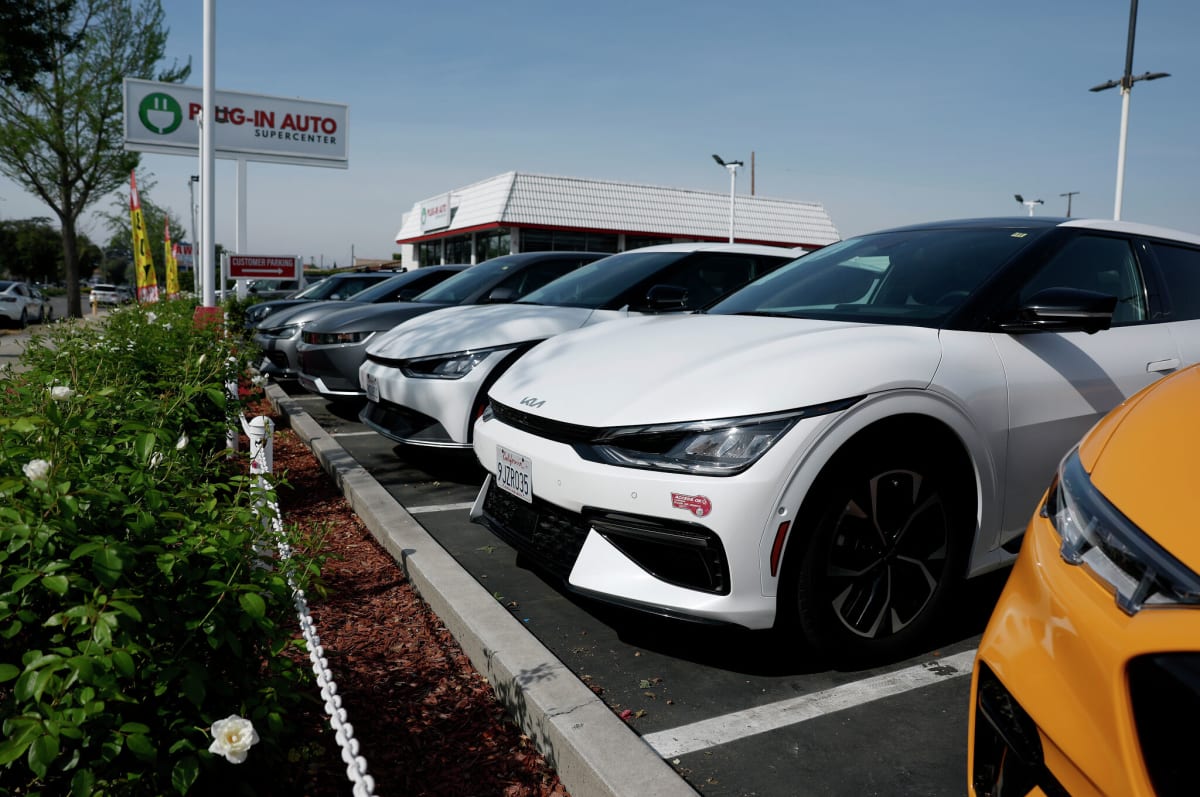
Major automakers are transforming electric vehicles into home backup generators, offering an affordable alternative to expensive standby power systems. Over 630,000 vehicles already have this capability, with Ford, Tesla, Kia, and GM rapidly expanding options.
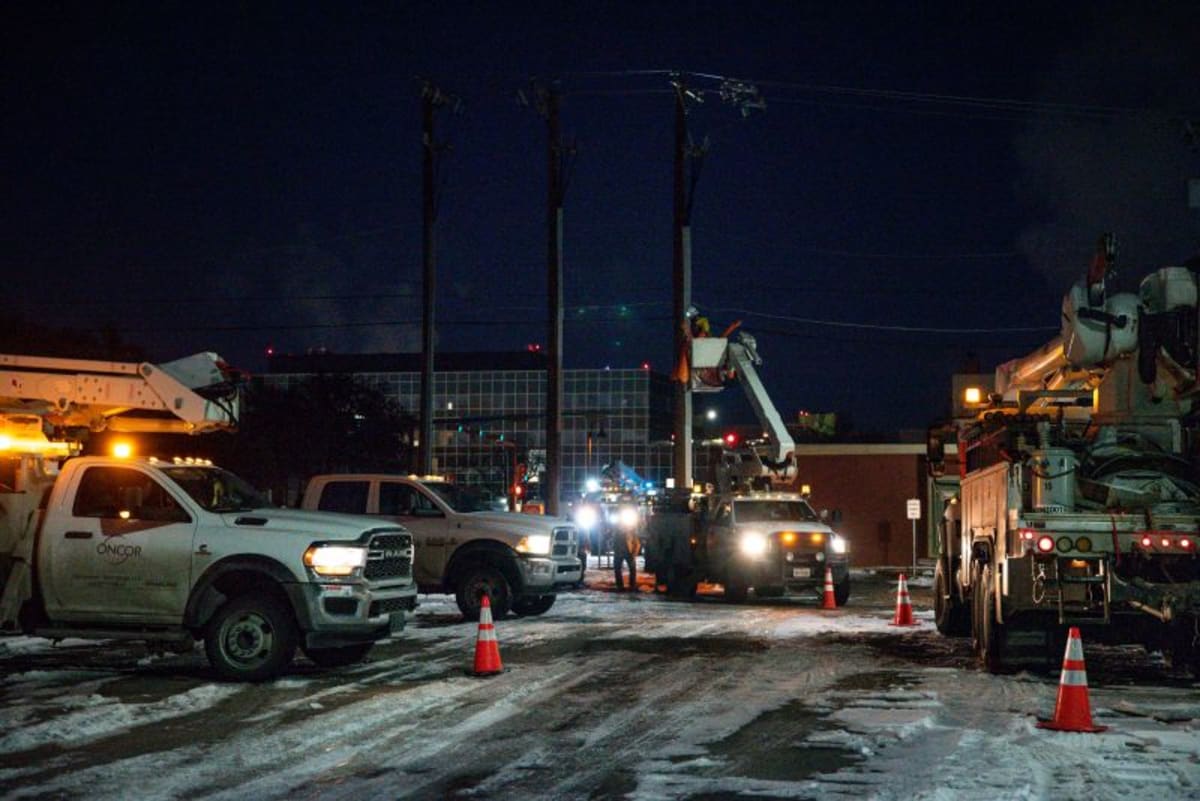
When Kenneth Kovar's Texas neighborhood weathered Winter Storm Uri in 2021, he couldn't flush his toilets normally and had to haul pool water inside. The 64-year-old from New Braunfels wasn't going to let that happen again.
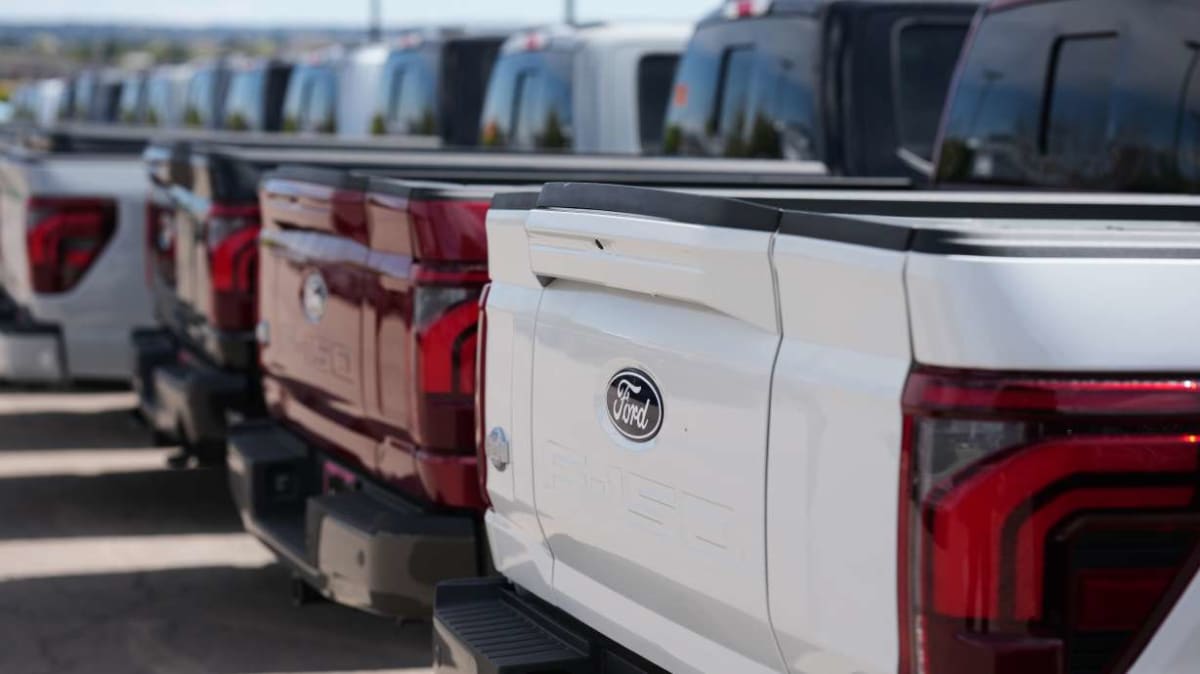
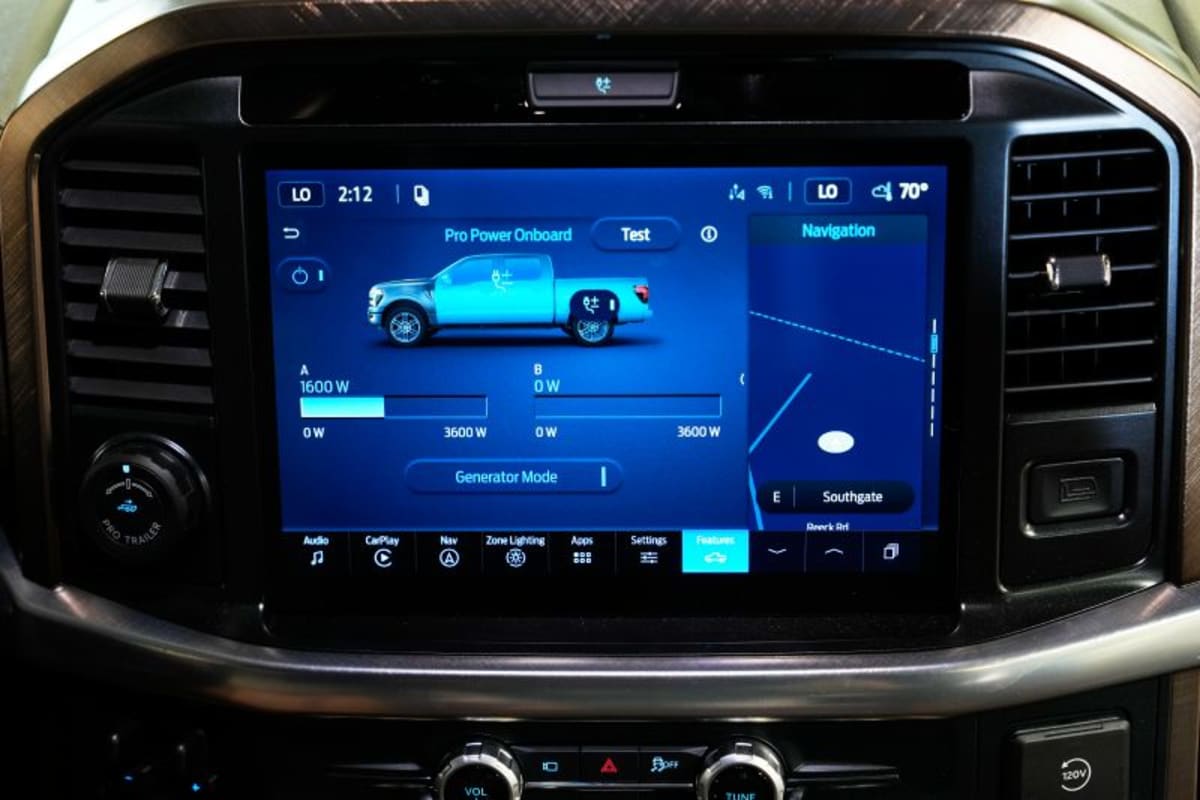
His solution arrived in the form of a Ford F-150 pickup truck. Now his vehicle doubles as a backup power source that plugs directly into his home's electric meter, ready to keep essential systems running when the grid goes down.
Ford just launched a new adapter system that lets owners of F-150 PowerBoost hybrids and F-150 Lightning electric trucks connect their vehicles to their homes for around $1,100. That's a fraction of what traditional diesel generators cost, which can run several thousand dollars plus installation.
The setup is refreshingly simple. Drivers plug a one-foot adapter into their truck's 240-volt outlet, connect it to a cable that runs to their electric meter, and flip breaker switches for whatever they want powered. An F-150 Lightning can run a home for two to three days, while the hybrid version lasts up to five days on a single tank of gas.
Ford isn't alone in this space. Tesla now offers vehicle-to-home capability for Cybertruck owners, while Kia partnered with charging company Wallbox to let drivers power their homes or even send electricity back to the grid. GM is testing similar technology that automatically kicks in when the power goes out.
Over 630,000 American vehicles already have this functionality, and that number is climbing fast. The timing makes sense as power outages increase nationwide and automakers search for new ways to make electric vehicles more appealing to buyers.
The Ripple Effect
This technology solves two problems at once. Homeowners get affordable backup power that's already sitting in their driveway, while electric utilities gain thousands of mobile batteries that can help stabilize the grid during peak demand.
The systems require professional installation and utility approval, which can take time. But early adopters like Kenneth Kovar prove the concept works, turning vehicles into lifelines when disaster strikes.
What started as a response to one brutal Texas winter is becoming standard equipment. Your next car might just be the most important appliance in your home.
More Images


Based on reporting by Google News - Electric Vehicle
This story was written by BrightWire based on verified news reports.
Spread the positivity!
Share this good news with someone who needs it