Youth Mental Health Programs Work When Kids Help Design Them
A groundbreaking guide reveals the 14 elements that make mental health programs actually work for young people of color. The secret? Let the kids lead.
Communities nationwide are finally cracking the code on youth mental health support, and the answer was right in front of them all along: ask the young people themselves.
A new guide released in August 2026 identifies 14 proven features that make mental health programs genuinely effective for young people of color. Developed by Kaleidoscope Pathways with funding from the Annie E. Casey Foundation, the research brings together voices often left out of the conversation: the youth who need these services and the community leaders who know them best.
The findings flip traditional mental health care on its head. Instead of treating young people as problems to fix, successful programs recognize their strengths and resilience. They see teenagers not as isolated patients but as whole people shaped by their families, cultures, and communities.
"The need to fund successful programs that center youth and those dedicated to supporting them has never been clearer," said Donna-Marie C. Winn, president and founder of Kaleidoscope Pathways. "The time is now. Our youth deserve it."
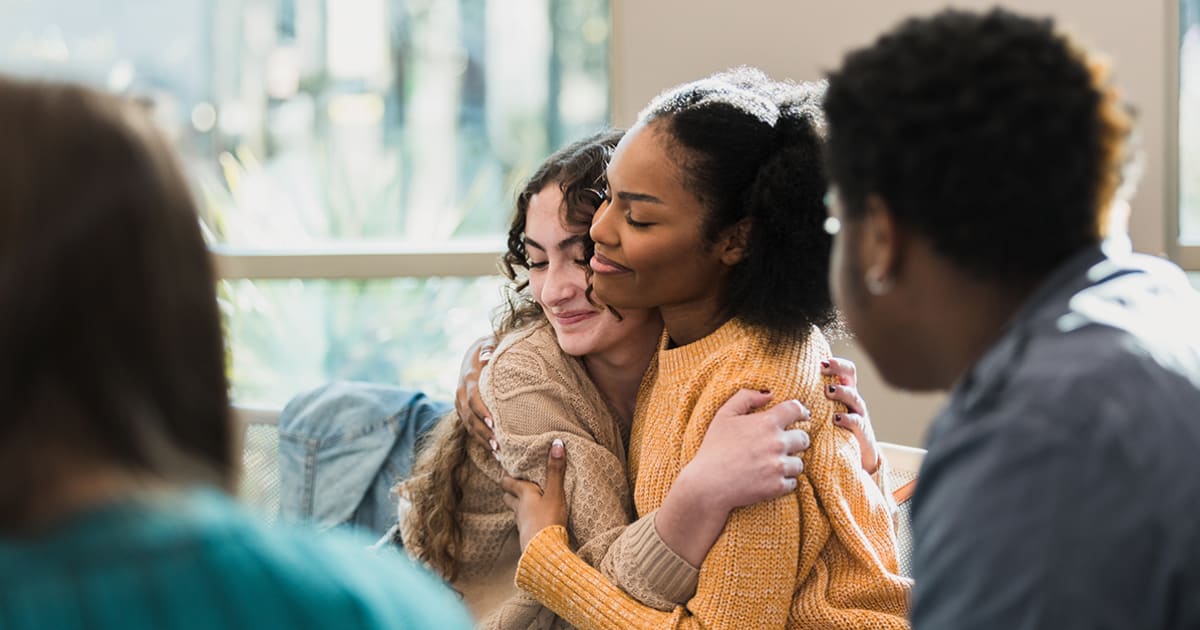
The most effective programs do something radical: they invite young people into the design process. These programs create safe spaces where teens can process stress and practice coping skills. They help youth build communication and self-advocacy abilities, not just sit through therapy sessions.
Cultural relevance matters enormously. Programs that incorporate elders and cultural traditions help strengthen identity and foster belonging. They recognize how race, gender, sexual orientation, and disability shape each young person's unique experience.
The Ripple Effect
When programs get it right, the impact extends far beyond individual therapy sessions. Families and caregivers become active partners, receiving relevant resources and support. Communities reclaim ownership of mental wellness, defining what healing looks like for their own young people.
Technology plays a supporting role, with online and mobile tools expanding access to youth who might never walk through a clinic door. Flexibility meets sustainability as programs adapt to different communities while planning for long-term impact.
Kimberly Spring, director of Research and Evaluation at Casey, emphasizes the power of combining community wisdom with research. "When programs do that, they are more likely to be relevant and sustainable and make a difference for young people," she said.
The guide includes a self-assessment tool that organizations can use to evaluate their current programs and identify opportunities for improvement. There's no single perfect model, but there are clear principles: ground efforts in community knowledge, design with youth input, and recognize strengths instead of deficits.
The message is spreading across the country as communities embrace this youth-centered approach to mental wellness.
More Images

Based on reporting by Google News - Mental Health Success
This story was written by BrightWire based on verified news reports.
Spread the positivity!
Share this good news with someone who needs it