Zimbabwe Stockpiles 450K Tons Grain After Record Harvest
After a devastating 2024 drought, Zimbabwe just harvested over 3 million tonnes of grain and is racing to fill emergency reserves before the next predicted dry season. The country's proactive approach to climate preparedness could protect millions from hunger.
Zimbabwe is turning this year's record grain harvest into a safety net for the future, rebuilding strategic reserves that could feed millions if drought returns in 2027.
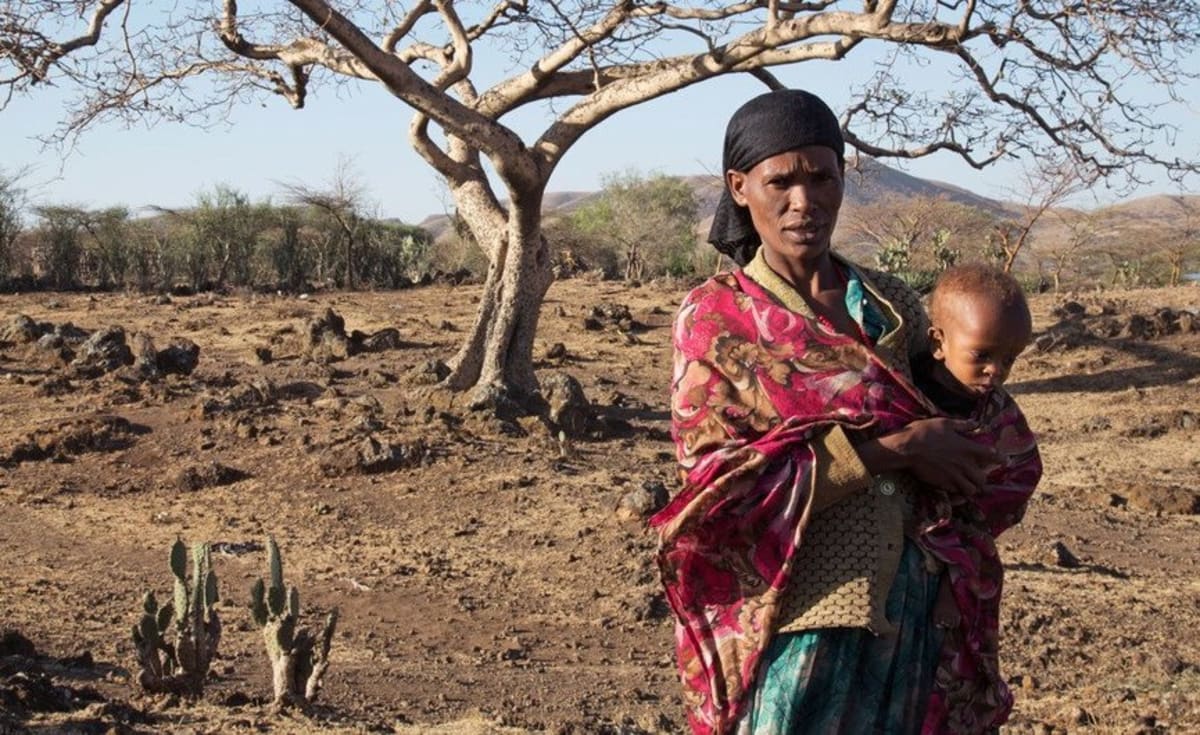
The country harvested just over 3 million metric tonnes of cereals this season, nearly 800,000 tonnes more than it needs for the year. That's a remarkable turnaround for a nation that just months ago was distributing emergency grain to 6.5 million people during a severe drought.
The government is now rushing to stockpile 450,000 metric tonnes of grain by year's end, preparing for a likely El Niño drought predicted for the 2026/27 farming season. Weather forecasters say there's nearly a 100% chance the climate pattern will strike Southern Africa again.
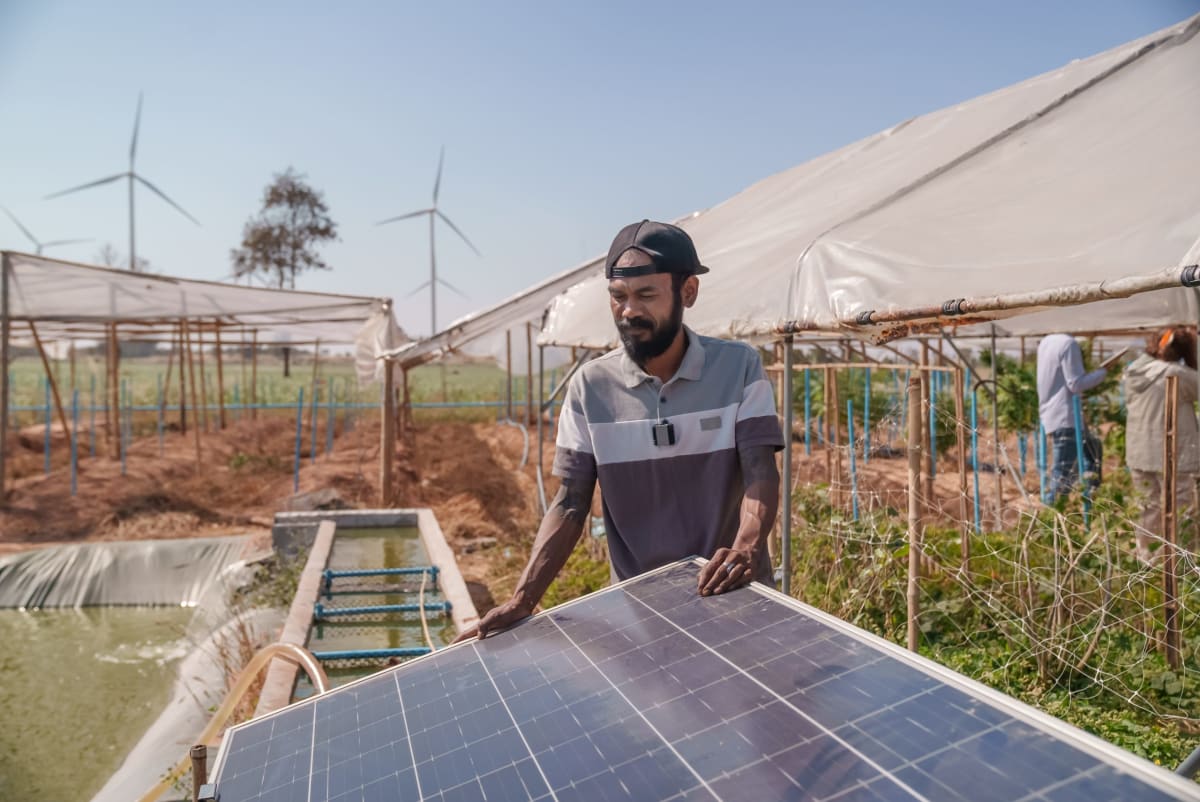
Agriculture Minister Anxious Masuka credits the bumper harvest to smart reforms: conservation farming techniques, expanded irrigation, modern machinery, and opening markets to private farmers. Grain deliveries jumped 68% compared to last year, with more than 422,000 metric tonnes already collected.
The Agricultural and Rural Development Authority now supplies 91% of the strategic reserves, a shift that's strengthened the entire system. As of late July, national grain stores held 239,000 metric tonnes and continue climbing toward the 450,000 tonne target.
Zimbabwe isn't just stocking grain, it's revolutionizing how it stores food. New silos powered by artificial intelligence can preserve grain for up to five years, and the country plans to build 1.5 million metric tonnes of storage capacity by 2030.
The new facilities will be strategically placed in areas most vulnerable to food shortages, ensuring help reaches communities quickly when harvests fail.
The Ripple Effect
This proactive approach represents a fundamental shift from crisis response to crisis prevention. During the 2024 drought, the government also distributed 33,000 metric tonnes to school feeding programs, keeping 4.5 million children nourished even as crops withered.
The current surplus puts Zimbabwe in a position of strength, able to protect its most vulnerable citizens before disaster strikes rather than scrambling afterward. The country's six-pillar drought strategy includes climate-smart agriculture, reducing food waste, new financing models for farmers, and improved early warning systems.
Regional meteorologists are still calculating how severe the predicted El Niño might be, but Zimbabwe isn't waiting to find out. With full grain stores and modern infrastructure, the nation is building resilience one harvest at a time.
Based on reporting by AllAfrica - Environment
This story was written by BrightWire based on verified news reports.
Spread the positivity!
Share this good news with someone who needs it