Zimbabwe's 250MW Floating Solar Plant Nears Launch
Zimbabwe is about to build one of Africa's largest floating solar installations on Lake Kariba, bringing clean energy to industries while protecting the country from droughts. The 250MW project will later expand to 600MW, offering a blueprint for other African nations facing power shortages.
A massive floating solar farm on Zimbabwe's Lake Kariba is moving from blueprint to reality, promising to reshape how the country powers its growing industries while adapting to climate change.
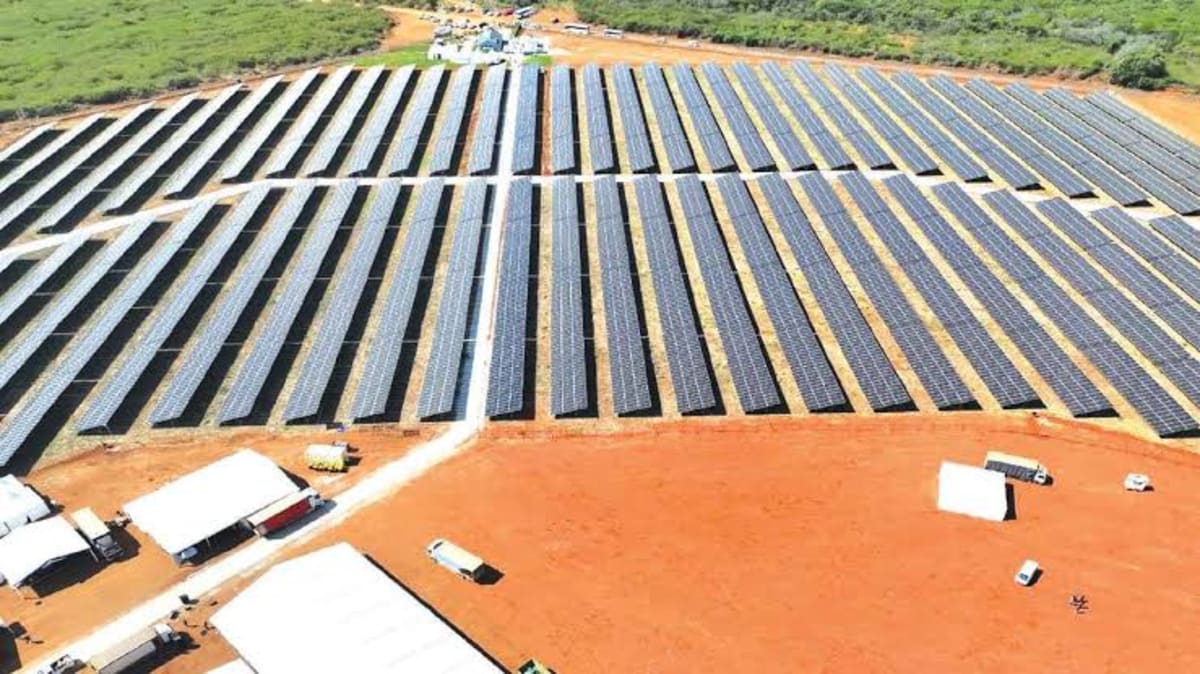
The Kariba Floating Solar Project will generate 250 megawatts of clean electricity initially, with plans to triple that capacity to 600MW over time. Developers expect to finalize funding later this year, clearing the path for construction on what could become one of Africa's largest floating solar installations.
Green Hybrid Power, a company formed by Zimbabwe's largest industrial energy users, is leading the project. The facility will supply electricity directly to mining and manufacturing companies while strengthening the national grid for everyone else.
The timing couldn't be better for Zimbabwe's struggling energy sector. The country has long relied on the Kariba Dam for hydropower, but severe droughts linked to climate change have repeatedly lowered water levels and forced power rationing that stalls factories and mines.
Floating solar panels offer an elegant solution to this problem. They generate electricity during sunny days, allowing precious reservoir water to be saved for when solar production drops. The water beneath the panels also keeps them cooler, making them more efficient than ground-based installations.
The project will avoid competing for farmland since it floats on an existing reservoir. Engineers say it will actually reduce water evaporation from the lake surface, a critical benefit as Southern Africa faces more frequent droughts.
Zimbabwe's mining sector stands to gain significantly from reliable electricity. The country produces gold, platinum, and lithium, a critical battery mineral in surging demand as electric vehicles and renewable energy storage expand worldwide. Consistent power supply means more minerals can be processed domestically rather than exported as raw materials.
The Ripple Effect
This project signals something larger for Africa. The continent's electricity demand is expected to more than double by 2040 as cities grow and economies develop, according to the International Energy Agency.
Floating solar technology remains rare in Africa compared to Asia and Europe, giving early adopters like Zimbabwe the chance to build expertise and demonstrate commercial viability. The African Export-Import Bank and other development lenders are supporting the Kariba project, showing growing appetite for financing clean energy infrastructure across the continent.
Other African nations watching Zimbabwe's progress could adapt the model to their own reservoirs and dams. Countries throughout Southern Africa have experienced similar power shortages when droughts reduced hydroelectric generation, forcing expensive electricity imports.
Zimbabwe is proving that climate vulnerability can spark climate solutions that work for industry, communities, and the environment at once.
More Images

Based on reporting by Google: clean energy investment
This story was written by BrightWire based on verified news reports.
Spread the positivity!
Share this good news with someone who needs it