Search

Find uplifting stories about heroes, innovations, and solutions

5 results for "computing innovation"

IBM and Illinois Partner on Quantum AI Supercomputing Hub
Innovation5d ago

IBM and Illinois Partner on Quantum AI Supercomputing Hub

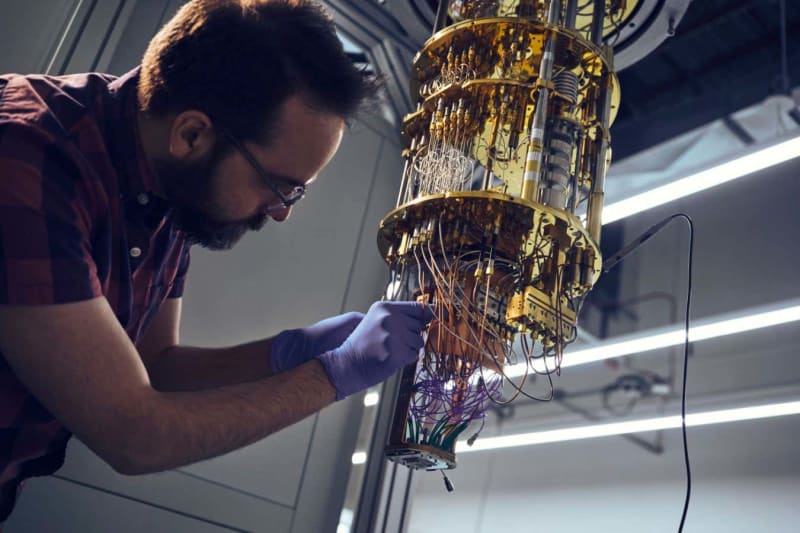
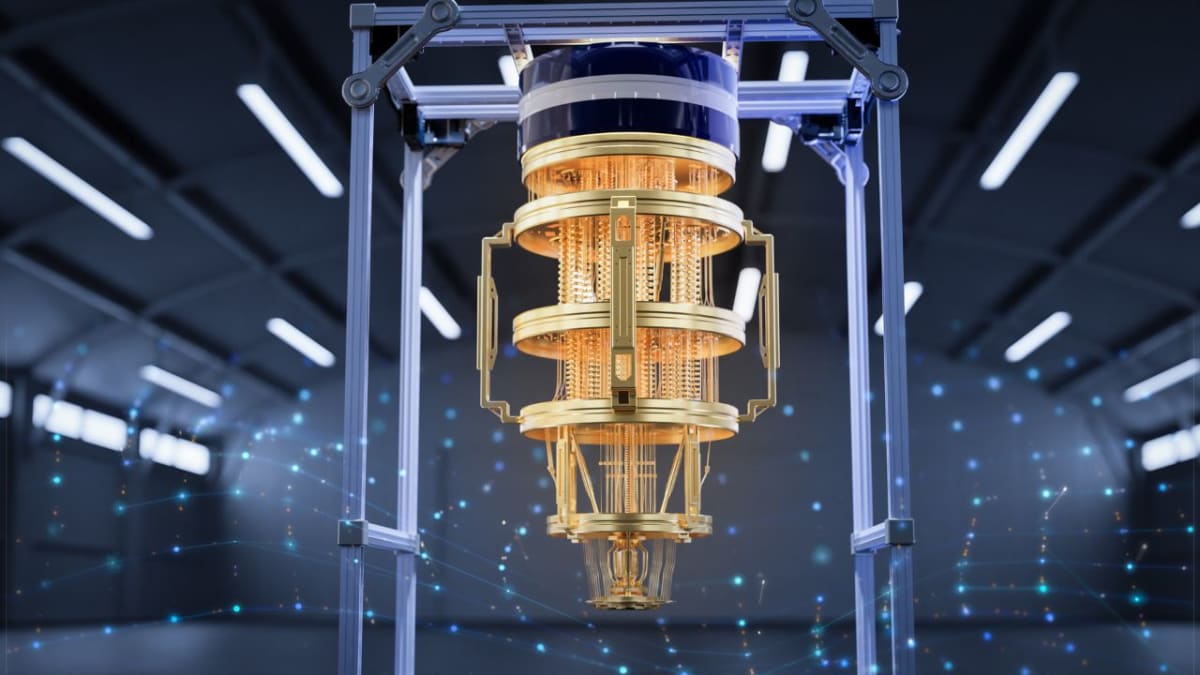
IBM and the University of Illinois are building the world's first quantum-centric supercomputer, merging quantum processors with traditional computing to solve problems beyond today's capabilities. The five-year expansion could position Illinois as a global leader in next-generation computing innovation.

Google: scientific discovery2 min read
Taiwan's Gigabyte Makes AI Supercomputers Greener, Cheaper
InnovationMar 10

Taiwan's Gigabyte Makes AI Supercomputers Greener, Cheaper

A Taiwanese tech giant is working to put powerful AI computing in everyone's hands while slashing the environmental cost. Their new approach could reshape how the world accesses artificial intelligence.

Euronews2 min read
Singapore Startup Solves Major AI Computing Bottleneck
InnovationFeb 27

Singapore Startup Solves Major AI Computing Bottleneck

A Singapore-based team has cracked a decades-old computing problem that's been slowing down AI systems worldwide. Their breakthrough technology just secured major backing from international investors betting on the future of artificial intelligence.

Google News - Singapore Technology2 min read
MIT Chip Uses Waste Heat to Compute, Cutting AI Energy Use
InnovationFeb 13

MIT Chip Uses Waste Heat to Compute, Cutting AI Energy Use

Scientists at MIT have designed silicon structures that turn waste heat into usable information, potentially making power-hungry AI systems far more energy efficient. The breakthrough could help computers process data using the heat they already produce instead of fighting against it.

Live Science3 min read
MIT Creates Chip That Computes Using Waste Heat, Not Power
InnovationJan 30

MIT Creates Chip That Computes Using Waste Heat, Not Power

Engineers at MIT have designed tiny silicon structures that perform calculations using excess heat instead of electricity, achieving 99% accuracy. This breakthrough could lead to more energy-efficient computers that turn waste into useful work.

Phys.org - Technology3 min read