
Science Says: Simple Tweaks Help You Love Exercise Again
Feeling too exhausted to work out? New expert guidance reveals easy fixes that turn fatigue into fitness energy. The secret isn't willpower—it's smarter timing and small habit shifts.
Find uplifting stories about heroes, innovations, and solutions
12069 results for "exercise science"
Feeling too exhausted to work out? New expert guidance reveals easy fixes that turn fatigue into fitness energy. The secret isn't willpower—it's smarter timing and small habit shifts.
New research using wearable fitness trackers shows that even tiny amounts of exercise deliver major health benefits. You don't need gym marathons to live longer.

A sports professor is debunking the biggest myths stopping older adults from exercising, and the science proves it's never too late to start. Regular movement can help you stay independent, healthy, and doing what you love for decades longer.

Scientists are calling for more collaborations between artists and researchers to rebuild public confidence in science. The strategy comes as funding cuts threaten research programs worldwide.

A major science organization is launching a digital series that shows how Earth science research translates into real solutions for communities worldwide. The series premiews in December 2026 and goes global in January 2027.
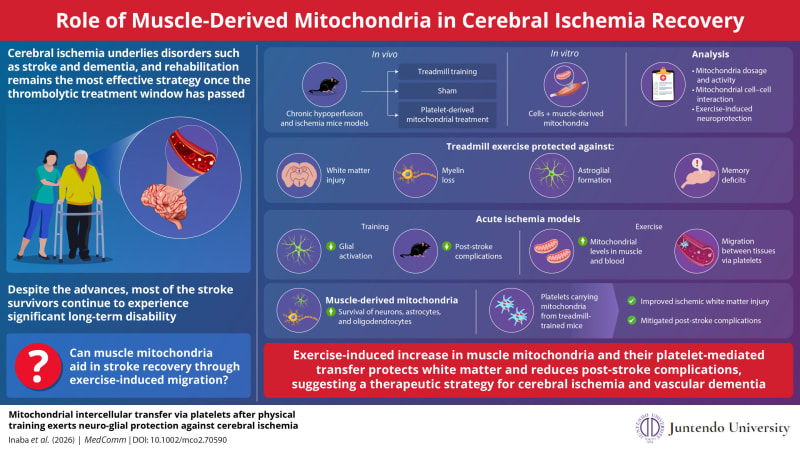
Scientists in Japan discovered that exercise triggers muscle cells to send healing mitochondria to damaged brain cells through the bloodstream, opening doors to new stroke treatments. This breakthrough could help elderly patients too frail to exercise benefit from mitochondrial transfusions.
Researchers discovered why muscles weaken with age and confirmed that exercise literally rewinds the process at a molecular level. The breakthrough could help millions maintain independence longer and aid those unable to exercise.

New research reveals exercise might not be the secret to rapid weight loss, but it's a powerful guardian against regaining those hard-won pounds. Scientists have uncovered why your workouts matter most after you hit your goal weight.

Over 900 Calgary students from Grade 5 to 12 are presenting their self-designed science experiments at the city's largest youth science fair this weekend. Two Grade 12 students developed a promising wound infection detector using red cabbage extract after a cooking accident sparked their curiosity.
Scientists discovered that just 10 minutes of vigorous exercise triggers blood changes that could help slow cancer cell progression. The small but promising study adds powerful new evidence to exercise's role in cancer prevention.
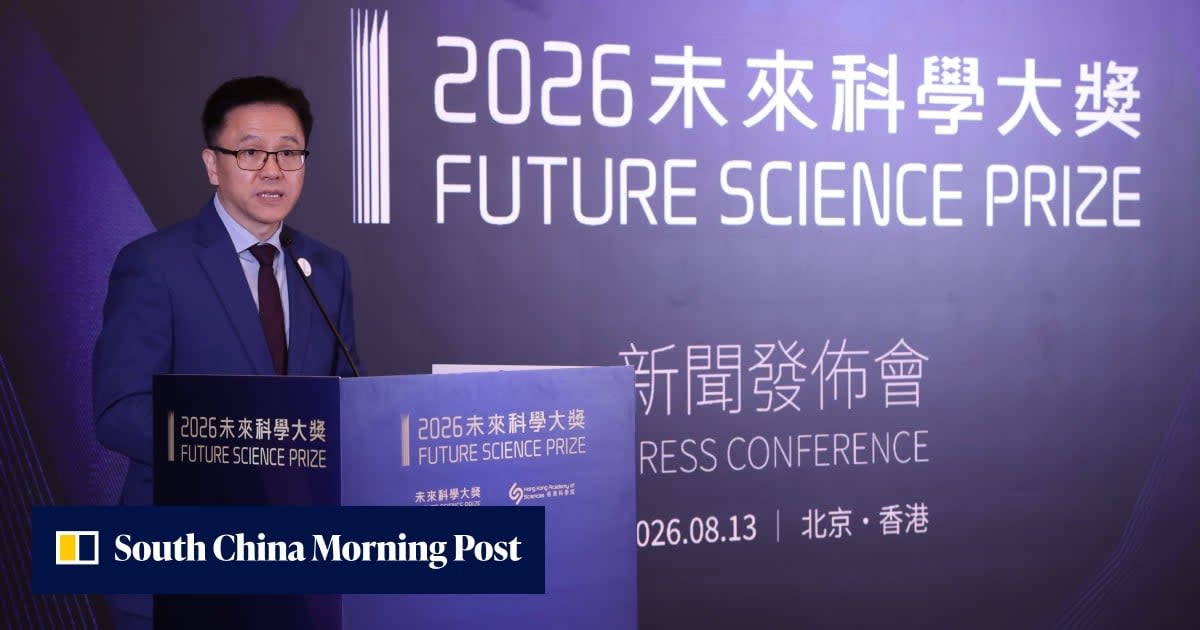
Three Chinese scientists won major awards for breakthrough research as Hong Kong cements its role as Asia's science hub. The Future Science Prize, China's first privately funded research award, chose the city for its fourth consecutive year.
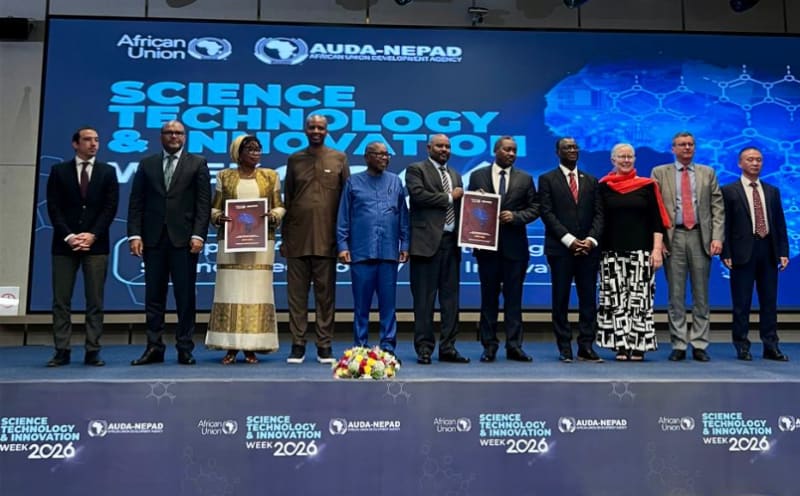
Six international partners just pledged $42 million to fuel Africa's ambitious 10-year science and innovation strategy. The funding will help African nations build stronger research systems and solve local challenges through homegrown science.
Scientists discovered a muscle protein called NOX4 that may explain why staying active keeps us stronger and healthier as we age. The best part? Exercise can restore it, even in older adults.

Scientists discovered why exercise and enriched environments reduce depression risk. A brain protein called Fgf2 keeps the brain's protective barrier strong during stress, potentially offering the first biomarker for depression.

A public health professor is slashing his annual research output from 15 papers to just seven, betting that quality beats quantity in science. His radical move challenges a system where some researchers now pump out more than 60 papers yearly.
New research analyzing over 1,300 people found the winning combo for lowering blood pressure: aerobic exercise paired with resistance training. Even better news? You're probably already familiar with these exercises.

Scientists are discovering that exercise does more than improve movement for Parkinson's patients. Muscles release protective molecules called "exerkines" that travel to the brain and may actually slow disease progression.
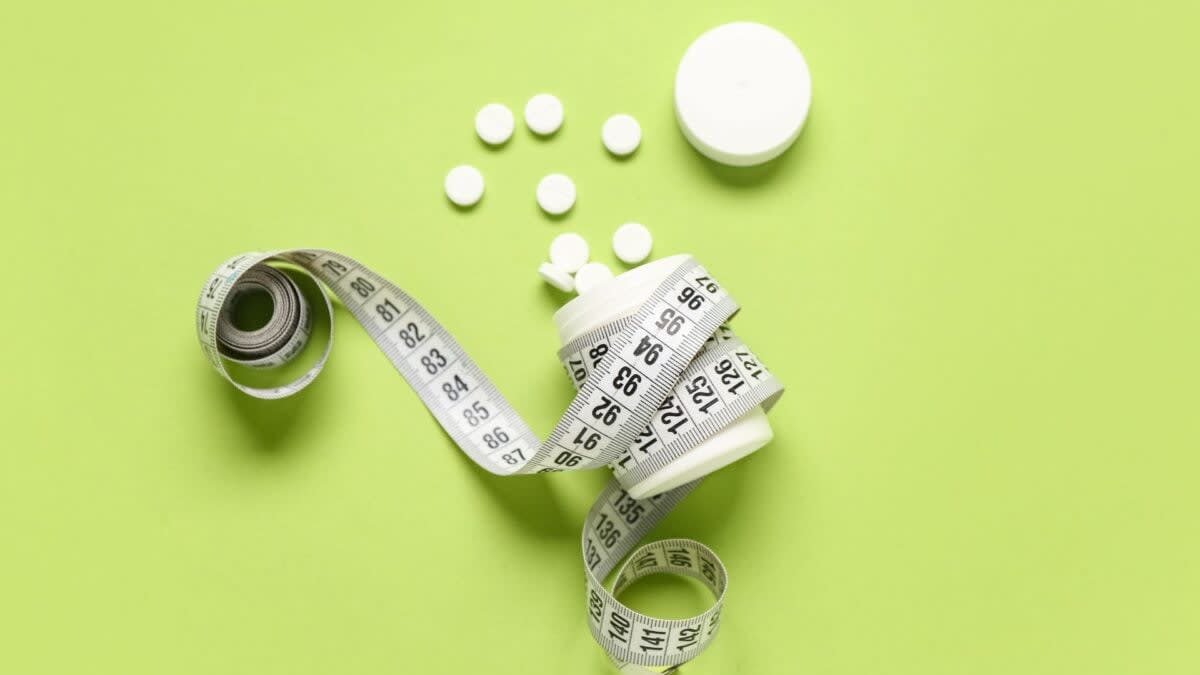
Scientists have successfully tested a pill that mimics the chemistry of exercise in humans for the first time. The drug ENV-308 showed no serious side effects and could help people maintain weight loss without the stomach problems common to current obesity medications.
Scientists discovered why exercise keeps aging muscles strong: physical activity lowers a gene called DEAF1, restoring the body's natural repair systems. The breakthrough could help millions maintain strength and independence as they age.
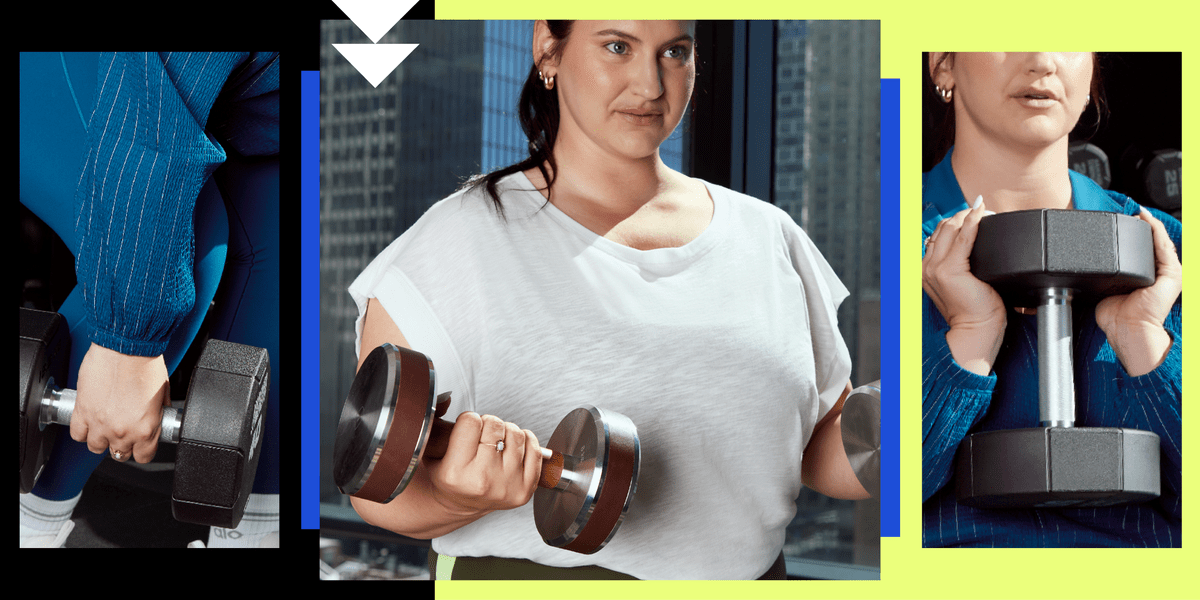
Think you need an hour at the gym to get stronger? Women's Health just launched a program proving 10 minutes is enough to build serious muscle. Research backs it up: just 15 minutes of weekly exercise lowers mortality risk by up to 18 percent.
Showing 20 of 12069