%2Ffile%2Fattachments%2F2990%2Fhealthy-eating-conversation_224312.jpg)
Healthy Eating is About How You Eat, Not Just What
Scientists say tuning into your body's hunger signals beats counting calories for better health. This approach improves mental wellbeing, physical health, and helps people enjoy food again.
Find uplifting stories about heroes, innovations, and solutions
6276 results for "healthy eating"
Scientists say tuning into your body's hunger signals beats counting calories for better health. This approach improves mental wellbeing, physical health, and helps people enjoy food again.
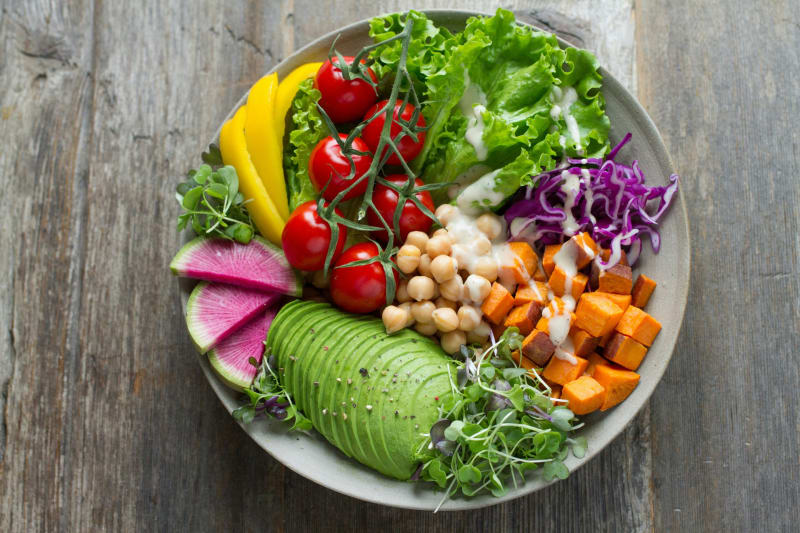
When a government official sparked outrage suggesting $3 meals of plain chicken and broccoli, chef Kevin Curry proved you can eat healthy on a budget with flavor and dignity. His Dollar General meal plan shows how real people can stretch $29 into 10 satisfying, protein-packed meals.
New research shows that over half of unmotivated young adults want to learn more about healthy eating after viewing simple, practical infographics. The European Food Information Council study proves that meeting young people where they are can spark positive change.
Scientists discovered a simple trick that helps people resist junk food when life gets overwhelming. The secret? Decide what you'll eat before stress hits.
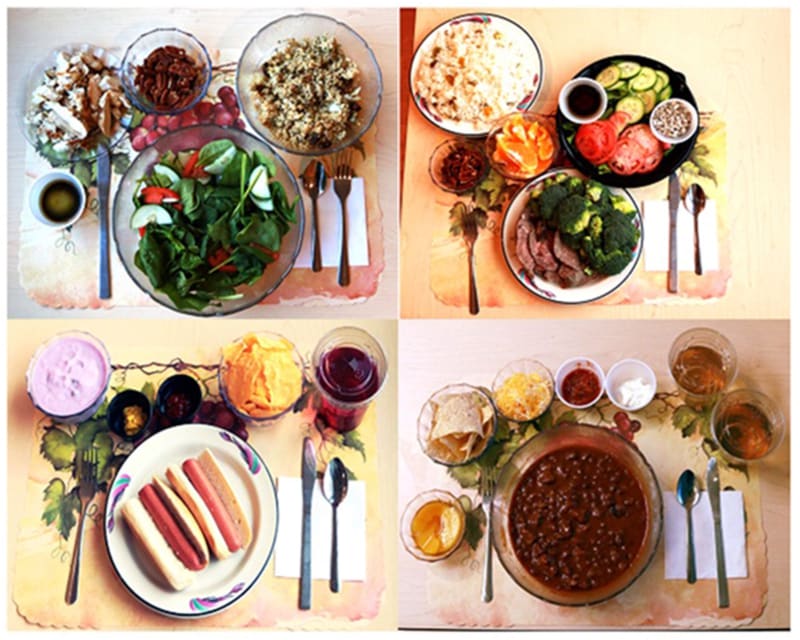
Scientists discovered people eating unprocessed foods consumed 57% more food by weight yet took in 330 fewer calories than those eating ultra-processed foods. The findings reveal humans have built-in "nutritional intelligence" that guides us toward balanced diets when we eat whole foods.

A 16-week study shows people eating low-fat vegan diets consumed 357 fewer calories daily while eating the same amount of food and losing weight. The secret is energy density: plant foods pack more volume and satisfaction into fewer calories.

A surprising new study reveals that restaurant calorie labels, often criticized for harming people with eating disorders, actually help those with binge eating disorder feel more in control. The research challenges assumptions about one-size-fits-all mental health impacts.
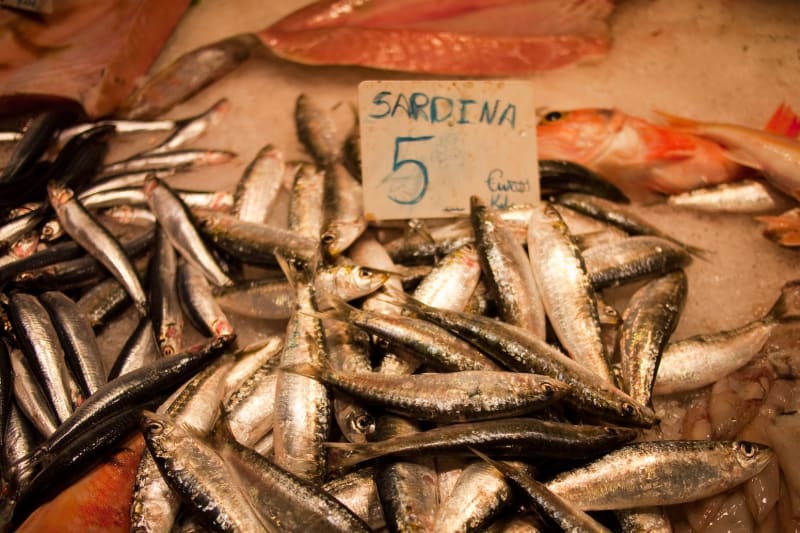
A new study reveals that choosing the cheapest healthy foods could slash your diet's carbon footprint by one-third while cutting grocery costs by the same amount. The secret? Everyday staples like beans, nuts, and small fish are already climate-friendly.

A global commission of scientists has created a flexible eating plan that could prevent millions of premature deaths while protecting Earth's resources. The diet works with cuisines from around the world and offers hope for fixing our broken food system.
%2Ffile%2Fattachments%2F2994%2Ffrozenfood-conversation_910276.jpg)
Good news for budget-conscious shoppers: frozen and canned fruits and vegetables pack the same nutritional punch as fresh options, sometimes even more. Science shows these affordable alternatives can help families eat healthier without breaking the bank.
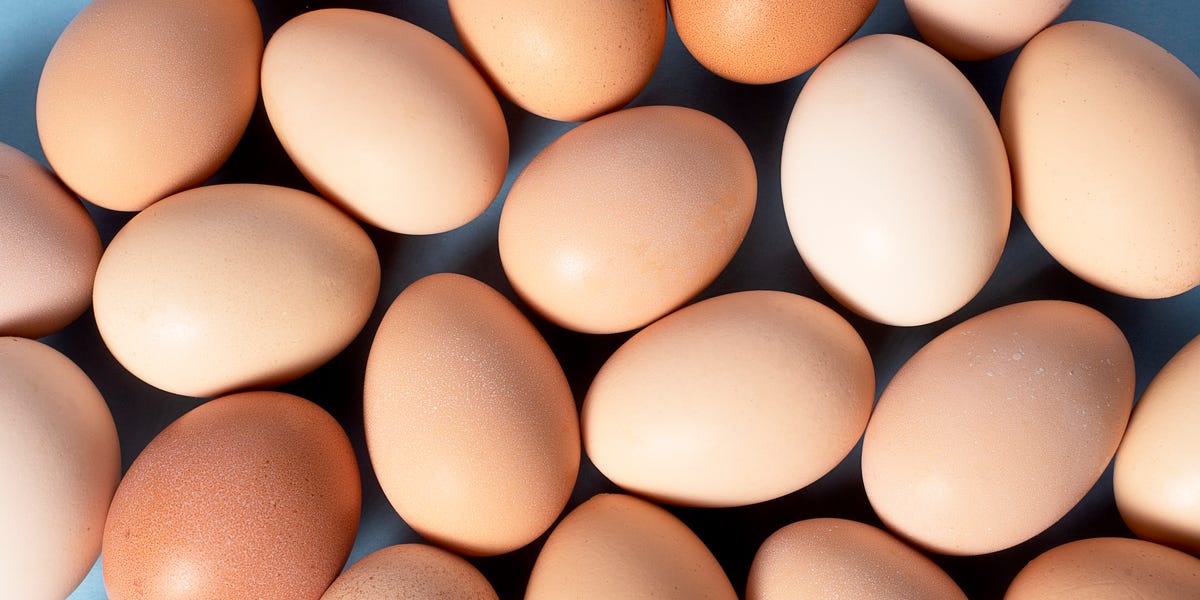
New research shows people who eat eggs regularly have a significantly lower risk of developing Alzheimer's disease, with the most frequent egg-eaters seeing up to a 27% reduction. At around $2 per dozen, this breakfast staple could be an affordable addition to your brain health strategy.
A pasta company is proving that healthy food can taste amazing by putting chefs, not just scientists, at the center of product development. Their kitchen-first approach is transforming how nutritious ingredients become craveable meals.

Jose Rojas proved you can eat well on a tiny budget by creating a nutritious, filling meal for two people using just five ingredients totaling one dollar. His viral video is giving hope to families struggling with rising food costs.

Scientists discovered that eating three servings of grapes daily for just two weeks changed how human skin cells respond to sun damage. The simple dietary change helped volunteers' skin produce natural UV-protective layers and reduce signs of sun damage.

A new study shows older women who ate within a 9-hour window and stopped eating 4 hours before bed performed better on cognitive tests. The findings offer hope that simple eating schedules could help protect brain health as we age.

Millions of children with a misunderstood eating disorder now have hope after Stanford researchers identified two therapies that actually work. The breakthrough could change how families approach what's been wrongly dismissed as "picky eating."

Hannah Waddingham deliberately eats burgers and chips with her 11-year-old to teach that all foods fit in a healthy life. Nutrition experts say her approach of not labeling foods "good" or "bad" helps kids develop healthier relationships with eating.
A 13-year study of 200,000 people found that choosing slow-digesting carbs like fruit and whole grains instead of blood sugar spikers could cut dementia risk by 16%. It's not about eating fewer carbs—it's about eating smarter ones.
Competitive eating legend Joey Chestnut claimed his third consecutive title at the Ultimate Bologna Showdown, proving once again why he's the undisputed champion of the sport. The beloved competitor continues to push the boundaries of what's possible in competitive eating.

After missing last year's contest, competitive eating legend Joey Chestnut returned to Coney Island and claimed his 18th Nathan's Hot Dog Eating Contest title. The 10-time consecutive champion downed 66 hot dogs and buns on the Fourth of July, proving his dominance in the sport remains unshaken.
Showing 20 of 6276