
Science Says Teen Weekend Sleep-Ins Fight Depression
New research reveals that teenagers sleeping until noon on weekends aren't being lazy. They're protecting their mental health by catching up on biologically necessary sleep.
Find uplifting stories about heroes, innovations, and solutions
12096 results for "sleep science"
New research reveals that teenagers sleeping until noon on weekends aren't being lazy. They're protecting their mental health by catching up on biologically necessary sleep.
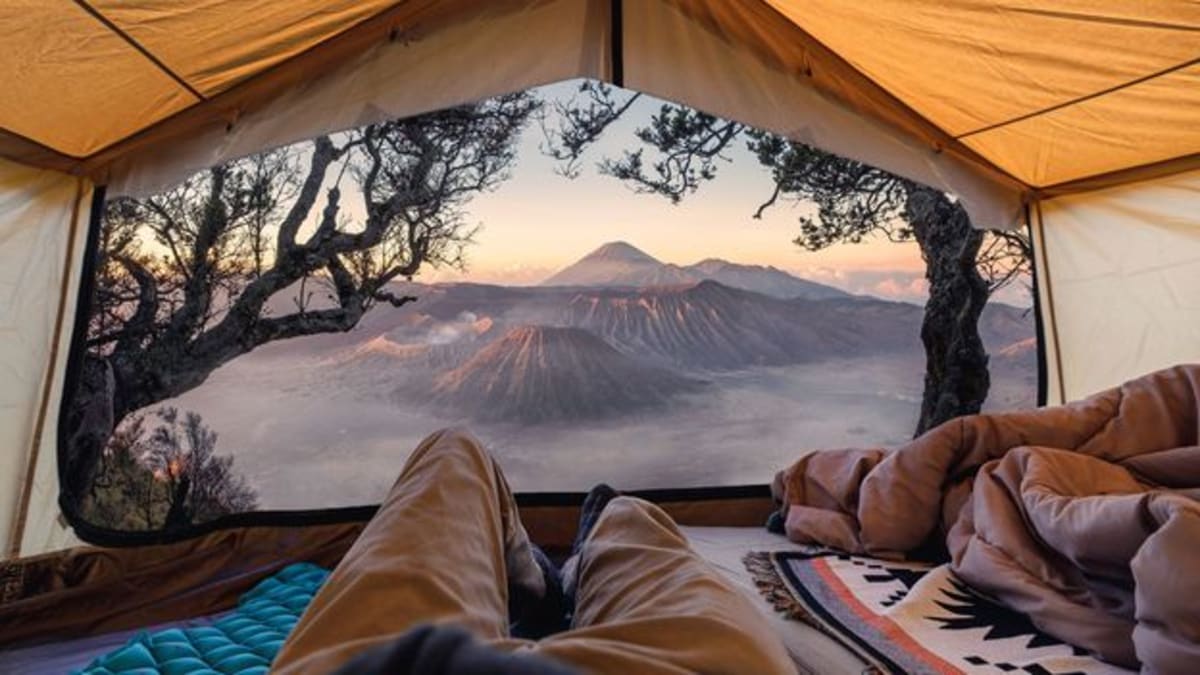
Struggling with sleep? Scientists found that just one weekend camping trip can shift your body's internal clock two hours earlier, helping you wake up more alert and reducing health risks linked to late sleep patterns. The secret is ditching artificial light and syncing with the sun.

One in three Americans doesn't get enough sleep, but new research shows what you eat before bed could change that. These six science-backed foods contain natural compounds that help you fall asleep faster and wake up more rested.

Nearly a third of Americans aren't getting enough sleep, but new research shows simple daily habits can turn restless nights around. Doctors say morning sunlight and putting down phones earlier could be the game-changer millions need.
Half of people use sound to fall asleep, but researchers just discovered pink noise might change your sleep more than expected. The good news? Simple solutions can help you find your perfect sleep environment.

A luxury Singapore hotel just became the first in the city to install science-backed sleep technology in every single room. Guests can now access brain-syncing sound devices that help them fall asleep faster and wake up more refreshed.

Scientists discovered that ancient jellyfish and sea anemones repair DNA damage while they sleep, pushing the origins of sleep back over 600 million years. The finding suggests sleep evolved not for dreams or memories, but as essential cellular maintenance.
A small facial patch that uses "sleep sonar" to pinpoint exactly where and why airways collapse during sleep just earned FDA breakthrough status. The AI-powered device could help 39 million Americans with sleep apnea get treatments tailored to their specific obstruction patterns.

Scientists are calling for more collaborations between artists and researchers to rebuild public confidence in science. The strategy comes as funding cuts threaten research programs worldwide.
Rolling out your yoga mat twice a week could be your best bet for finally getting quality sleep. A major new study reveals that 30-minute high-intensity yoga sessions outperform all other exercises for improving sleep.
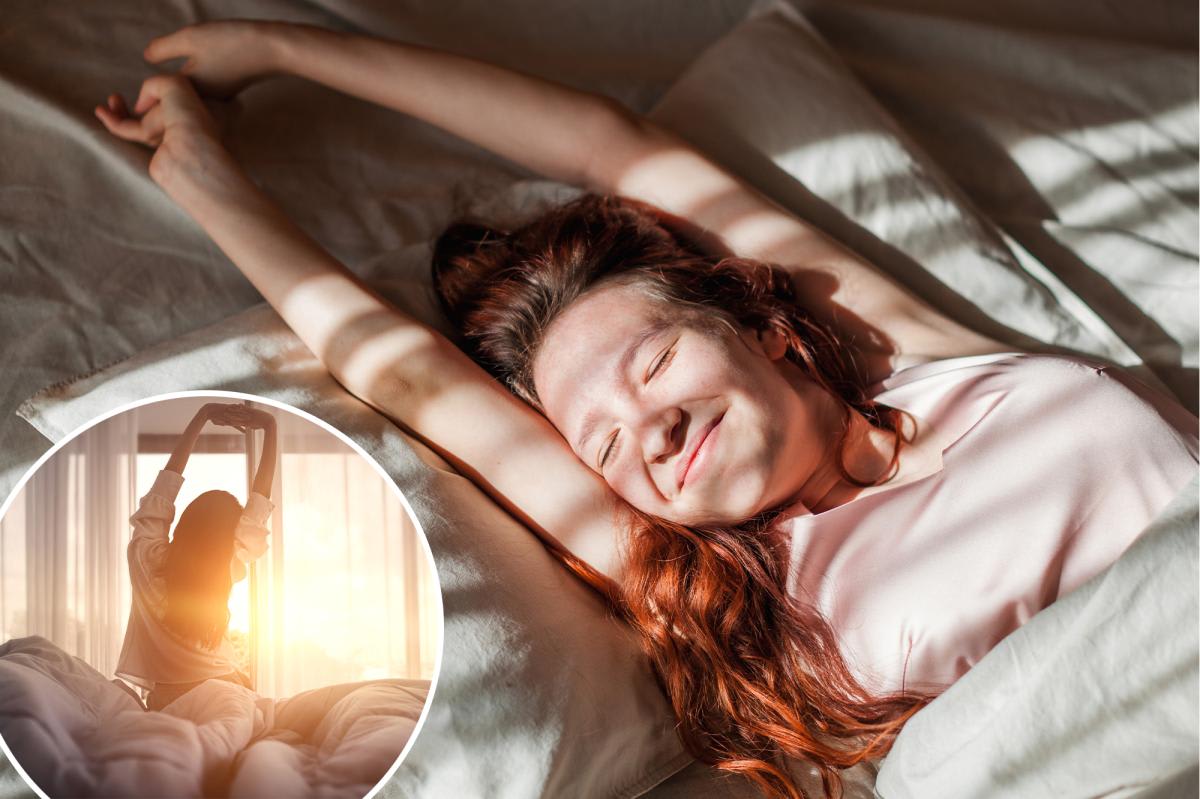
Getting more bright daylight during the day helps people fall asleep earlier and sleep more deeply at night, according to new research from the University of Manchester. The findings offer a simple, free way to improve sleep quality.
%2Ffile%2Fattachments%2F2994%2Fsleep-health-conversation_987808.jpg)
Your gut bacteria directly influence how well you sleep, and better sleep feeds healthier gut bacteria in return. Simple daily habits can strengthen this powerful connection.

A major science organization is launching a digital series that shows how Earth science research translates into real solutions for communities worldwide. The series premiews in December 2026 and goes global in January 2027.
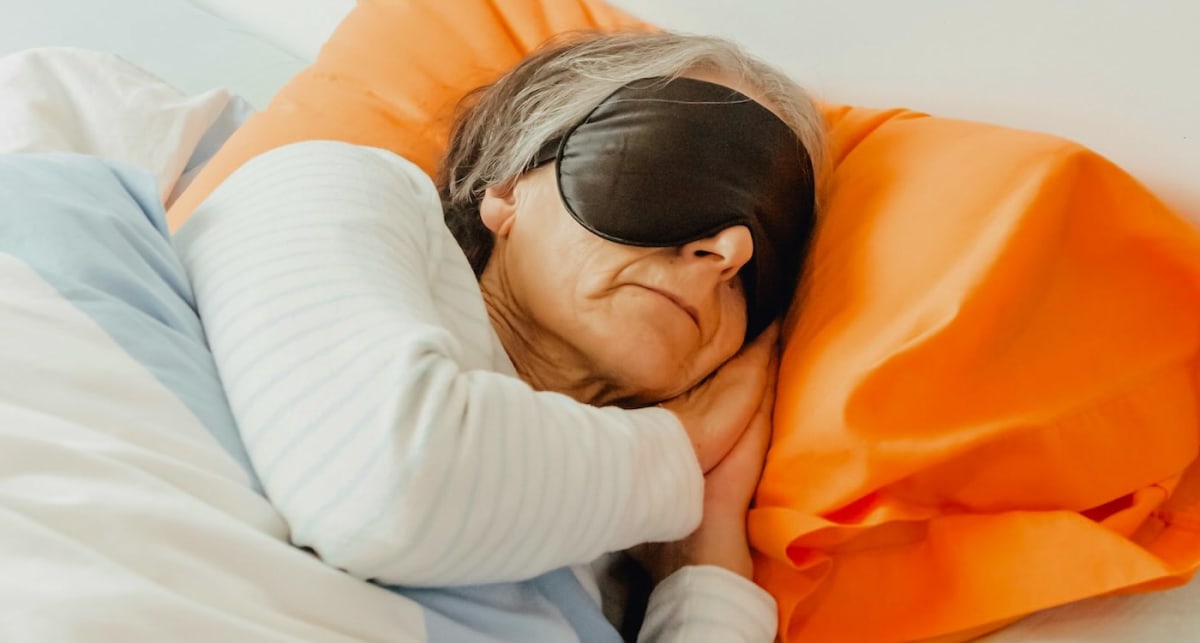
University of Kentucky researchers discovered brain immune cells cause sleep loss in Alzheimer's disease and successfully restored over two hours of nightly sleep by temporarily removing them. The breakthrough offers a new treatment target that works independently of amyloid plaques.

After decades of exhausting snoring and daytime crashes, Nick tried a CPAP machine and experienced his first uninterrupted sleep as an adult. The device that once treated only severe cases is now helping millions sleep better and healthier.

Over 900 Calgary students from Grade 5 to 12 are presenting their self-designed science experiments at the city's largest youth science fair this weekend. Two Grade 12 students developed a promising wound infection detector using red cabbage extract after a cooking accident sparked their curiosity.
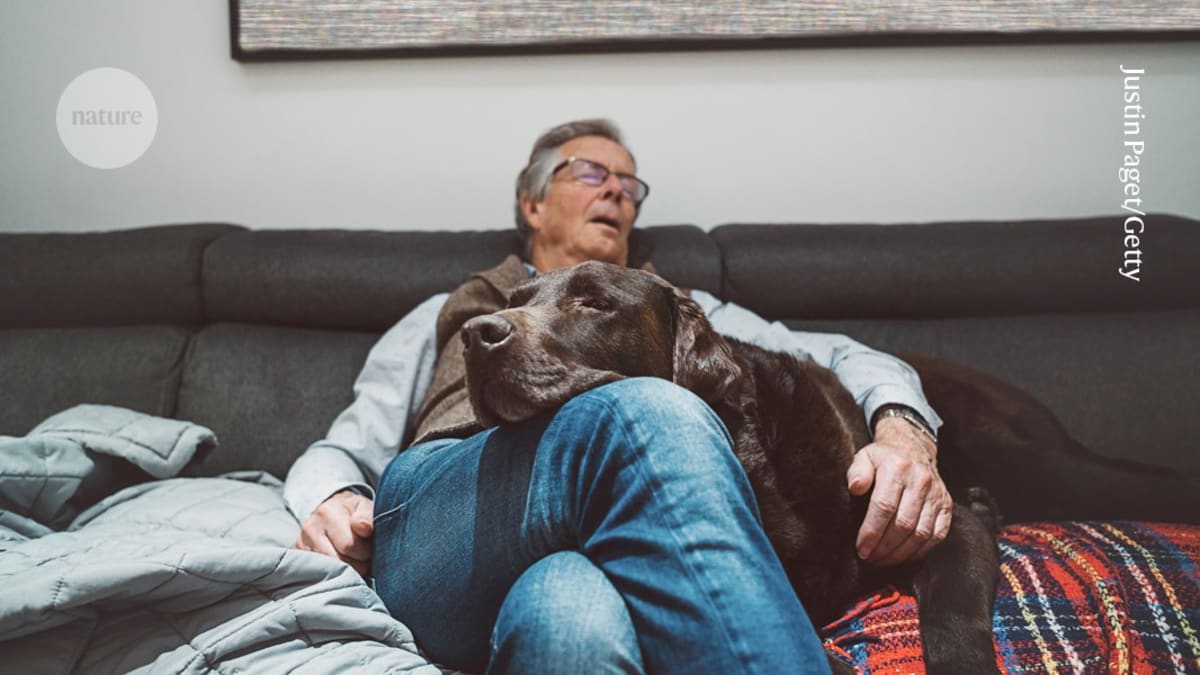
A massive study of 500,000 people found that getting six to eight hours of sleep each night is linked to slower biological aging and longer life. The best news? Sleep habits are changeable, giving everyone a tool to potentially improve their health.

Scientists discovered that jellyfish and sea anemones sleep about eight hours daily, proving sleep existed before brains evolved. The breakthrough reveals why all animals need rest: to repair damaged DNA in their cells.

Scientists at UC Berkeley have mapped the exact brain circuits that release growth hormone during deep sleep, revealing how rest directly rebuilds your body and sharpens your mind. This breakthrough could lead to new treatments for sleep disorders, diabetes, and brain diseases.
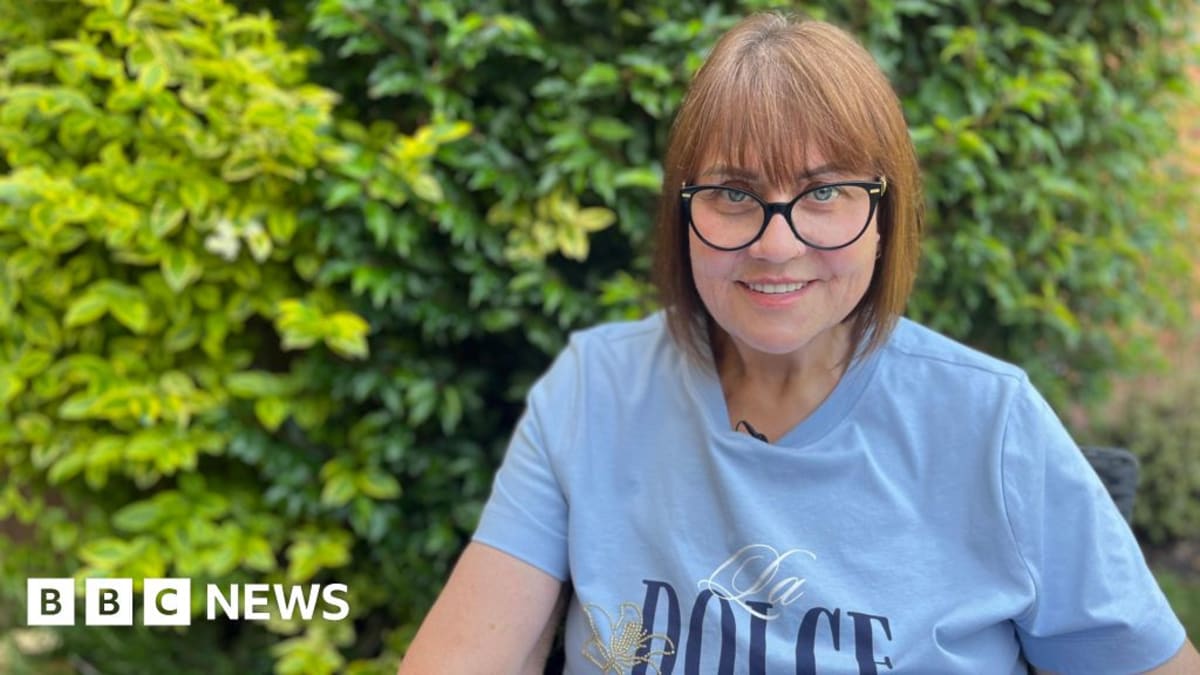
A UK woman who dreaded bedtime for five years can finally sleep peacefully thanks to a tongue-stimulating implant that treats severe sleep apnea. The breakthrough device is now available at five NHS hospitals for patients who couldn't tolerate traditional breathing masks.
Showing 20 of 12096