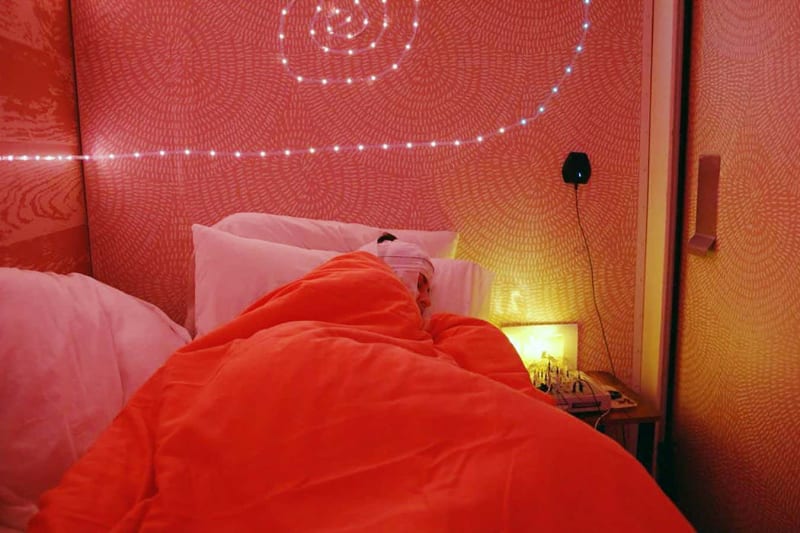
Scientists Help People Solve Puzzles While They Dream
Researchers successfully helped lucid dreamers work through unsolved puzzles during sleep by playing associated sounds. Those who dreamed about the puzzles were more than twice as likely to solve them the next day.
Your brain might be able to crack problems you couldn't solve while awake, all while you're tucked in bed sleeping.
Scientists at Northwestern University discovered they could guide people to work on specific puzzles during their dreams. The breakthrough could eventually help anyone tackle tricky problems just by sleeping on them.
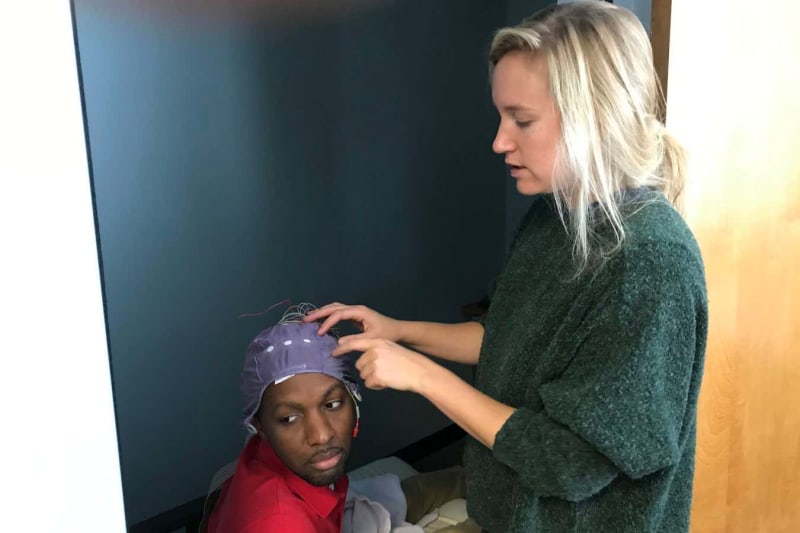
The research team recruited 20 lucid dreamers, people who can become aware they're dreaming and even control what happens. Each volunteer attempted various puzzles while awake in a sleep lab, and every puzzle got paired with a unique soundtrack like birdsong or steel drums.
Here's where it gets fascinating. The researchers waited until participants entered REM sleep, the stage where dreams become long and abstract. Then they played the soundtracks for puzzles the person couldn't solve earlier.
The dreamers could actually signal they were aware and working on the puzzles. They performed rapid eye movements and sniffs to communicate with the researchers while still asleep.
The next morning brought impressive results. About 40 percent of people who reported dreaming about the puzzles could now solve them, compared to just 17 percent who didn't dream about them.
The secret seems to be something called targeted memory reactivation. Playing the sound during sleep triggers memories of working on that puzzle earlier. This tricks the hippocampus, a memory center in the brain, into replaying and processing those memories differently.
Karen Konkoly, who led the study, believes REM sleep offers unique advantages. "REM dreams are hyper-associative and bizarre," she explains. "They mix new and old memories together, and even mix memories with fantastical imagination."
During this stage, your active brain works with less inhibition. You can reach farther into the corners of your mind, making unexpected connections that might solve stubborn problems.
The Bright Side
Dream engineering is already showing promise beyond problem solving. Researchers have used similar techniques to help smokers quit and treat chronic nightmares. Some studies suggest it could boost creativity by helping your sleeping brain make unusual connections.
The research opens doors for practical applications. Imagine studying for an exam, then having relevant cues played while you sleep to reinforce learning. Or working on a creative project and letting your dreaming mind explore solutions you'd never consider while awake.
Scientists are still figuring out why the same sounds work sometimes but not others, even in the same person. But the core discovery remains exciting: we might be able to put our sleeping hours to work in entirely new ways.
Your nightly rest could become an active partner in solving whatever puzzles tomorrow brings.
More Images


Based on reporting by New Scientist
This story was written by BrightWire based on verified news reports.
Spread the positivity!
Share this good news with someone who needs it