4 Astronauts Return From Record-Breaking Moon Mission
NASA's Artemis II crew safely splashed down in the Pacific Ocean after traveling farther from Earth than any humans in history. The successful 10-day journey around the moon marks humanity's first lunar mission in over 50 years.
📺 Watch the full story above
Four astronauts emerged from their space capsule Saturday morning with huge smiles after completing the most distant journey humans have ever taken from our home planet.
NASA's Artemis II crew splashed down safely off the California coast, wrapping up a historic 10-day mission that took them 406,771 kilometers from Earth. US astronauts Reid Wiseman, Victor Glover, Christina Koch, and Canadian astronaut Jeremy Hansen traveled farther into space than any person before them, breaking the distance record set by Apollo 13.
Military helicopters hoisted each astronaut from an inflatable raft into the sky, carrying them to the waiting recovery ship. The scene looked straight out of the 1960s Apollo missions, marking a triumphant return to lunar exploration after more than half a century away.
The crew's Orion capsule, nicknamed Integrity, plunged through Earth's atmosphere at 33 times the speed of sound. Temperatures on the spacecraft's exterior soared to 2,760 degrees Celsius as a shield of superheated plasma engulfed the capsule during its fiery descent.
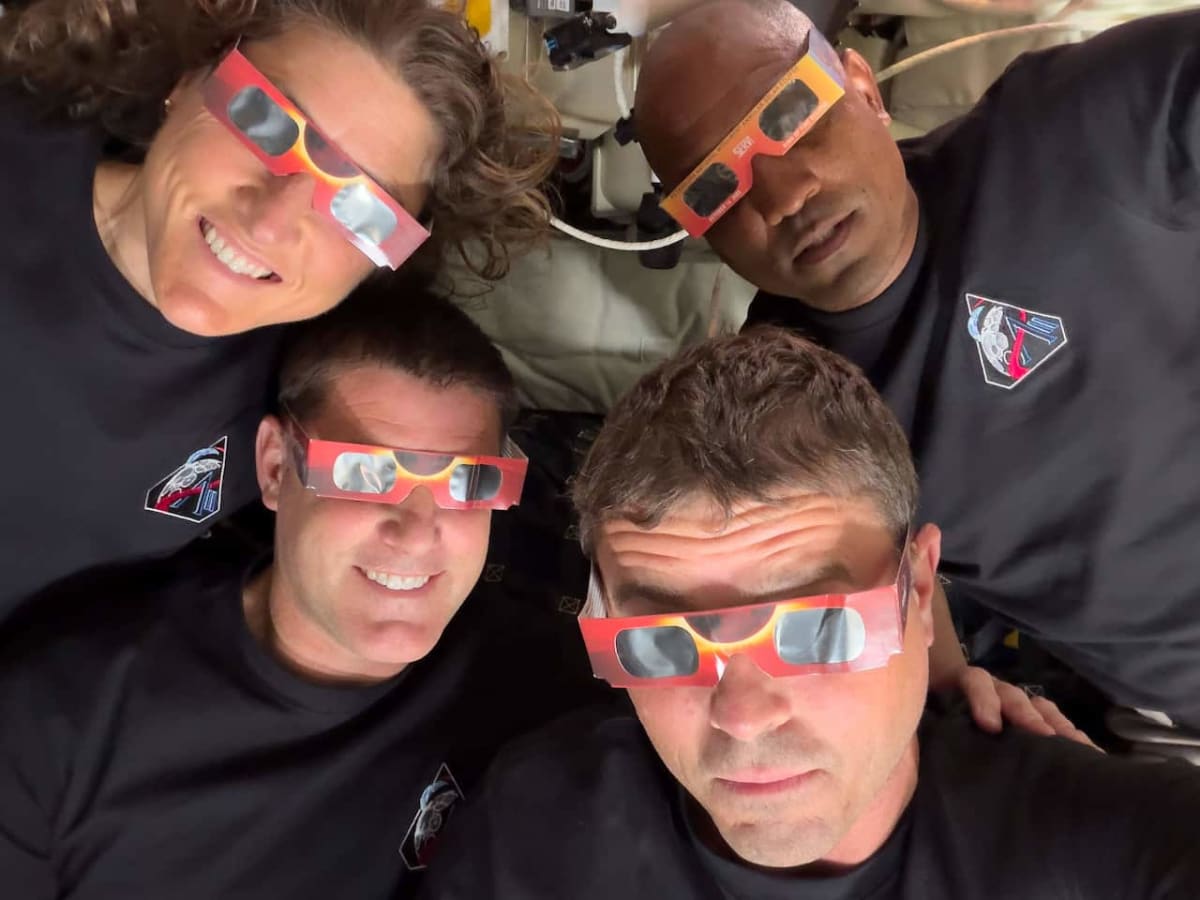
During their journey, the astronauts witnessed sights no human eyes had seen before. They documented stunning views of the moon's far side and watched a total solar eclipse from space. In an emotional moment, the teary crew asked permission to name two lunar craters after their spacecraft and Wiseman's late wife, Carroll.
"It just blew all of us away," Glover said about the eclipse. The crew captured breathtaking photos of Earth setting behind the moon, echoing Apollo 8's famous Earthrise image from 1968.
Why This Inspires
This mission proves that humanity's greatest adventures aren't behind us. The Artemis II crew faced malfunctioning toilets, valve problems, and countless inconveniences with grace and humor. "We can't explore deeper unless we are doing a few things that are inconvenient," Koch said, reminding us that worthwhile achievements require sacrifice.
Their journey paves the way for future moon landings starting in 2028. Next year's Artemis III mission will see astronauts practice docking with lunar landers in Earth's orbit. By 2028, Artemis IV aims to land two crew members near the moon's south pole, establishing a sustainable lunar base for generations to come.
NASA administrator Jared Isaacman summed up the moment perfectly from the recovery ship: "These were the ambassadors from humanity to the stars that we sent out there right now, and I can't imagine a better crew."
The stars are calling us back, and we just answered with style.
More Images



Based on reporting by SBS Australia
This story was written by BrightWire based on verified news reports.
Spread the positivity!
Share this good news with someone who needs it