AI Maps Hidden Ocean Currents From Weather Satellites
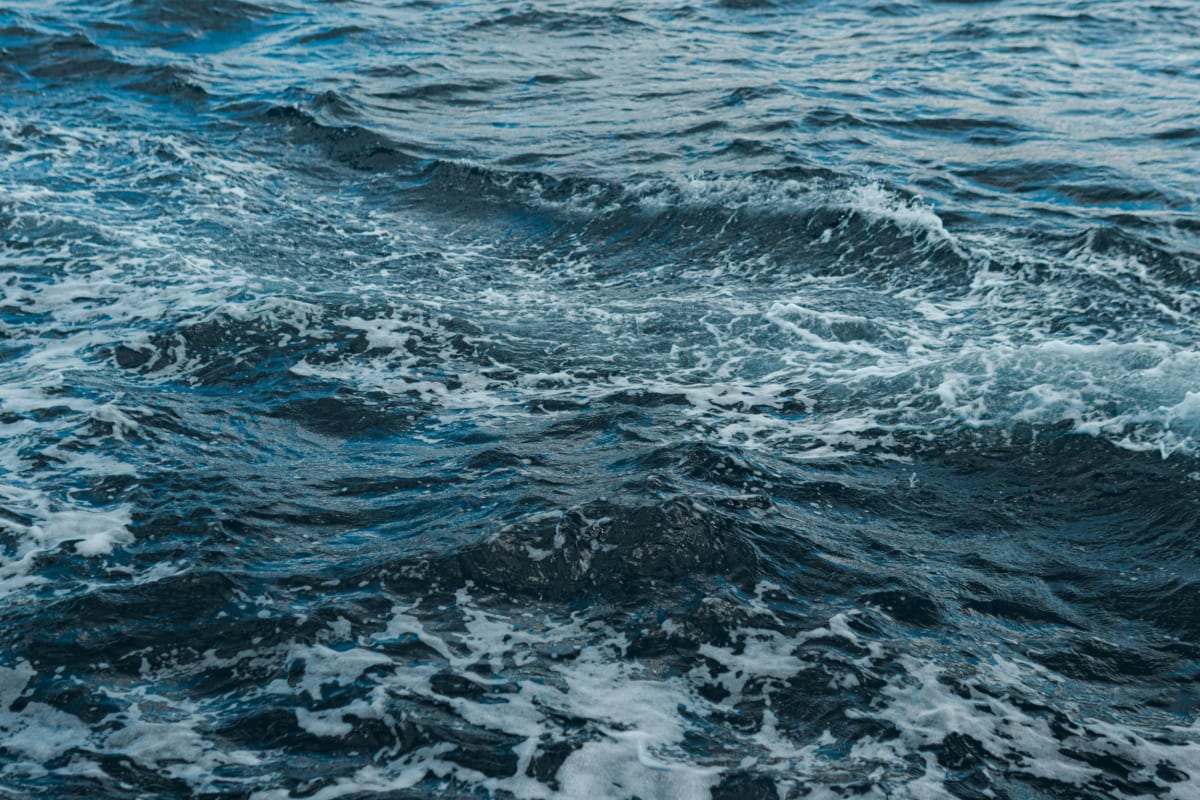
Scientists turned everyday weather satellites into powerful ocean current detectors using artificial intelligence, revealing swirling underwater features that stayed invisible for decades. The breakthrough costs nothing extra and updates every hour.
📺 Watch the full story above
Scientists just gave us a whole new view of the ocean without launching a single new satellite. Researchers from UC San Diego, University of Rhode Island, and UCLA trained AI to spot invisible ocean currents hiding in plain sight within weather satellite photos.
The system, called GOFLOW, watches thermal images snapped every five minutes by satellites like GOES-East. Where scientists once saw only warm and cool water patches, AI now reads the subtle bending and stretching of these patterns to calculate exactly how fast and which direction currents flow underneath.
Traditional ocean satellites measure sea height using radar but blur out the small, fast features that really matter. GOFLOW catches swirling eddies smaller than 10 kilometers and boundary currents racing along coastlines, movements vital for spreading heat, nutrients, and even tracking pollution.
The team published their findings in Nature Geoscience in 2026 after testing the system against research vessel measurements from the Gulf Stream in 2023. The AI matched real ship data while revealing entirely new dynamics that previous tools missed completely.
Here's what makes it special: the satellites were already up there taking pictures for weather forecasts. Scripps researcher Remi Lamain noticed their untapped potential in 2023 and worked with collaborators to build deep learning networks that connect temperature patterns to actual water speeds.
The AI learned by studying high-quality ocean simulations paired with synthetic thermal images. Once trained, it could look at real satellite feeds and output current maps showing speed, direction, and even the spinning motion of water at submesoscale resolution.
The Ripple Effect
This technology changes the game for climate prediction, fisheries, and conservation without adding costs. Hourly ocean current maps help weather agencies improve hurricane forecasts by understanding how the ocean feeds heat into storms.
Fisheries can track nutrient-rich upwelling zones more precisely, helping protect spawning grounds and manage catches sustainably. Marine protected areas gain tools to follow larval dispersal patterns, showing where baby fish travel and which habitats need safeguarding.
Carbon cycle researchers now trace how currents mix surface water downward, locking away atmospheric carbon in the deep ocean. Search and rescue teams can model debris drift paths more accurately, potentially saving lives during maritime emergencies.
The system reveals intense eddies that trap heat and carbon, sharp frontal zones where currents accelerate and fuel plankton blooms, and vorticity hotspots that clarify how energy transfers to deeper waters. These features influence everything from local ecosystems to global climate patterns.
Because GOFLOW repurposes existing weather imagery, it scales easily to any region covered by geostationary satellites. Teams are already eyeing expansion to the Pacific and Southern Oceans, promising global coverage that updates faster than any previous method.
The ocean moves in ways we're only beginning to understand, and this AI breakthrough proves powerful tools sometimes hide in resources we already have.
More Images


Based on reporting by Google News - AI Breakthrough
This story was written by BrightWire based on verified news reports.
Spread the positivity!
Share this good news with someone who needs it