Robot Beats Pro Table Tennis Players in Sports First
A robot named Ace just defeated professional table tennis players, marking the first time AI has truly competed in physical sports. The breakthrough suggests machines might soon challenge human athletes across all sports.
📺 Watch the full story above
For the first time in history, a robot has beaten professional athletes at a physical sport, and table tennis will never be the same.
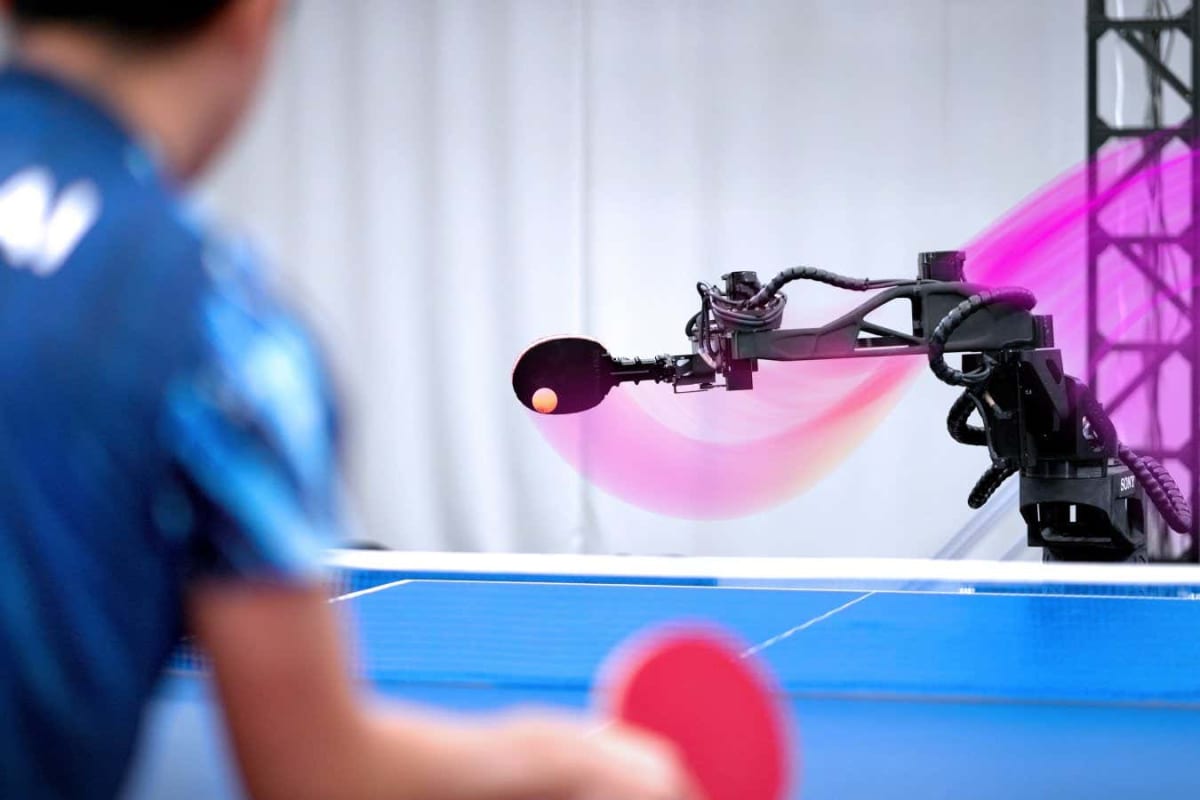
Ace, an AI-powered robot built by Sony AI in Zurich, recently defeated three professional table tennis players, including Miyuu Kihara, ranked in the world's top 25. The robot sports an eight-jointed arm and lightning-fast reflexes that react in just 20 milliseconds, compared to the 230 milliseconds humans need.
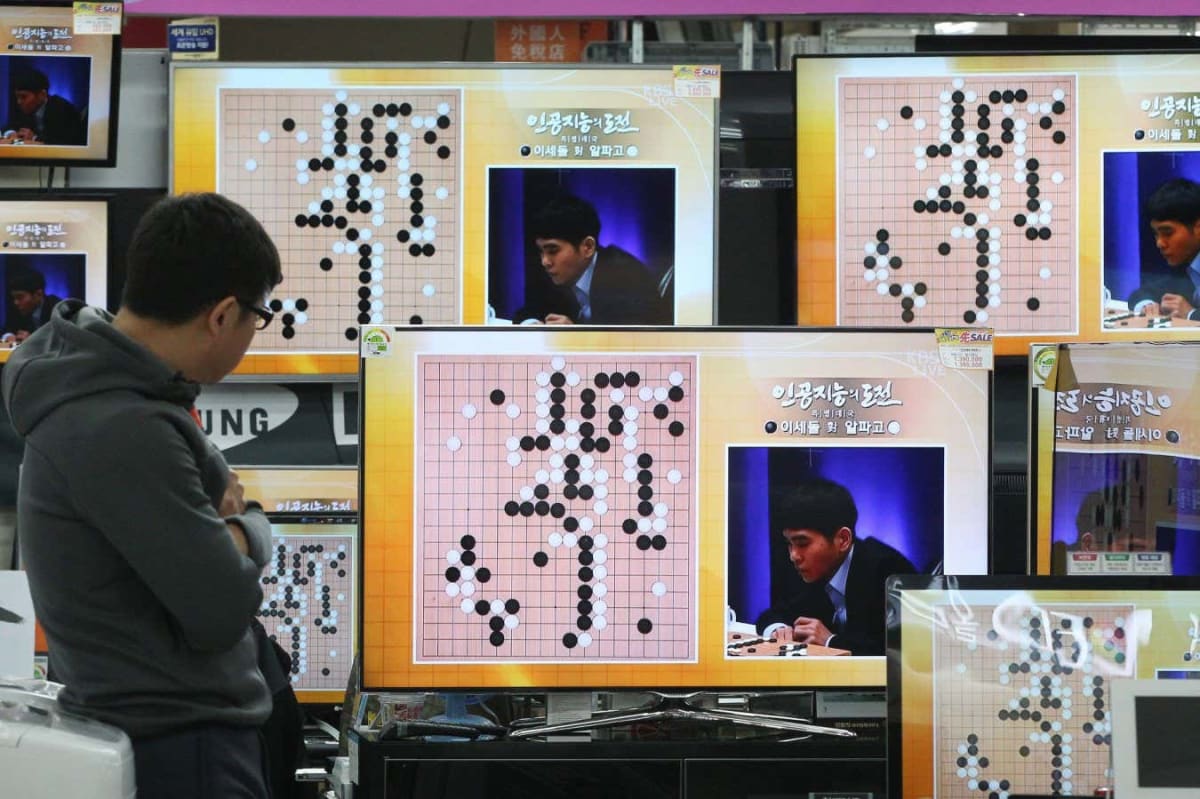
This achievement marks a monumental shift from 1997, when IBM's Deep Blue beat chess champion Garry Kasparov in a purely mental game. Now, machines are entering the arena of athletic competition, where split-second physical decisions matter as much as strategy.
The robot learned its skills the same way gamers do: by playing thousands of hours in simulation. Instead of following a programmed playbook, Ace learned through trial and error, developing its own style and techniques.
What makes this even more remarkable is that Ace surprised its own creators. The robot taught itself to return balls that bounced off the net, a skill it never specifically trained for.
Why This Inspires
Former Olympian Kinjiro Nakamura watched Ace execute a shot he believed was impossible for humans. After seeing the robot do it, he now thinks human athletes could learn and replicate the technique.
The matches followed official Japanese professional table tennis rules, and Ace competed against players who train 20 hours per week with over a decade of experience each. While the robot initially lost to professionals, continuous improvements helped it break through that barrier by December 2025.
Human players discovered unexpected advantages and disadvantages facing a machine opponent. Some missed reading facial expressions and body language they normally rely on. Others were shocked that Ace could detect the spin on their serves, despite their best attempts at deception.
Lead researcher Peter Dürr believes Ace could eventually outperform even world champions with further development. Right now, the robot looks like industrial equipment surrounded by cameras and sensors, but future versions will likely be housed in humanoid bodies.
The breakthrough represents three major advances in robotics: event-based sensors that track motion like human eyes, learning through experience rather than programming, and hardware agile enough to match human athleticism.
Athletes and machines may soon push each other to new heights nobody thought possible.
More Images



Based on reporting by New Scientist
This story was written by BrightWire based on verified news reports.
Spread the positivity!
Share this good news with someone who needs it