Azores Islands Turn Off Lights to Save 30,000 Seabirds
For five nights every autumn, a Portuguese island voluntarily turns off its lights so young seabirds can safely reach the ocean. Thanks to this community effort, more than 30,000 fledglings have survived their first flight to sea.
On the tiny island of Corvo in Portugal, late October nights bring an extraordinary community tradition that protects newborn lives. Whenever the clock strikes nine in the evening, the entire island switches off its public lights so thousands of young seabirds can safely take flight.
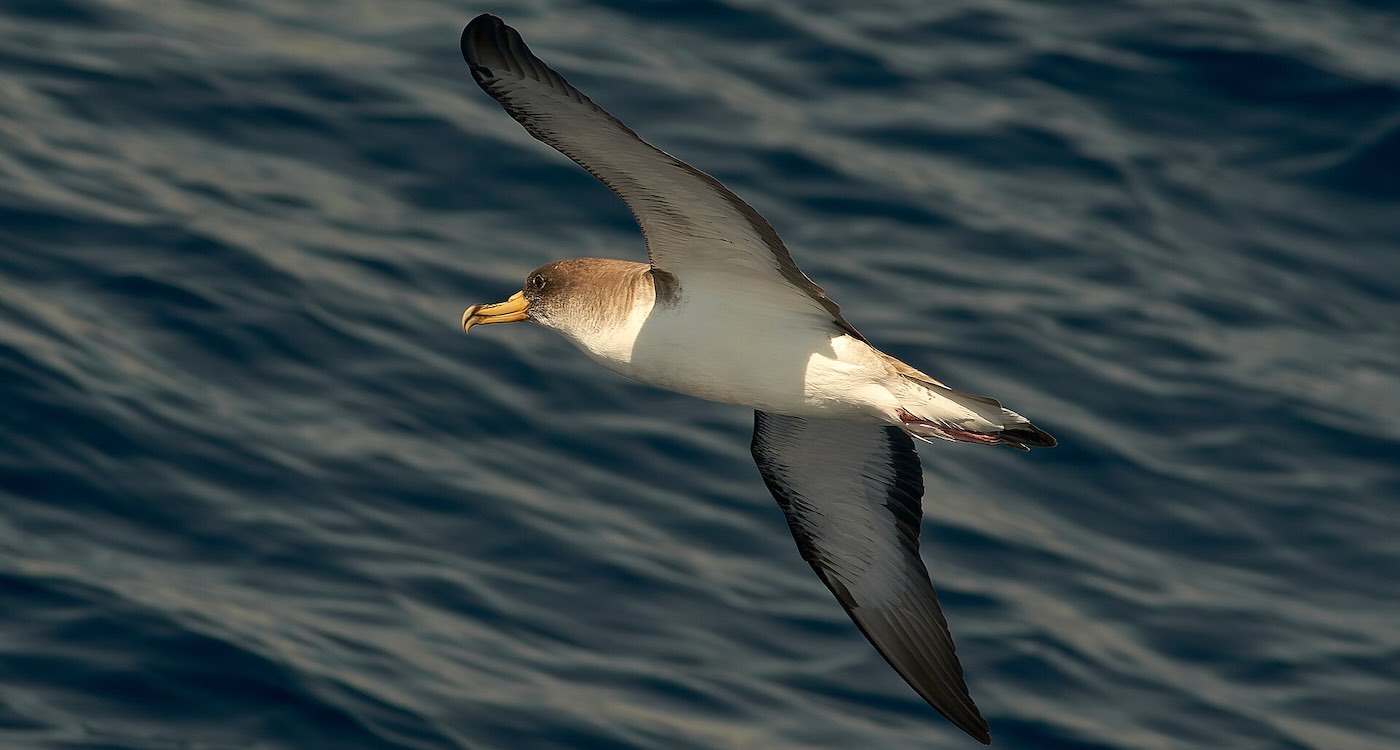
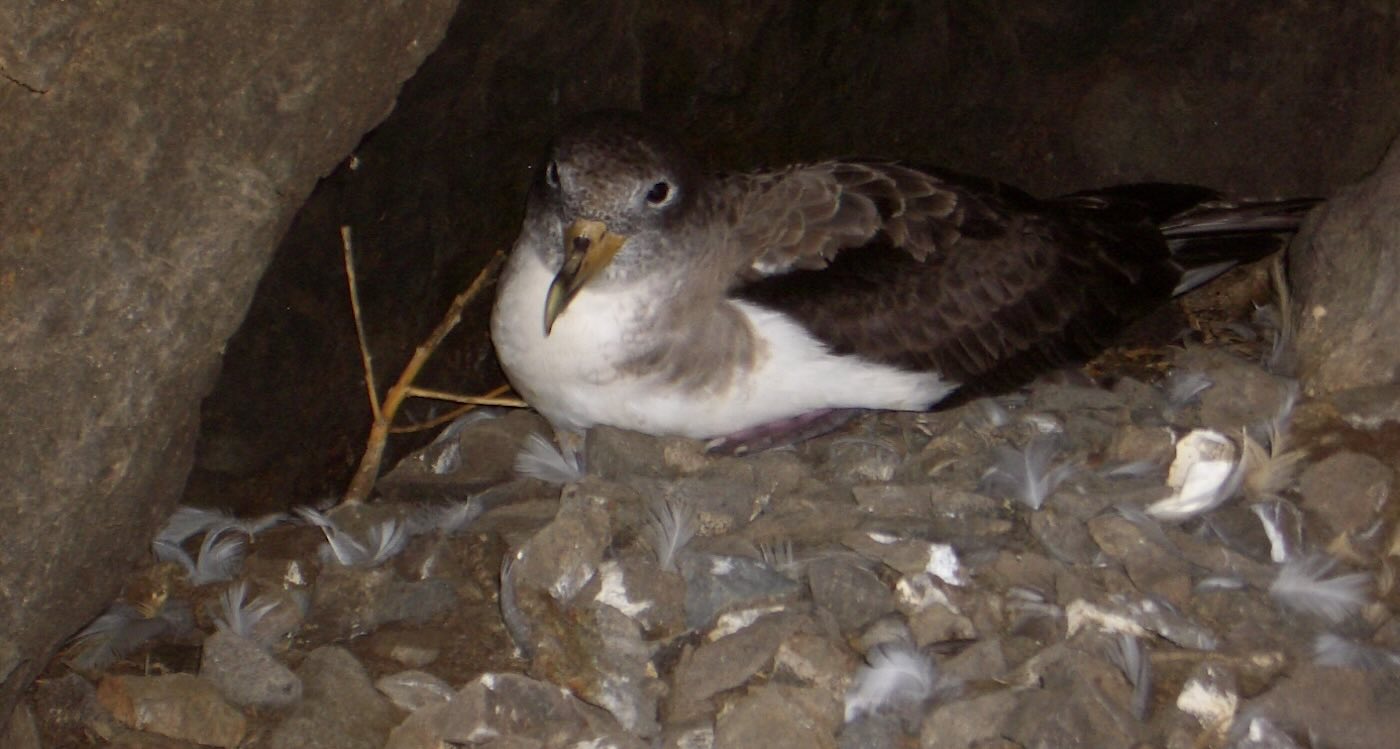
This intentional blackout shields Cory’s shearwaters, vulnerable ocean wanderers taking their very first journeys out into the world. The Azores archipelago hosts up to 75 percent of the global breeding population, making these remote cliffs essential to the species' survival.
Young fledglings naturally leave their nests under the cover of darkness to avoid predators. Bright modern streetlights easily disorient the young birds, blinding them and causing them to crash onto roads instead of gliding toward the water.
To solve the problem, Corvo's 400 residents joined hands with the Portuguese Society for the Study of Birds. Since 2017, the local government has plunged the island into darkness from 9:00 p.m. to 4:00 a.m. during peak fledgling season.
In a recent community survey, every single respondent voted in favor of turning off the lights to protect their feathered neighbors. Each evening, passionate volunteers patrol the quiet streets with flashlights and cardboard boxes, searching for lost chicks that need a helping hand.
Rescuers gently scoop up grounded birds, check them for injuries, and release them along the coastline so they can catch ocean drafts. Their dedication has produced remarkable results, saving more than 30,000 shearwaters across the Azores since 2015.
On Corvo alone, loving volunteers have safely guided roughly 6,000 chicks into the waves. These seasonal rescue efforts show how quickly wildlife populations can bounce back when human communities make conscious space for nature.
The Ripple Effect
Corvo’s shining example of harmony is inspiring neighboring islands to reconsider their relationship with artificial lighting. Nearby Madeira recently initiated scheduled blackouts and outreach programs to encourage businesses and homes to dim unnecessary night lights.
International research programs are now tracking these Portuguese efforts to help other coastal cities reduce light pollution along major migratory corridors. Simple, coordinated choices can transform human habitats into safe passages for Earth's most delicate creatures.
With every darkened street and quiet rooftop, these islanders prove that giving nature a chance is as simple as flipping a switch.
More Images
Based on reporting by Good News Network
Play Today’s BrightWire Positive Mini Crossword & Word Game
Keep your mind sharp with our free 5-minute uplifting daily crossword and positivity word puzzle.
Spread the positivity!
Share this good news with someone who needs it