Bhopal Graduate Grows 1,800 Israeli Avocados in India
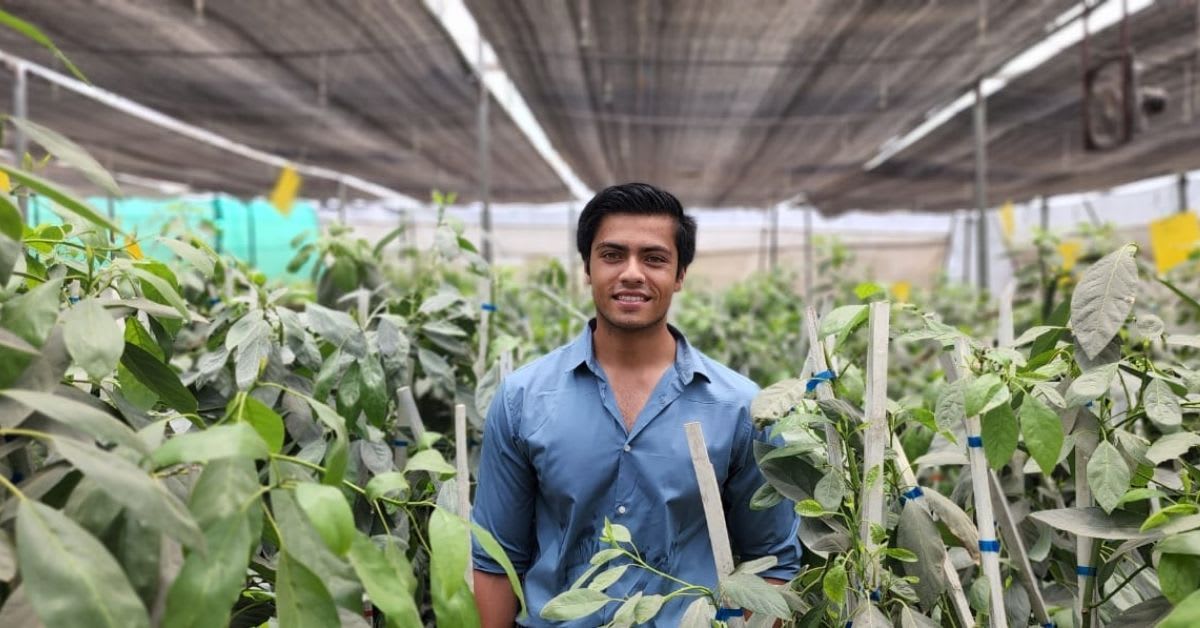
After struggling to find quality avocados in his hometown, 26-year-old Harshit Godha studied farming techniques in Israel and returned to grow 1,800 imported plants on his family's land. His five-acre farm in Bhopal could help make the superfood more accessible across India.
📺 Watch the full story above
When Harshit Godha couldn't find decent avocados in Bhopal, he didn't just complain. He flew to Israel, learned how to grow them in hot climates, and came home to start a revolution.
The 26-year-old had gotten hooked on avocados while studying business in England, eating them almost daily as part of his fitness routine. But every time he returned to India for summer break, he noticed the fruit was either missing or poor quality, especially in his hometown of Bhopal.
Then he spotted something interesting on avocado packaging in the UK. The fruits came from Israel, a country with scorching temperatures similar to India's. If Israeli farmers could grow avocados in intense heat, why couldn't Indian farmers do the same?
In 2017, during his final semester at Bath University, Harshit made a bold decision. He started sending cold emails to Israeli avocado farms, asking if he could visit and learn their secrets. One farmer, Benny Weiss, said yes.
Harshit spent a month in Israel on a tourist visa, waking up at 5 am every morning to observe Benny's farm. He couldn't legally work, but he could watch and take notes. He studied everything from plant varieties to irrigation systems to soil preparation techniques used in hot climates.
After graduating, Harshit returned to Bhopal with a plan. His family offered five acres of land, and with Benny's guidance, he prepared the soil by raising it to prevent waterlogging during monsoon season. Black cotton soil absorbs too much water, so elevated rows let excess moisture flow away from the plants.
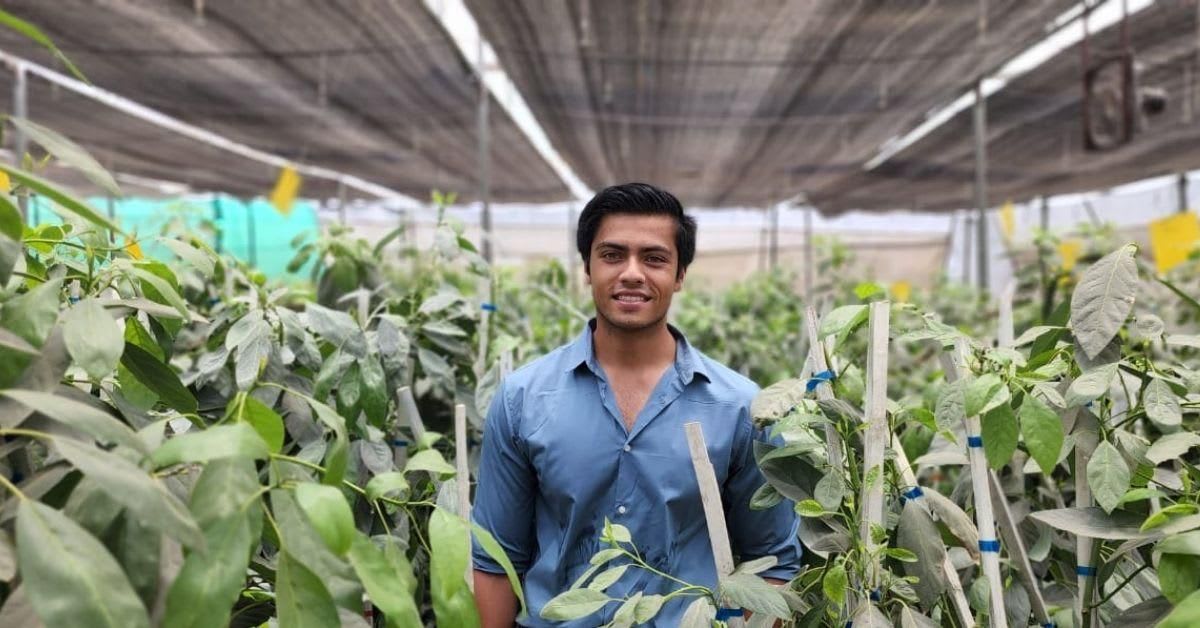
Getting the actual plants proved harder than expected. Import permits and licenses delayed him for two years, and COVID lockdowns created more obstacles. Finally, in July 2021, 1,800 Israeli avocado plants arrived at his farm.
Harshit is now growing five different varieties, including Hass (the most popular globally) and Pinkerton (better suited for high temperatures). His goal is to discover which types thrive best in Indian conditions, since reliable data doesn't exist yet. He's also nurturing 4,000 additional saplings in a nursery, which he plans to sell to farmers across India next year.
The first harvest is still three years away, but Harshit isn't sitting idle. He runs a YouTube channel and podcast where he interviews avocado experts from Mexico, Australia, Colombia, and beyond, documenting his entire journey. He's learning which farming practices work better for labor-rich countries like India versus equipment-heavy Western operations.
The Ripple Effect
Harshit's experiment could transform avocado availability in India. Right now, the nutritious superfood remains expensive and hard to find in many cities. If his farm proves successful, it could inspire other Indian farmers to grow avocados locally, making them more affordable and accessible nationwide.
By adapting Israeli techniques to Indian conditions, he's not just building a business. He's showing that with curiosity, persistence, and international collaboration, young farmers can bring agricultural innovation home.
One student's frustration with missing avocados might just spark India's next farming revolution.
More Images
%2Fenglish-betterindia%2Fmedia%2Fpost_attachments%2Fuploads%2F2022%2F07%2F1-1656925906.jpg)
%2Fenglish-betterindia%2Fmedia%2Fpost_attachments%2Fuploads%2F2022%2F07%2F2-1656925977.jpg)
Based on reporting by The Better India
This story was written by BrightWire based on verified news reports.
Spread the positivity!
Share this good news with someone who needs it