Bonobo Named Kanzi Could Imagine, Scientists Discover
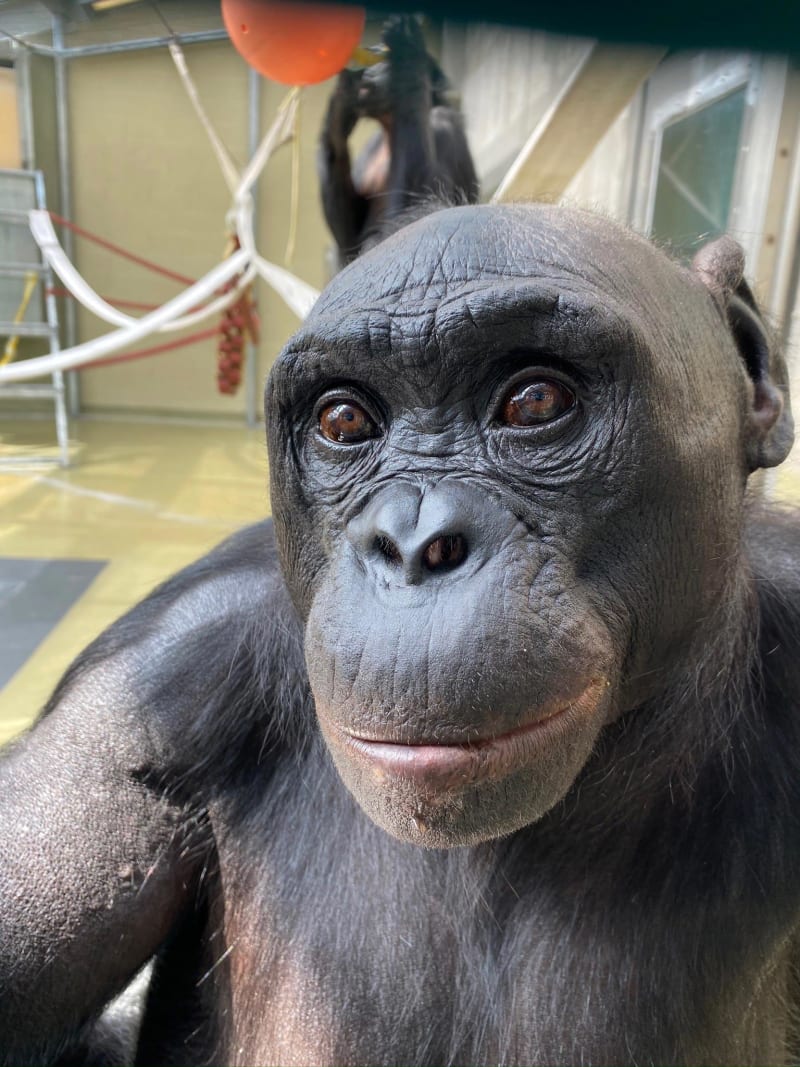
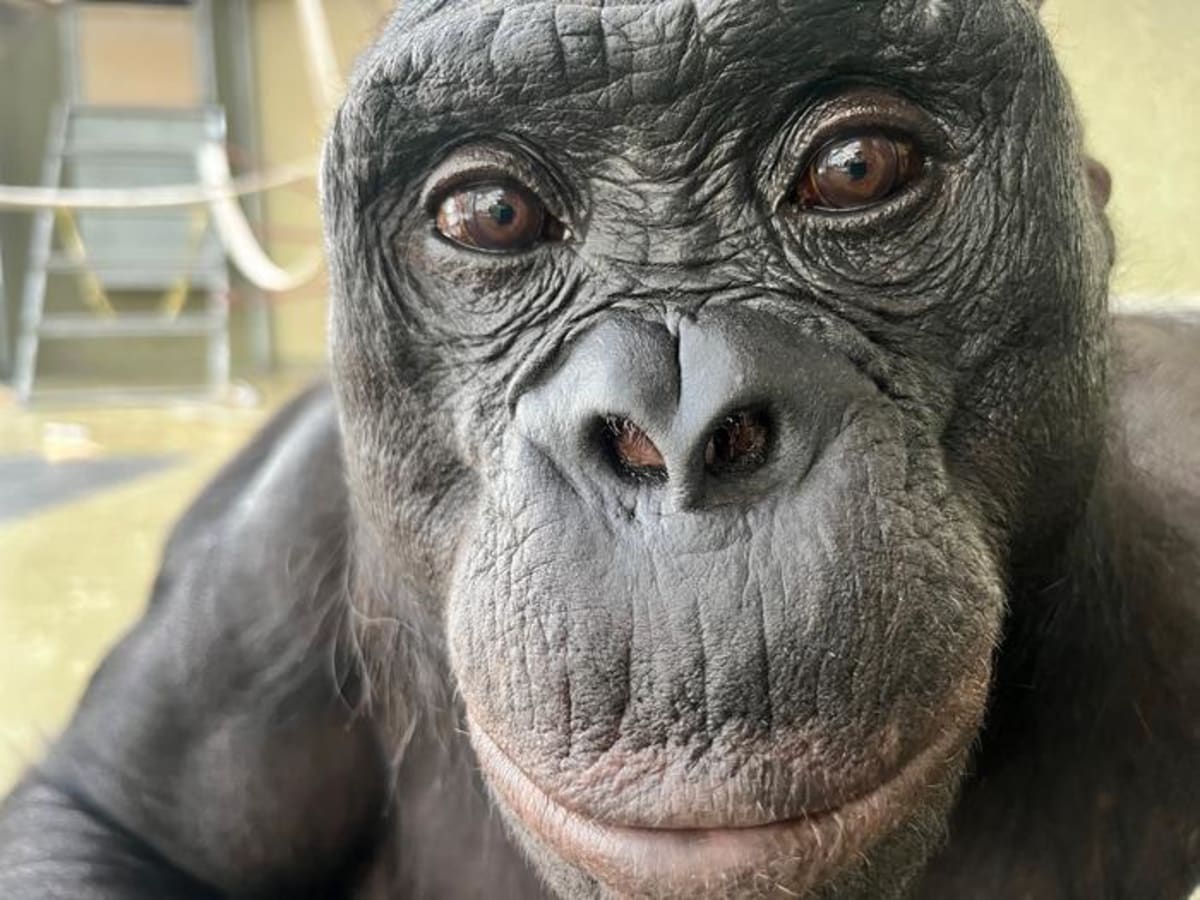
A bonobo who could use symbols to communicate just proved that imagination isn't uniquely human. Kanzi tracked pretend juice and grapes in experiments, showing that great apes may have been imagining things for millions of years.
📺 Watch the full story above
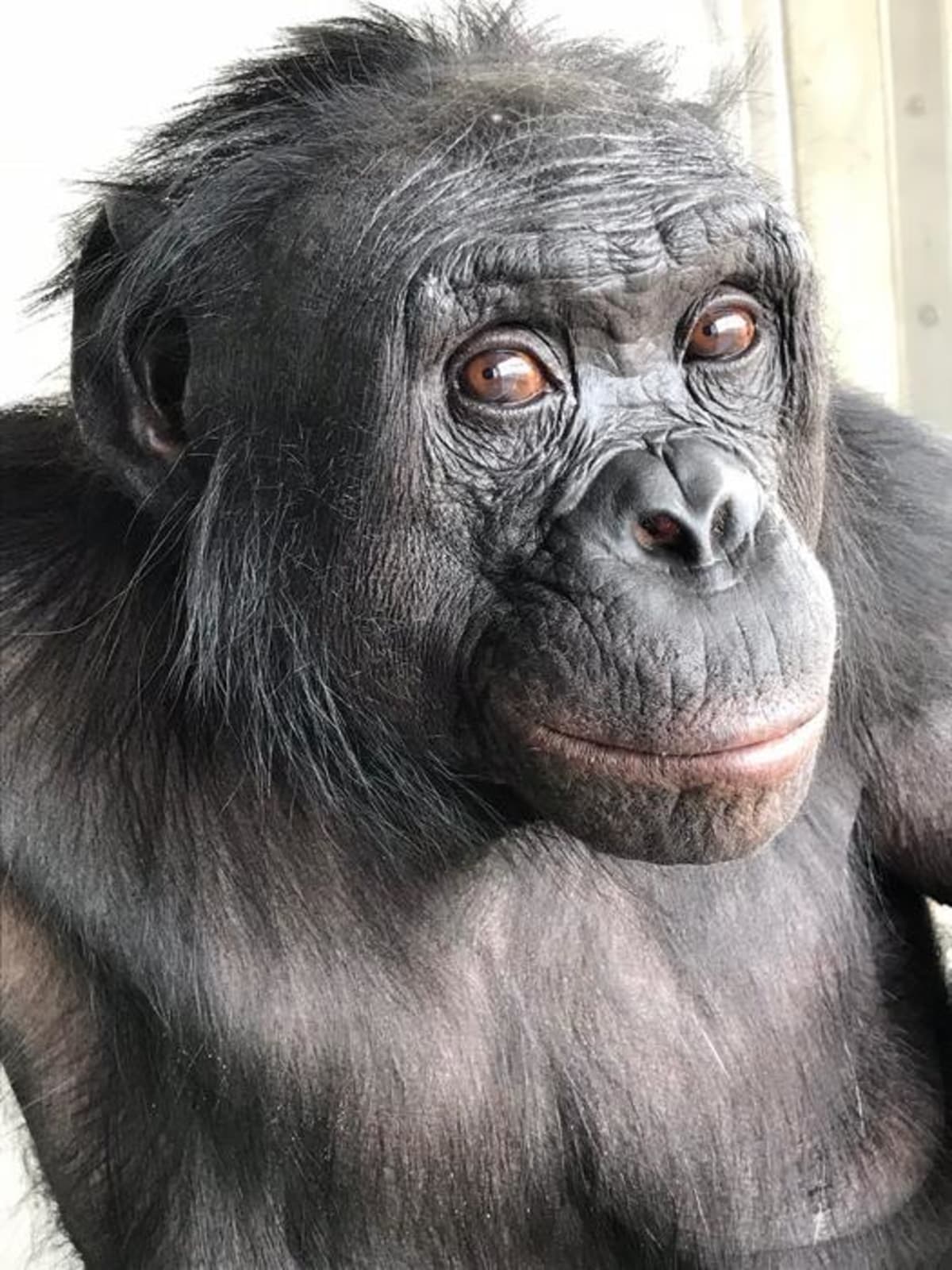
A bonobo named Kanzi could do something scientists thought only humans could do: play pretend and know he was doing it.
In groundbreaking experiments at Johns Hopkins University, Kanzi successfully identified and tracked imaginary objects across multiple tests. When researchers pretended to pour juice into two clear cups and then dumped one out, Kanzi consistently pointed to the cup that still held the pretend liquid.
This marks the first time imagination has been demonstrated in a nonhuman animal under controlled scientific conditions. The discovery suggests that the mental ability to imagine things may stretch back 6 to 9 million years to the common ancestor humans share with great apes.
Kanzi lived at Ape Initiative, a research center in Des Moines, Iowa, where he had learned to communicate using more than 300 symbols linked to words. He could also understand spoken English, making him an ideal subject for testing whether apes can imagine.
The experiments got more sophisticated to rule out other explanations. In one test, researchers offered Kanzi a choice between real juice and a cup with pretend juice. He chose the real juice 78% of the time, proving he understood the difference between reality and imagination.
A third experiment repeated the concept with grapes and got similar results. Kanzi could hold an idea of something pretend in his mind while simultaneously knowing it wasn't real.
"It really is game-changing that their mental lives go beyond the here and now," said Christopher Krupenye, an assistant professor at Johns Hopkins who co-authored the study published in Science. The findings challenge long-held beliefs about what makes humans special.
Human children start showing pretend play around age two. Researchers have seen hints of similar behavior in wild chimps, like young females cradling sticks as if they were babies, but those observations were never tested scientifically until now.
Not everyone is convinced the explanation is so straightforward. Some scientists wonder if Kanzi might have been responding to simpler cues, like which cup the researcher touched most recently, rather than truly tracking imaginary objects.
Why This Inspires
This discovery opens a window into the rich inner lives of our closest relatives. If bonobos can imagine, what other mental experiences might they have that we've been overlooking?
The research team hopes to test other apes, including those without Kanzi's extensive language training, to see if imagination is widespread among great apes. Understanding that these creatures have complex mental worlds gives us even more reason to protect them and their rapidly disappearing habitats.
Kanzi died in March 2025 at age 44, but his legacy lives on in what he taught us about the beautiful complexity of animal minds.
More Images


Based on reporting by Mongabay
This story was written by BrightWire based on verified news reports.
Spread the positivity!
Share this good news with someone who needs it