Botball Gives 1M+ Students Equal Shot at Robotics Glory
A robotics program levels the playing field by giving every student the same box of parts, turning coding into a second language for kids as young as elementary school. Girls now make up 55% of participants, shattering the typical STEM gender gap.
📺 Watch the full story above
What if every student, regardless of their school's budget, had an equal shot at mastering robotics and coding? That's exactly what Botball has been doing for over a million students nationwide, and the results are reshaping how we think about STEM education.
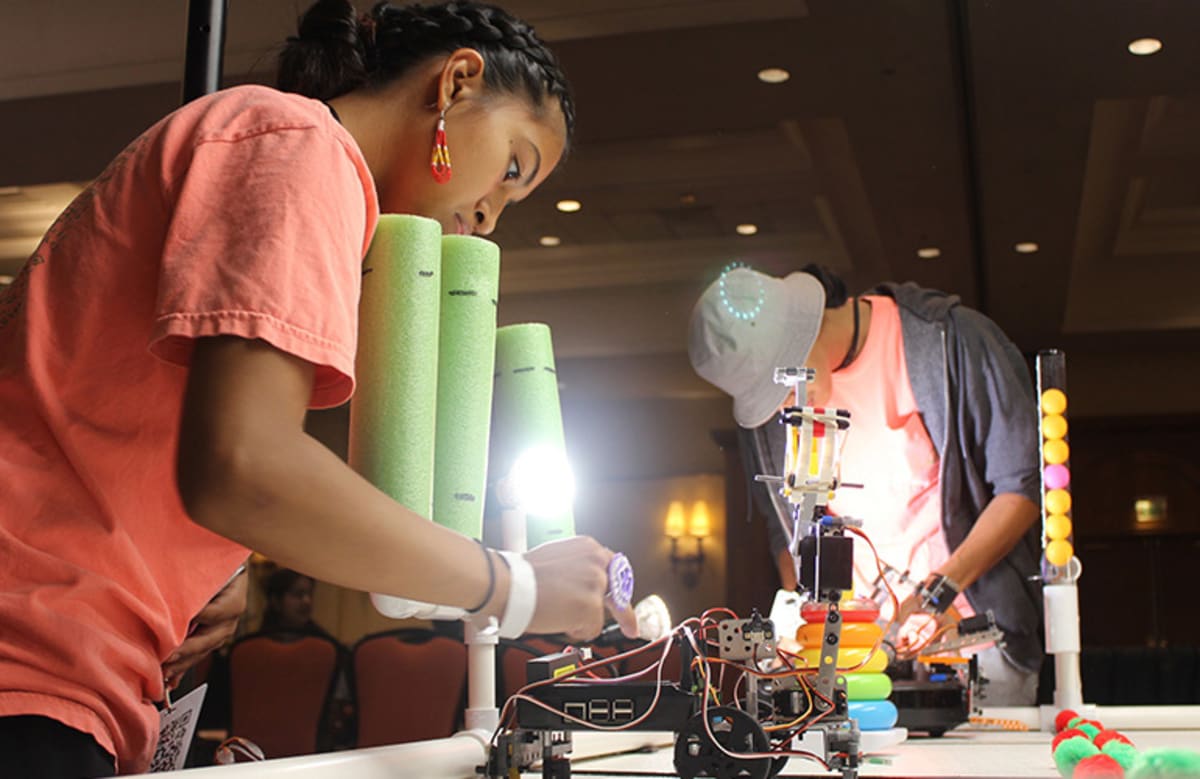
The program's secret is brilliantly simple: every team gets identical parts. Students can't buy better components or rely on fancy equipment, which means success comes down to clever code and creative engineering, not a school's bank account. When competition day arrives, adults step completely out of the pit area, leaving students to manage everything from debugging code to fixing mechanical issues.
Steve Goodgame, executive director of the KISS Institute for Practical Robotics, saw an opportunity to bring university-level robotics rigor to younger students. His team discovered something surprising when they tested real programming languages with elementary students. Kids picked up text-based languages like C and Python as naturally as learning to read, treating code like a second language during their crucial language-learning years.
The Junior Botball Challenge takes this even further with an innovative twist: up to five students can program different segments of code on a single robot simultaneously. Instead of the old assembly line model where one kid builds, another codes, and a third manages, every student becomes a polymath who understands both mechanics and software. The program includes a physics-based simulator where students can test designs virtually, learning to "fail fast" without fear of breaking physical equipment.
The Ripple Effect
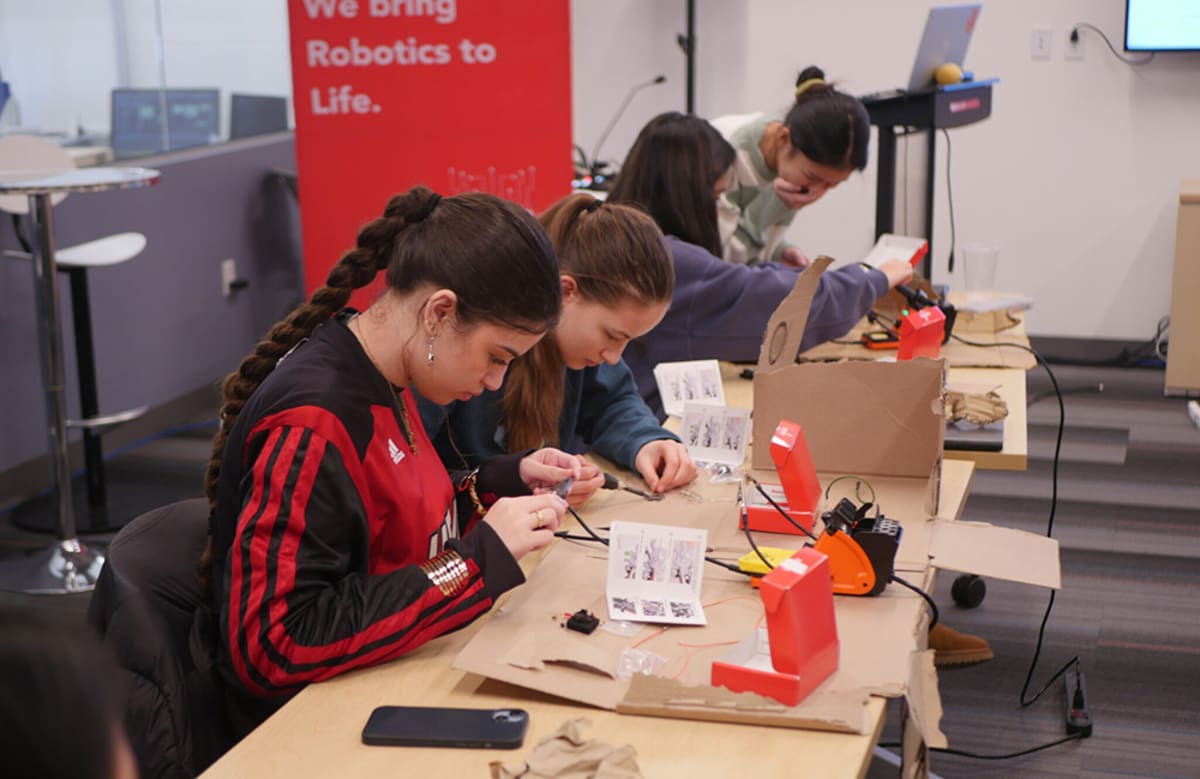
The classroom integration approach is transforming who participates in robotics. Traditional competitive robotics programs hover around 30% female participation, but Junior Botball classrooms reach 55% because the program fits into the regular school day rather than requiring after-school commitment. That's thousands more girls building confidence in STEM fields before stereotypes take hold.
Every robot must run completely autonomously for two minutes, starting only with a light sensor. This constraint forces students to think critically, solve problems collaboratively, and take full ownership of their work from conception to competition. They're not just building robots; they're learning to adapt and master new tools, a skill they'll need throughout their lives.
The program proves that when you remove financial barriers and outdated teaching models, kids rise to the challenge regardless of zip code or gender. Students who never thought they belonged in tech are now writing real code, debugging complex systems, and discovering they're capable of far more than anyone expected.
More Images



Based on reporting by The Robot Report
This story was written by BrightWire based on verified news reports.
Spread the positivity!
Share this good news with someone who needs it