Brazil Milk Plant Saves 46M Gallons of Water Per Year
A Brazilian Nestlé factory turned dairy production waste into a resource, saving enough water annually to fill 70 Olympic pools. The innovative system cut costs while moving the company closer to zero waste.
📺 Watch the full story above
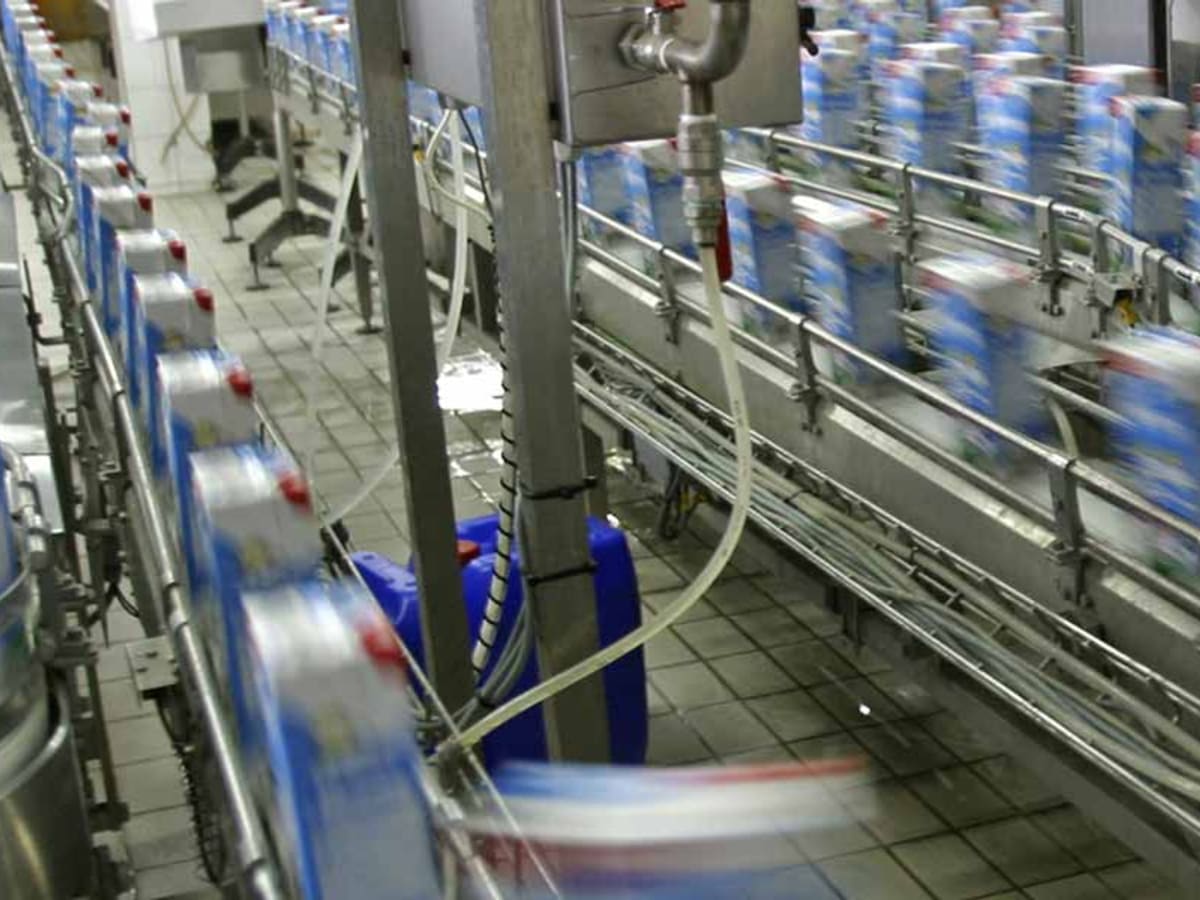
A milk production plant in southeastern Brazil just proved that one factory's wastewater can become another process's lifeline.
Nestlé challenged its suppliers to find ways to slash water use and energy consumption at its powdered milk facility. The stakes were high: as the world's largest food and beverage company, Nestlé committed to achieving zero waste across all operations.
The plant had a specific problem. Producing powdered milk generates condensate organic water, a byproduct that was simply being discarded. Plant managers knew this stream represented gallons upon gallons of potential savings, but they needed an economically viable way to capture and reuse it.
Water technology company Nalco Water stepped up with a solution that seemed almost too simple. Instead of treating the condensate water as waste, why not use it to feed the cooling towers that keep the plant running?
The execution required custom engineering. Nalco Water mapped the entire facility's water flows, then designed specialized pretreatment and heat recovery systems. They installed monitoring technology that tracks water quality in real time, ensuring the reclaimed water meets the exact specifications needed for cooling operations.
Six months after approval, the results started rolling in. The system now saves 175,000 cubic meters of water every year. That's roughly 46 million gallons, enough to supply a small town.
The environmental wins extend beyond water. The plant slashed energy consumption by 14,500 gigajoules annually by recovering heat that would otherwise escape into the atmosphere. Carbon emissions dropped by 496 metric tons. The facility eliminated 25,000 cubic meters of wastewater that previously flowed into treatment systems.
The Ripple Effect
This single plant's transformation delivers $253,000 in annual savings while dramatically reducing its environmental footprint. But the real impact reaches further than one balance sheet.
The success provides a replicable model for food production facilities worldwide. Dairy plants from Wisconsin to New Zealand face similar challenges with water-intensive processes. Each site that adopts circular water solutions multiplies the global impact.
Nestlé's supplier challenge sparked innovation that turns waste into value, proving sustainability and profitability can flow from the same source.
Based on reporting by Regional: brazil success innovation (BR)
This story was written by BrightWire based on verified news reports.
Spread the positivity!
Share this good news with someone who needs it