California Family Turns Trash Plastic Into Desks for Africa
A California nonprofit is stopping hard-to-recycle plastics from becoming toxic waste by transforming them into furniture, keychains, and even school desks for kids in Malawi. The Schick family's innovation is solving two problems at once: preventing microplastic pollution and creating useful products.
📺 Watch the full story above
In San Carlos, California, the Schick family is keeping thousands of pounds of plastic out of landfills by giving it a second life as something beautiful and useful.
Nick Schick and his parents David and Andrea run Peninsula Precious Plastics, a nonprofit that rescues thermoplastics, the hard-to-recycle polymers found in products like food containers and electronics. Unlike water bottles that can be easily recycled, thermoplastics have nowhere to go but the dump, where they break down into microplastics that poison soil, water, and eventually our bodies.
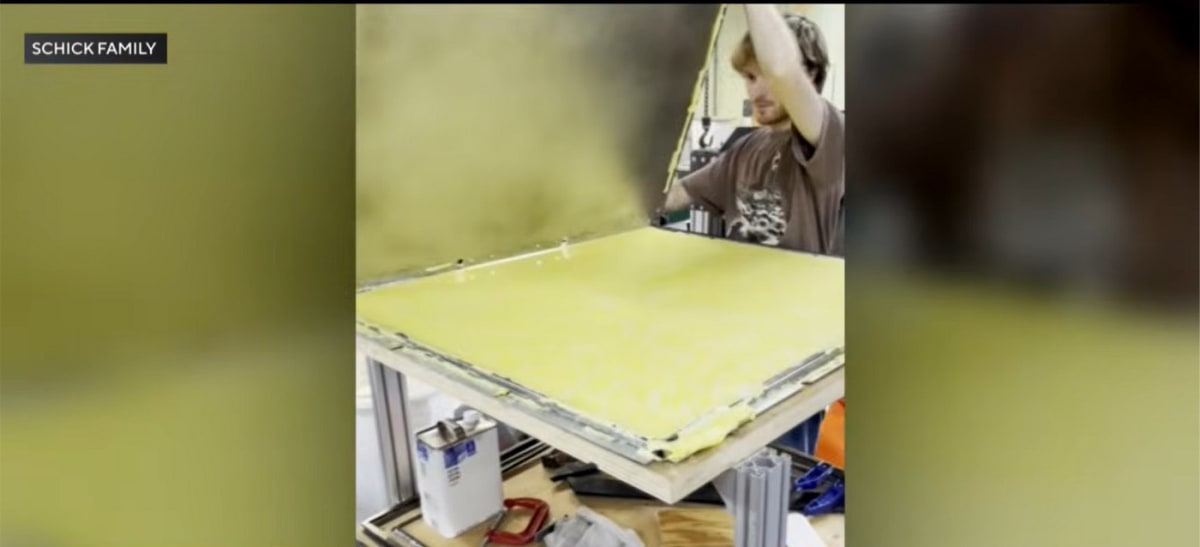
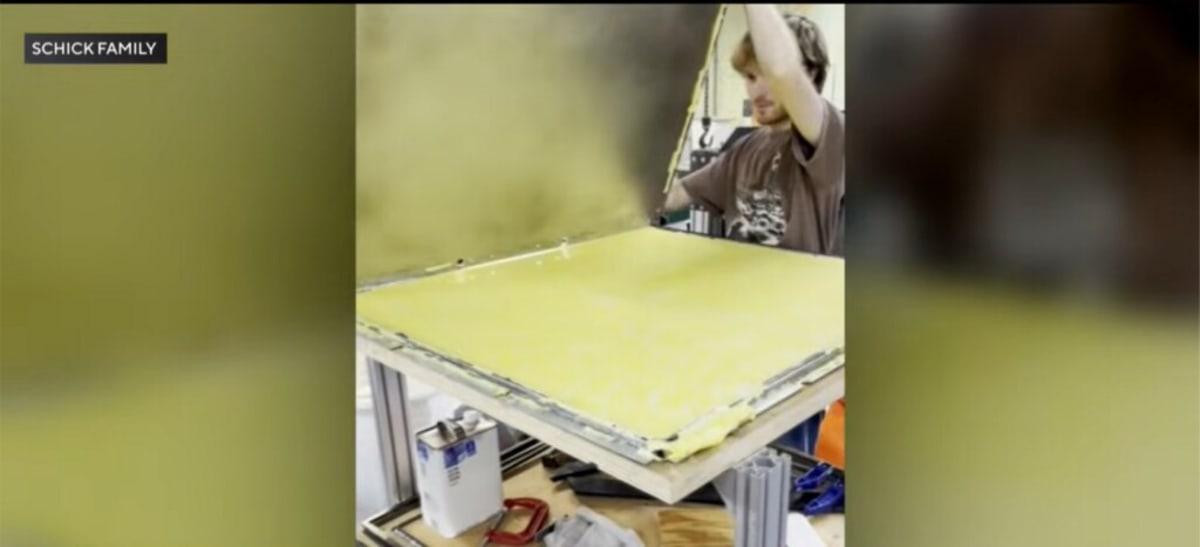
The Schicks found a better solution. They collect these unwanted plastics through community partnerships, shred them into small granules, then heat-press them in molds to create brand new objects like furniture, combs, clipboards, and keyrings.
"We're rehoming the plastic so it doesn't end up in places we don't want," Nick told CBS News. The workshop keeps the plastic sequestered in useful forms instead of letting it become environmental toxins.
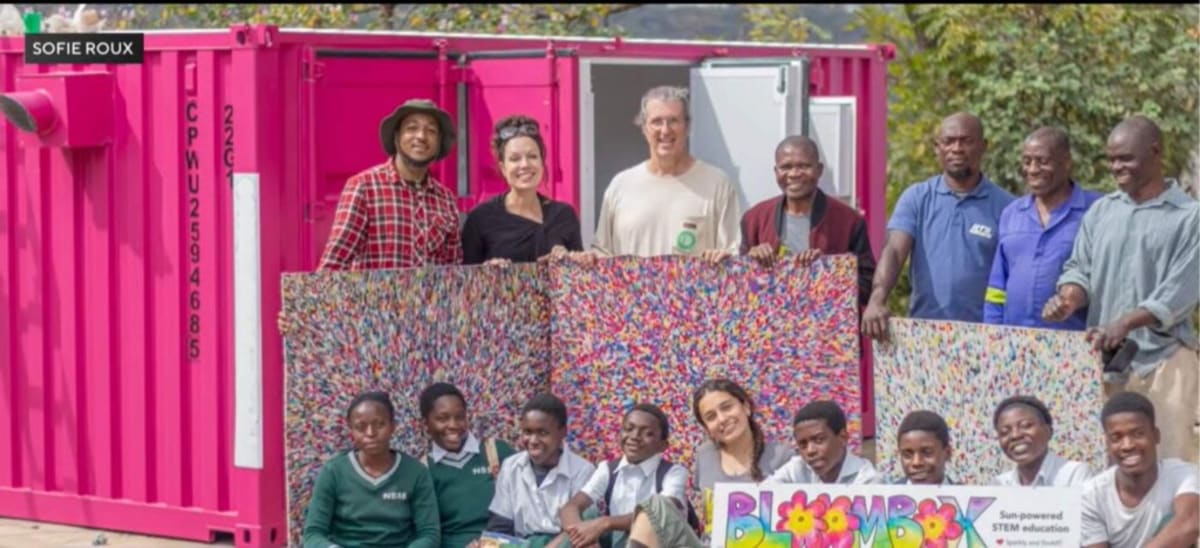
But the family's impact extends far beyond California. When Sofie Roux approached them about creating desks for solar-powered classrooms in Malawi, the Schicks didn't just ship finished products. They sent press machines and expertise, with David flying to Africa to help install the equipment and train locals to make their own desks from Malawian plastic waste.
"We get these incredible students, engineers, artists, and out-of-the-box thinkers who come up with ideas to reduce plastic waste," Andrea said. The collaboration turned a California solution into a global model.
The Ripple Effect
What started as one family's mission to tackle local waste has sparked an international movement. By sharing their open-source technology, the Schicks are helping communities worldwide transform their plastic problem into a resource. Kids in Malawi now sit at desks made from local waste, learning in classrooms powered by the sun.
The model proves that environmental solutions work best when they're practical, community-driven, and designed to spread. Each desk, clipboard, and keychain represents plastic that will never poison a watershed or end up in someone's drinking water.
Communities near San Carlos can join the effort by donating hard-to-recycle plastics or volunteering at the workshop. For everyone else, the Schicks offer proof that creative thinking and community collaboration can turn our biggest waste challenges into opportunities for positive change around the world.
More Images


Based on reporting by Good News Network
This story was written by BrightWire based on verified news reports.
Spread the positivity!
Share this good news with someone who needs it