Cat Stationmaster Saved Japanese Railway, Earned $9M
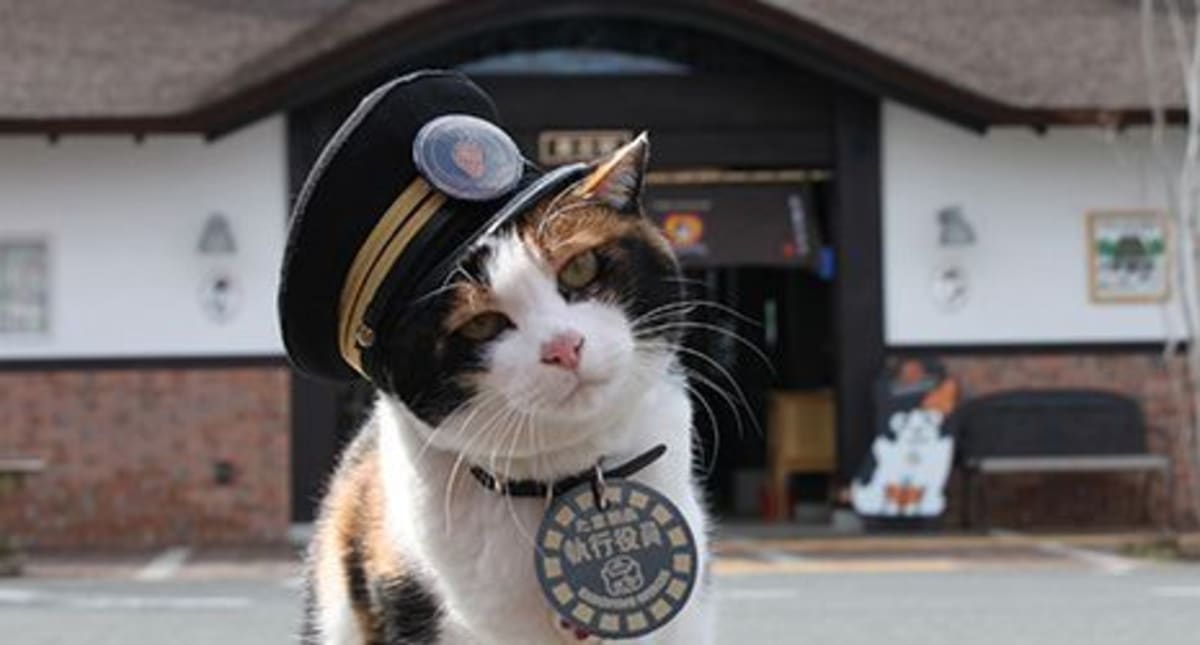
A calico cat named Tama became Japan's first railway stationmaster in 2007 and single-handedly saved a struggling train line from closure. Her appointment boosted ridership by 17% and brought $9 million into the local economy in her first year alone.
📺 Watch the full story above
When a rural Japanese railway station faced closure in 2006, nobody expected its savior to arrive on four paws.
Tama, a calico cat living at Kishi Station in Kinokawa, Japan, was officially named stationmaster on January 5, 2007. Railway president Mitsunobu Kojima saw her as a lucky charm and gave her the job after the station eliminated all human staff to cut costs.
Her duties were simple: greet passengers while wearing a custom-made stationmaster hat. Her salary came entirely in cat food, plus a gold name tag stating her position.
The results were anything but simple. Passenger traffic jumped 17% in her first month compared to the previous year, and ridership continued climbing.
A study found that Tama's celebrity status pumped 1.1 billion yen (about $9 million) into the local economy during her first year. She became the face of "Nekonomics," a Japanese term describing the economic boost that cat mascots bring to businesses and communities.
By January 2008, Tama earned a promotion to "super stationmaster," making her the only female manager in the entire company. Railway officials gave her an office in a converted ticket booth, complete with a litter box and an upgraded name tag.
The Ripple Effect
Tama's success transformed more than just balance sheets. The struggling Kishigawa Line went from near closure to a tourist destination, drawing visitors from across Japan and around the world who wanted to meet the famous feline stationmaster.
Her story sparked a movement. Other Japanese businesses began appointing animal mascots, realizing that a little warmth and whimsy could create genuine economic impact while bringing joy to communities.
When Tama passed away in June 2015 at age 16, approximately 3,000 people attended her Shinto-style funeral. Railway officials elevated her to goddess status in the ceremony, honoring the cat who had given their community hope when they needed it most.
Today, Kishi Station remains a thriving destination, proving that sometimes the smallest employees can make the biggest difference.
Based on reporting by Google News - World Record
This story was written by BrightWire based on verified news reports.
Spread the positivity!
Share this good news with someone who needs it