Cave Bacteria Could Target Cancer Cells Without Side Effects
Scientists at Utah State University discovered a CRISPR tool from cave bacteria that kills cancer cells while leaving healthy tissue untouched. Early tests in mice show it works by recognizing cancer's genetic signature from the inside out.
📺 Watch the full story above
Scientists just found a potential cancer treatment in one of Earth's most unexpected places: the immune system of cave bacteria.
Researchers at Utah State University uncovered a new CRISPR technology called Cas12a2 that can identify and destroy cancer cells while ignoring healthy ones. Unlike chemotherapy, which kills both cancerous and healthy cells, this tool targets only what needs to go.
"The holy grail of any therapy is the ability to manipulate one thing, but not everything," said Ryan Jackson, the USU biochemistry professor who led the discovery. "Our data suggests we have discovered that."
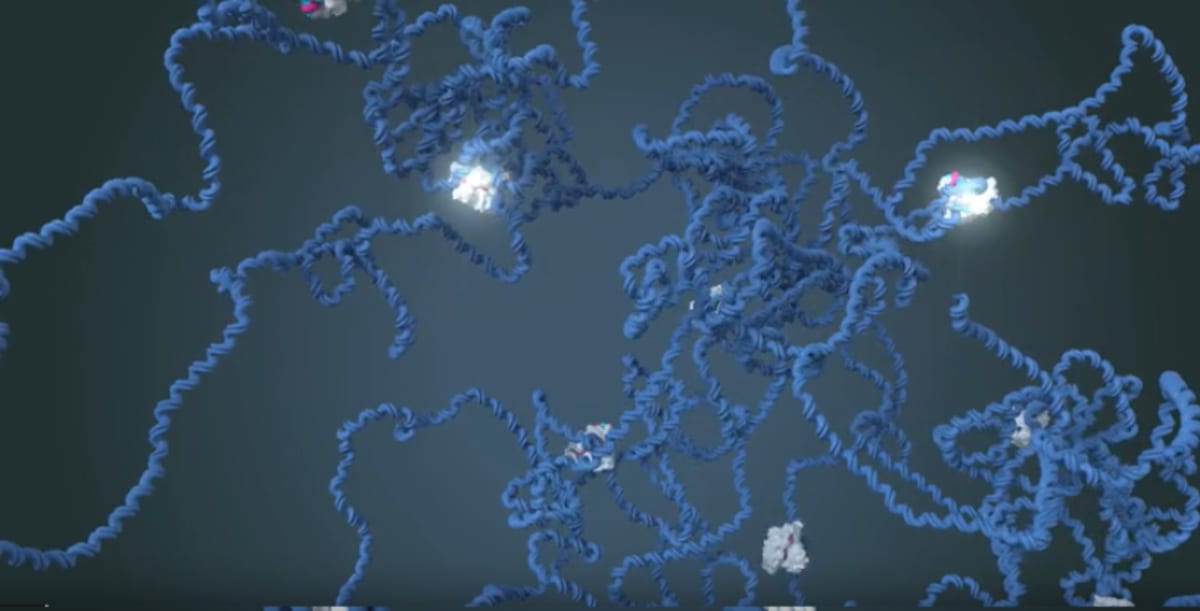
Jackson's team found Cas12a2 while studying how bacteria defend themselves against viruses. In nature, bacteria use CRISPR as an immune system, keeping genetic records of past invaders and deploying specialized proteins to attack them when they return.
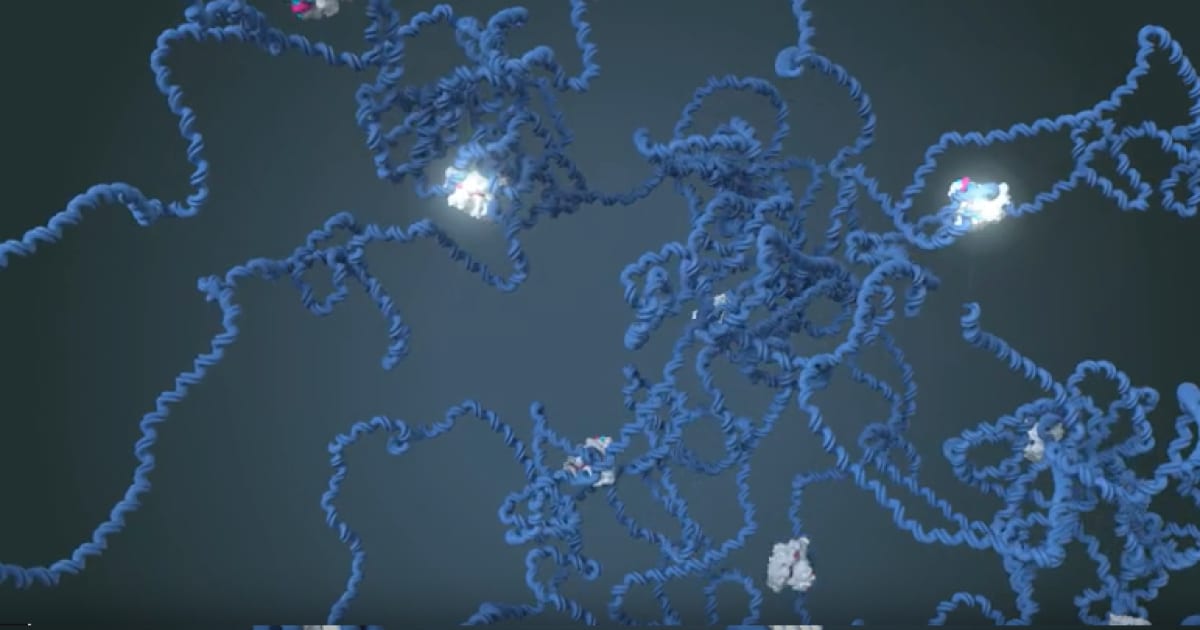
What makes Cas12a2 special is how it works. When it detects cancer's genetic signature, it activates and shreds the cell's DNA. When it enters healthy tissue without that signature, it simply shuts off and breaks down harmlessly.
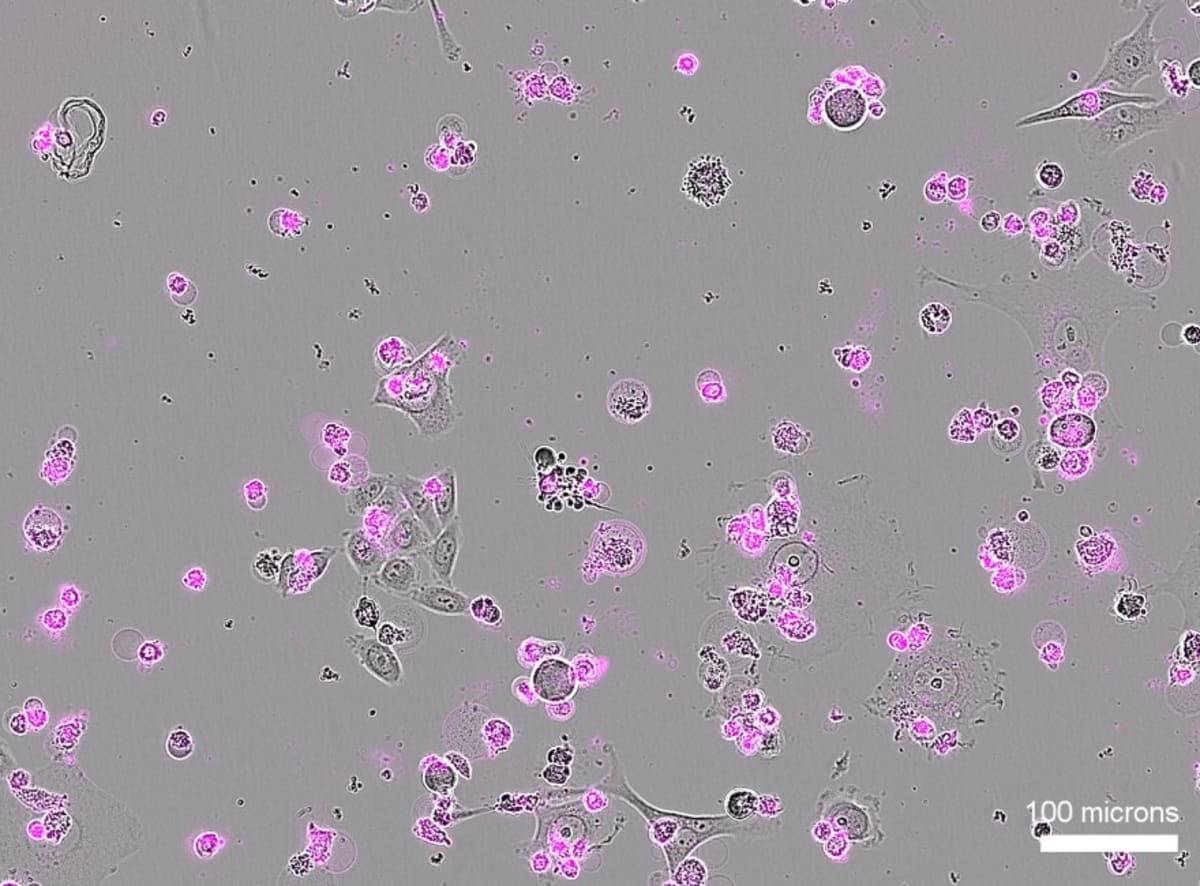
The team already tested it in mice using human cancer cells. They designed the system to recognize RNA from patient-derived cancer cells, then injected it into mice carrying those cells. The treatment killed the cancer while leaving surrounding tissue alone.
The Bright Side
This discovery matters because cancer cells look nearly identical to healthy cells from the outside, making them incredibly difficult to target. Cas12a2 solves that problem by reading what's happening on the inside instead.
"We're going after that genetic difference that makes it cancer," Jackson explained.
The technology is still young. Jackson's team is now testing it on tissue taken directly from cancer patients, not just lab-grown cell lines. They're partnering with researchers at the Huntsman Cancer Institute at University of Utah to move the work forward.
Human trials are still years away, but Jackson remembers the moment his team confirmed what Cas12a2 could do. "I thought I felt like I was on drugs," he said. "It was very euphoric, and my son has an autoimmune disease. It just opened up new possibilities."
Those possibilities came from cave bacteria nobody expected to hold answers to one of medicine's biggest challenges.
More Images

Based on reporting by Google News - Cure Discovery
This story was written by BrightWire based on verified news reports.
Spread the positivity!
Share this good news with someone who needs it