Central Asia Creates Aral Sea Day to Fight Climate Crisis
Five Central Asian nations just declared March 26 as International Day of the Aral Sea, uniting to save one of the world's worst environmental disasters. With over $2 billion in active restoration projects, the region is turning decades of decline into measurable hope.
📺 Watch the full story above
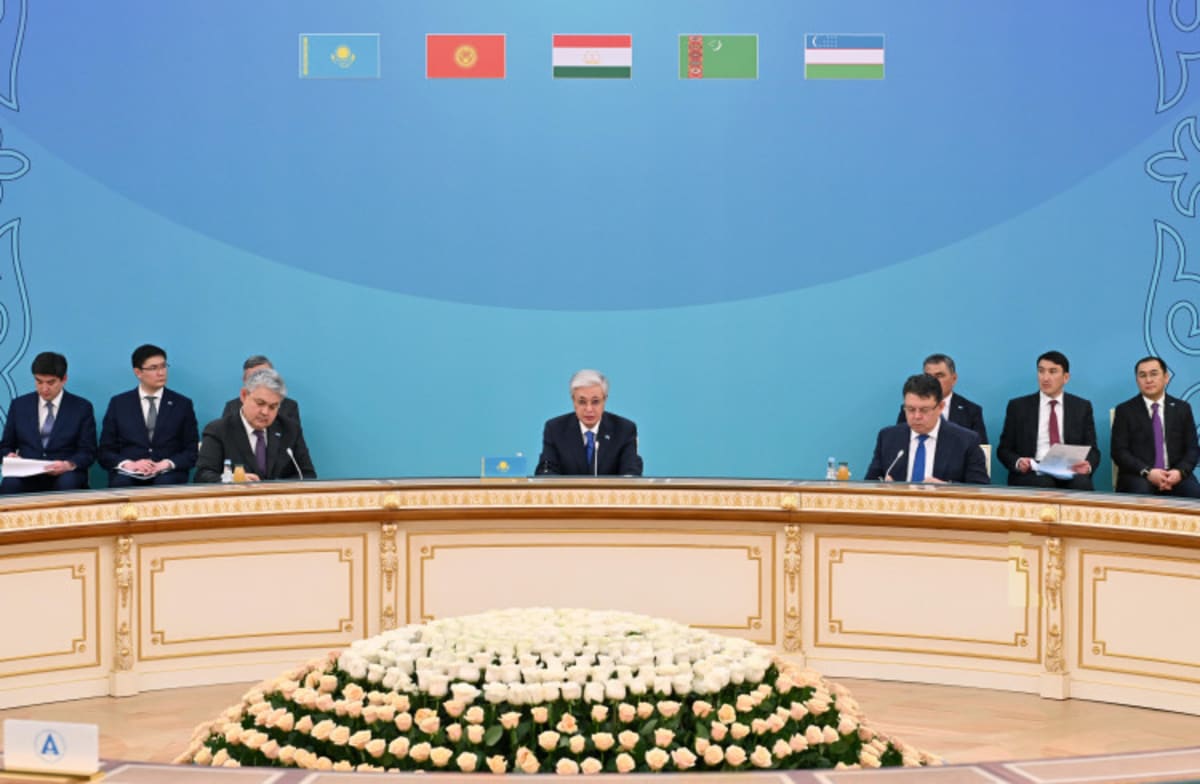
The leaders of five nations stood together in Astana on April 22 with a unified message: the Aral Sea crisis will not define their future.
Kazakhstan, Kyrgyzstan, Tajikistan, Turkmenistan, and Uzbekistan declared March 26 as the International Day of the Aral Sea and its river systems. The symbolic date marks a turning point for a region where the once-massive sea has shrunk dramatically over decades, creating the toxic Aralkum desert that now spreads salt and pollutants across thousands of miles.
President Kassym-Jomart Tokayev of Kazakhstan warned that temperatures have risen 2 to 2.5 degrees Celsius in the region, worsening droughts and dust storms. But he also shared what's working: more than 30 regional projects worth over $2 billion are already underway to restore ecosystems and improve water management.
The North Aral Sea offers proof that comeback is possible. Water volume there has increased from 18.9 to 23.5 cubic kilometers, bringing fish populations back and improving local livelihoods. What seemed like permanent environmental death is now breathing again.
The five nations agreed to strengthen the International Fund for Saving the Aral Sea as their central coordination platform. They're digitalizing water monitoring systems and automating irrigation sites along the Syr Darya river, with plans to expand the technology across both major river basins. Kazakhstan and Uzbekistan have already automated ten sites together.
The leaders acknowledged hard truths: more than 80% of water goes to agriculture, with massive losses in outdated irrigation systems. Glaciers in the Tien Shan and Pamir mountains are shrinking, threatening future water security. The challenges remain enormous.
The Ripple Effect
This cooperation extends far beyond Central Asia. Millions of tons of dust from the Aralkum desert travel across continents each year, affecting air quality and health in distant regions. When Central Asia heals its land, the benefits spread globally.
The summit produced concrete action, not just promises. Leaders signed agreements on shared governance, proposed a regional water framework convention aligned with international standards, and adopted the Astana Declaration outlining their collaboration roadmap. They're treating water as a shared challenge rather than a competition.
International organizations are joining the effort, expanding partnerships that bring expertise and resources. The region's chairmanship of the fund has already strengthened cooperation in water and energy sectors, proving that neighboring nations can overcome historical tensions when facing existential threats together.
Five countries that share rivers, borders, and climate threats just chose cooperation over conflict. That choice is already refilling seas and restoring hope.
Based on reporting by Google: cooperation international
This story was written by BrightWire based on verified news reports.
Spread the positivity!
Share this good news with someone who needs it