China Catches Rocket in Net, Joins Space Reuse Club
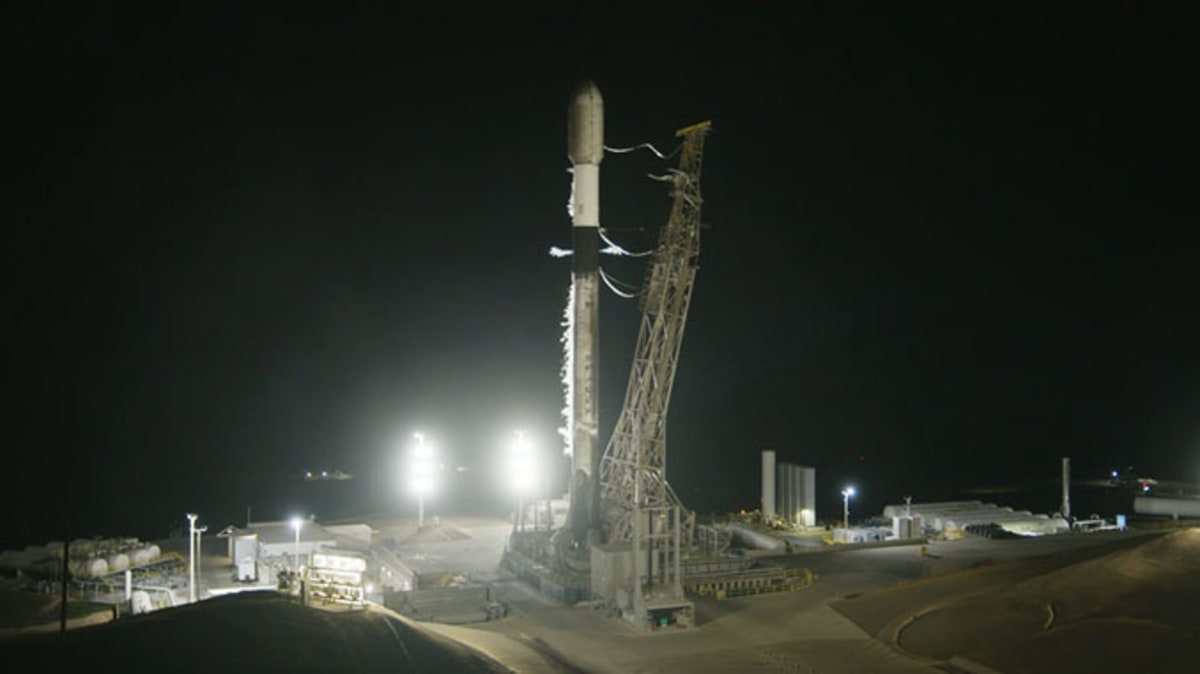
China just became the second country ever to successfully recover a reusable rocket booster, catching it mid-air with a giant net anchored at sea. The breakthrough moves China closer to affordable, sustainable space travel.
📺 Watch the full story above
China just pulled off something only one other country has managed: catching a falling rocket out of the sky and bringing it home in one piece.
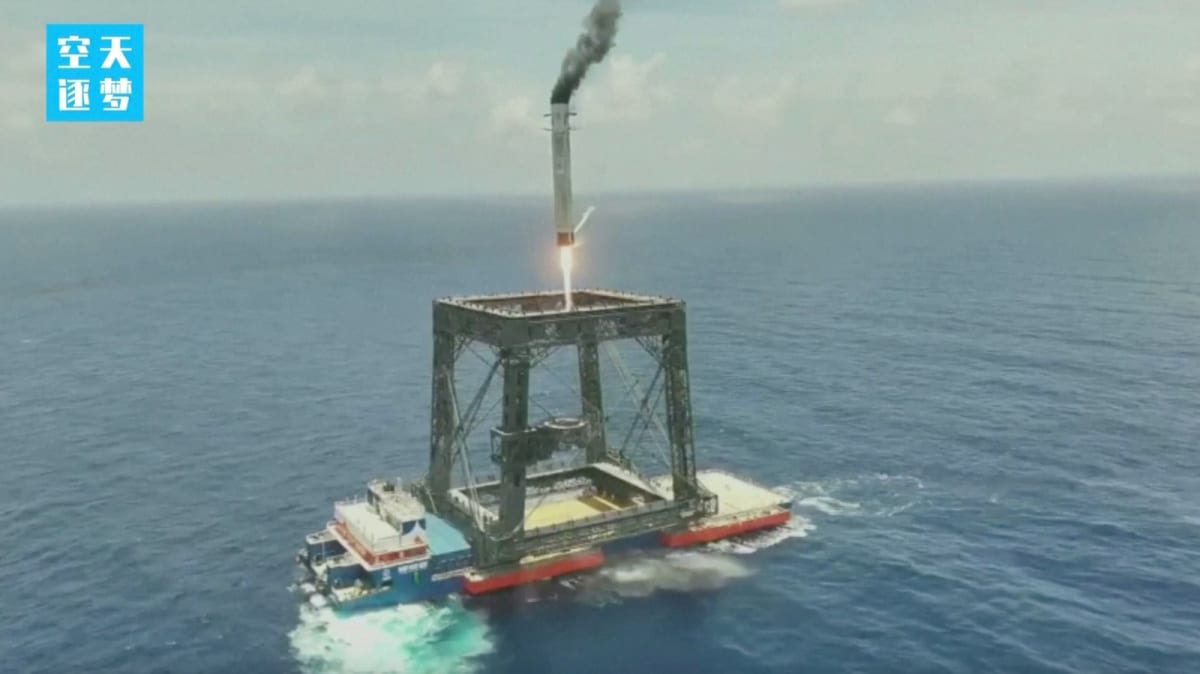
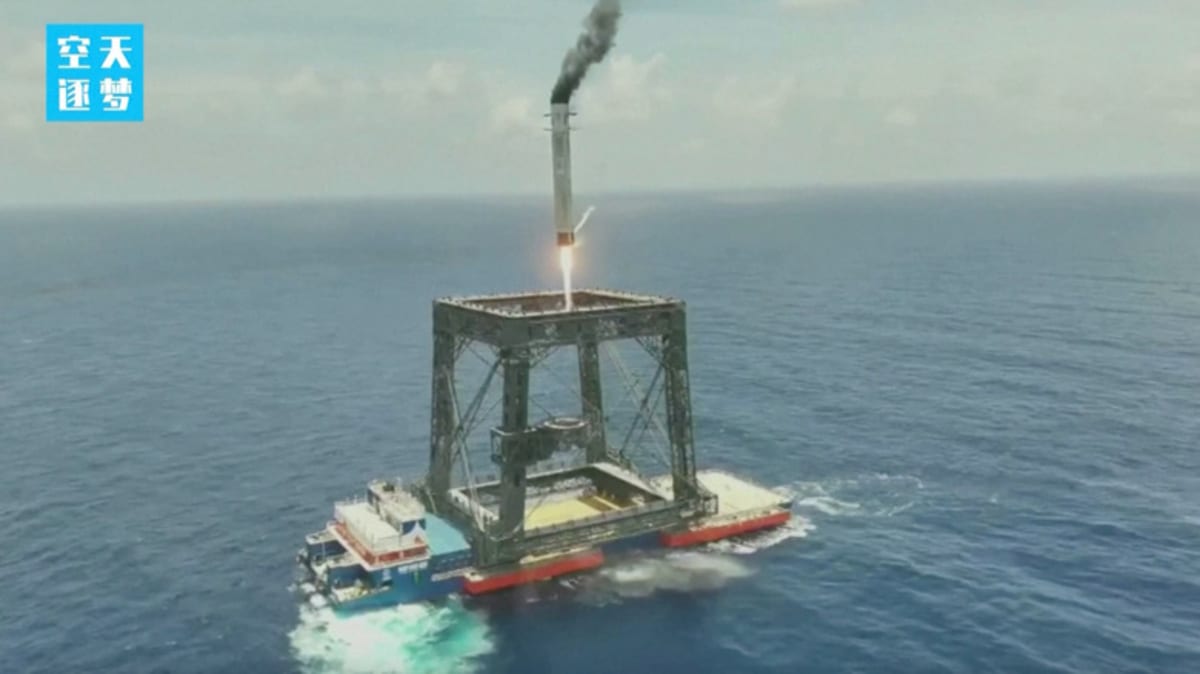
The Long March 10B rocket booster descended gracefully into a massive net anchored at sea on July 10, 2026, marking a huge leap forward for China's space program. Engineers at the China Academy of Launch Vehicle Technology cheered as their novel hook-and-net system snagged the booster on its very first flight.
Unlike SpaceX's Falcon 9 rockets that land on retractable legs, China designed something completely new. The Long March 10B uses hooks that catch onto a net, a world first approach to rocket recovery. Video footage shows the booster descending under its own power before the engines cut and the grappling system catches it intact.
The innovation matters because reusable rockets dramatically cut the cost of reaching space. Instead of building a new multimillion-dollar booster for every launch, space agencies can refurbish and refly the same hardware. China plans to reuse this exact booster before the end of 2026.
China's state television CCTV called it a "historic breakthrough" that will accelerate the country's space capabilities. The successful catch puts China in an exclusive club with the United States, which pioneered rocket reusability through SpaceX's groundbreaking landing technology.
The timing aligns with China's ambitious goal to become a major space power by 2030. While the country still trails the US in total launches (92 Chinese attempts versus 193 US launches in 2025), innovations like net-caught boosters could help close that gap.
Why This Inspires
This achievement shows how competition in space exploration drives creative problem solving. China didn't just copy existing landing methods. They invented an entirely new way to bring rockets home safely.
The success also means more countries will gain affordable access to space for satellites, research, and exploration. When launching costs drop, more scientists can send experiments to orbit, more communities can access satellite internet, and more students can dream of careers among the stars.
Every nation that masters reusable rocket technology brings humanity one step closer to sustainable space travel. Today's net catch might seem like a technical feat, but it represents something bigger: our species learning to reach beyond Earth without leaving mountains of expensive debris behind.
The rocket that flew today will fly again before 2027 ends, proving that the future of space isn't just about reaching higher but about coming back smarter.
More Images



Based on reporting by Engadget
This story was written by BrightWire based on verified news reports.
Spread the positivity!
Share this good news with someone who needs it