FLASH Radiation Treats Cancer 1,000x Faster With No Pain
A groundbreaking cancer treatment delivers radiation in a fraction of a second instead of minutes, eliminating pain for 75% of patients with bone cancer near vital organs. The University of Cincinnati trial showed zero serious side effects.
📺 Watch the full story above
Cancer patients with tumors near their heart and lungs just got a faster, gentler treatment option that's changing what's possible in radiation therapy.
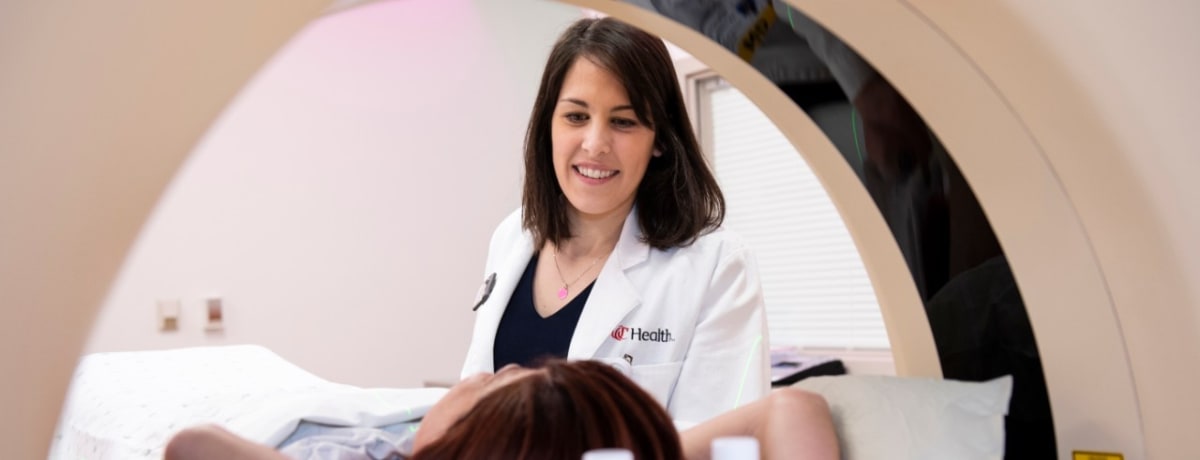
Researchers at the University of Cincinnati Cancer Center successfully treated 10 patients using FLASH radiation therapy, which delivers treatment in under a second instead of several minutes. That's up to 1,000 times faster than traditional radiation.
The FAST-02 clinical trial focused on patients whose cancer had spread to bones in the chest, including ribs, collarbones, and shoulder blades. These locations made the trial especially challenging because they sit dangerously close to the heart, lungs, and spinal cord.
The results exceeded expectations. Three-quarters of patients reported complete pain relief at the treated site three months after receiving FLASH therapy. Not a single patient experienced cancer recurrence at the treatment location during follow-up.
"The significance of FAST-02 lies in our treatment sites being bone metastases within the thorax, which places them near the lungs, heart and spinal cord," said Dr. Emily Daugherty, the study's lead investigator and radiation oncologist at UC Health. The trial showed FLASH effectively controlled pain with minimal side effects and zero serious adverse events.
The safety profile impressed researchers. No moderate or severe radiation-related complications appeared during follow-up periods. The most common side effect was mild, temporary skin changes that healed on their own.
This second trial builds on the team's earlier FAST-01 study, which proved FLASH worked safely for bone metastases in arms and legs. By moving closer to vital organs, researchers demonstrated the therapy's potential for treating deeper, more complex tumors.
The Cincinnati collaboration brought together the University of Cincinnati, Cincinnati Children's Hospital, Varian Medical Systems, and UC Health. Their combined expertise made it possible to test proton beam radiation at speeds previously thought impossible in clinical settings.
The Ripple Effect
FLASH therapy represents more than faster treatment times. Patients spend less time on treatment tables, experience less anxiety, and recover with fewer complications. For cancer patients already facing difficult odds, reducing treatment from minutes to milliseconds while maintaining effectiveness transforms the entire care experience.
The technology also opens doors for treating tumors near sensitive organs that doctors previously approached with extreme caution. If FLASH continues proving its safety near the heart and lungs, it could expand treatment options for thousands of patients whose cancers were previously considered too risky for aggressive radiation.
One treatment, one second, and real relief for people who need it most.
Based on reporting by Google News - New Treatment
This story was written by BrightWire based on verified news reports.
Spread the positivity!
Share this good news with someone who needs it