Hawaii Slashes Energy Costs With Smart EV Charging Strategy
Hawaii is turning electric vehicles into a solution for its biggest grid challenge by charging them when solar power is abundant. The shift could cut peak demand by 320 megawatts and make clean energy work better for everyone.
📺 Watch the full story above
Hawaii's shift to clean energy just got smarter, and your electric car is the key.
The island of Oahu faces a puzzle that many solar-powered communities share. Solar panels produce tons of electricity at noon when the sun blazes overhead, but most people need power in the evening when they get home from work. That mismatch has forced utilities to build expensive batteries and backup systems that only run a few hours each day.
Now Hawaii is flipping the script with a beautifully simple solution. Instead of fighting the solar schedule, they're working with it by encouraging people to charge electric vehicles during the day when solar power is plentiful and cheap.
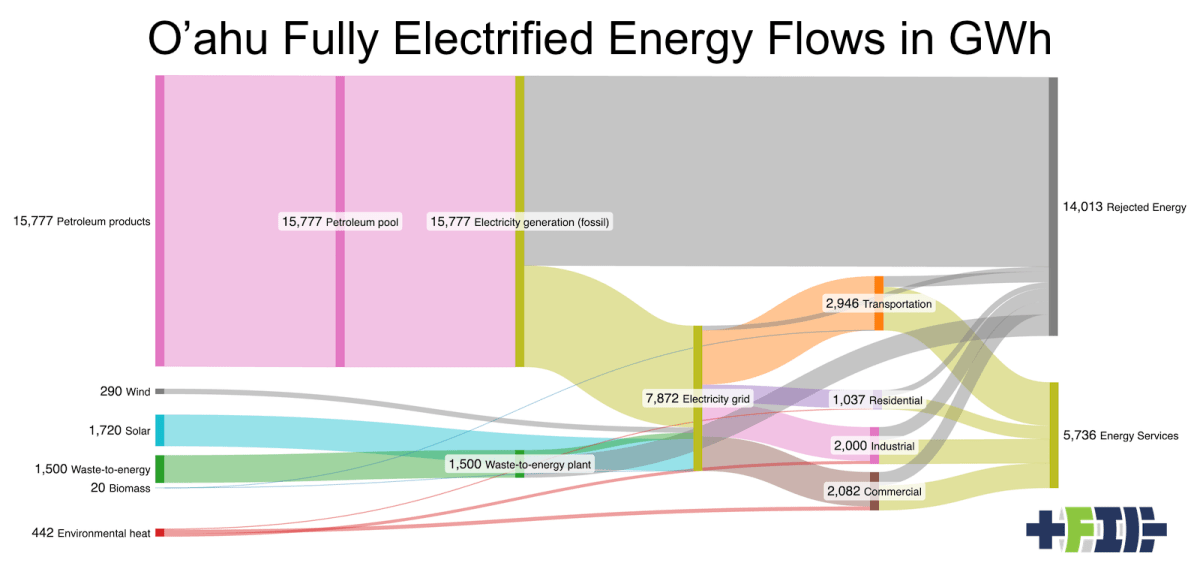
The numbers tell an encouraging story. Oahu's fully electrified transportation system will need about 8.1 gigawatt hours of electricity daily to keep all those cars, buses, and trucks running. Right now, if everyone plugs in after dinner, that creates a massive 400 megawatt spike in evening demand.
Smart charging systems can shift 60 to 80 percent of that energy into daytime hours. That single change avoids up to 320 megawatts of peak demand, which means the island needs fewer power plants sitting idle most of the day.
Hawaiian Electric already offers time-of-use pricing that makes midday electricity cheaper than evening power. The price difference gives thousands of customers a financial reason to schedule charging when solar generation peaks between 9 a.m. and 5 p.m.
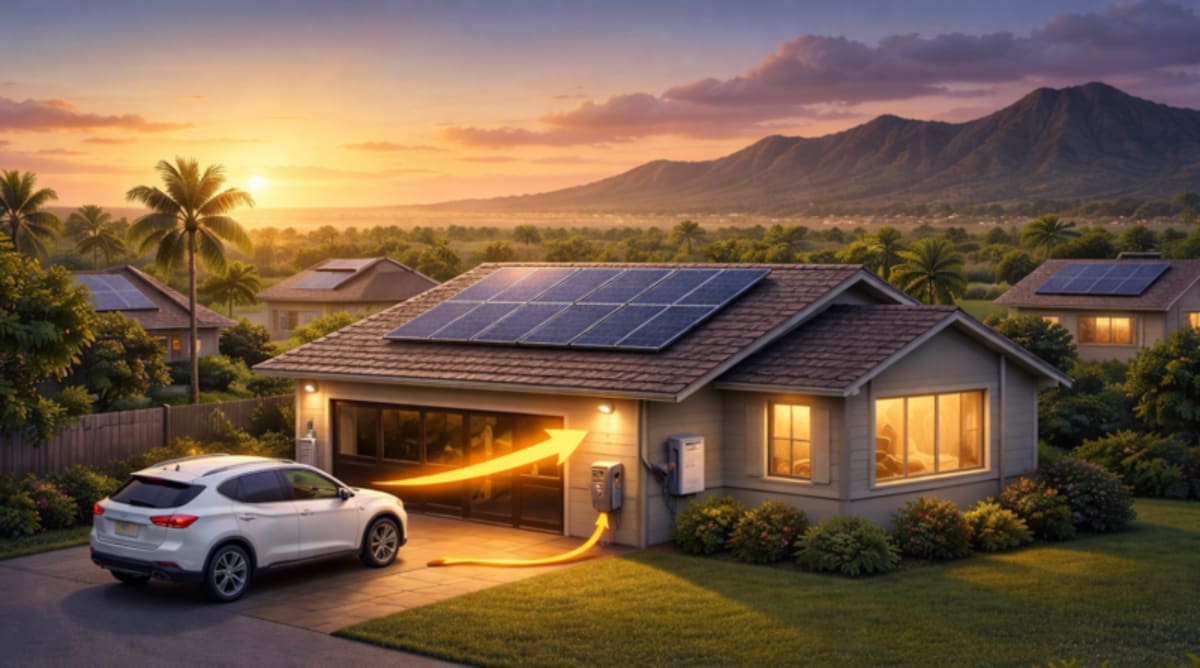
The strategy gets even better when you consider where Hawaii is putting its solar panels. Instead of building distant solar farms, the state is covering parking lots and rooftops with panels. Cars naturally park at homes overnight, workplaces during the day, and shopping centers throughout the week. Those same spots become charging stations under solar canopies.
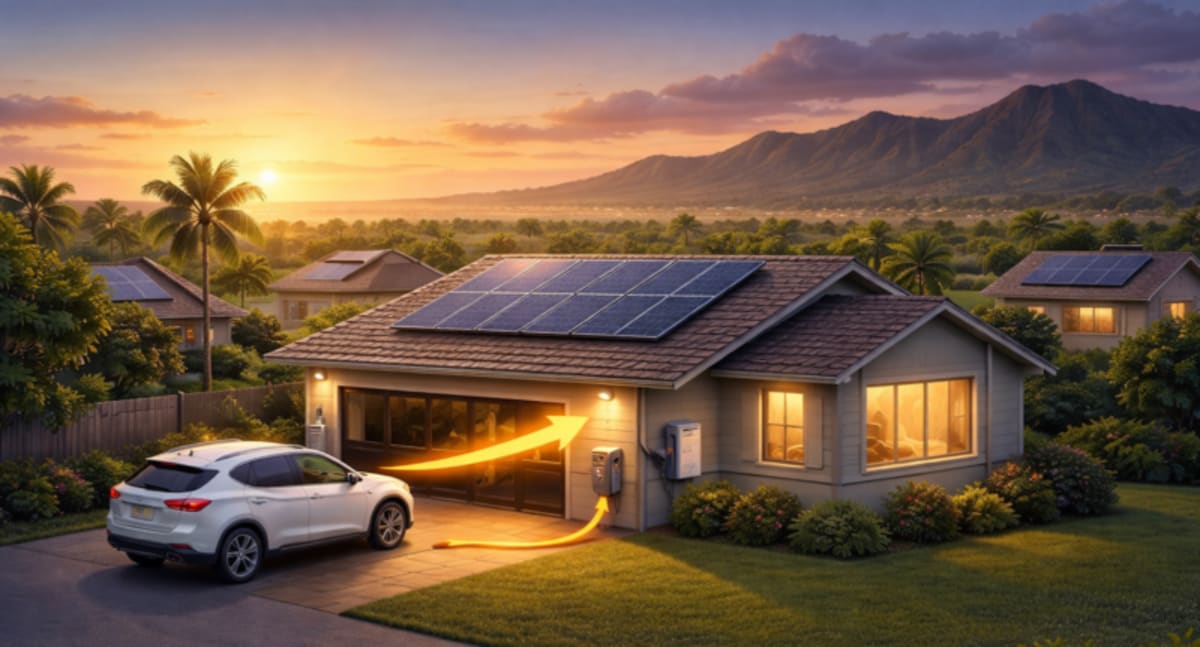
Vehicle-to-home systems add another layer of flexibility. About 46 percent of Oahu households live in detached homes with driveways, making it easy to connect EVs directly to home power systems. Since most island driving involves short distances, cars can charge during sunny hours and then supply power back to homes during evening peaks.
The Ripple Effect
This approach does more than balance the grid. It makes solar power more valuable by using it when it's most abundant, which keeps electricity affordable for everyone. Commercial customers are already responding to price signals and shifting their flexible loads to match solar generation patterns.
The model proves that clean energy works better when communities design systems around natural rhythms rather than fighting them. Other solar-heavy regions watching Hawaii's progress now have a roadmap for managing their own peak demand challenges without building excess infrastructure.
Hawaii is showing that the energy transition isn't just about swapping fossil fuels for renewables. It's about rethinking when we use electricity so clean power can truly replace the old system.
More Images
Based on reporting by CleanTechnica
This story was written by BrightWire based on verified news reports.
Spread the positivity!
Share this good news with someone who needs it