Kazakhstan Bets on Hydropower to Stabilize Clean Grid
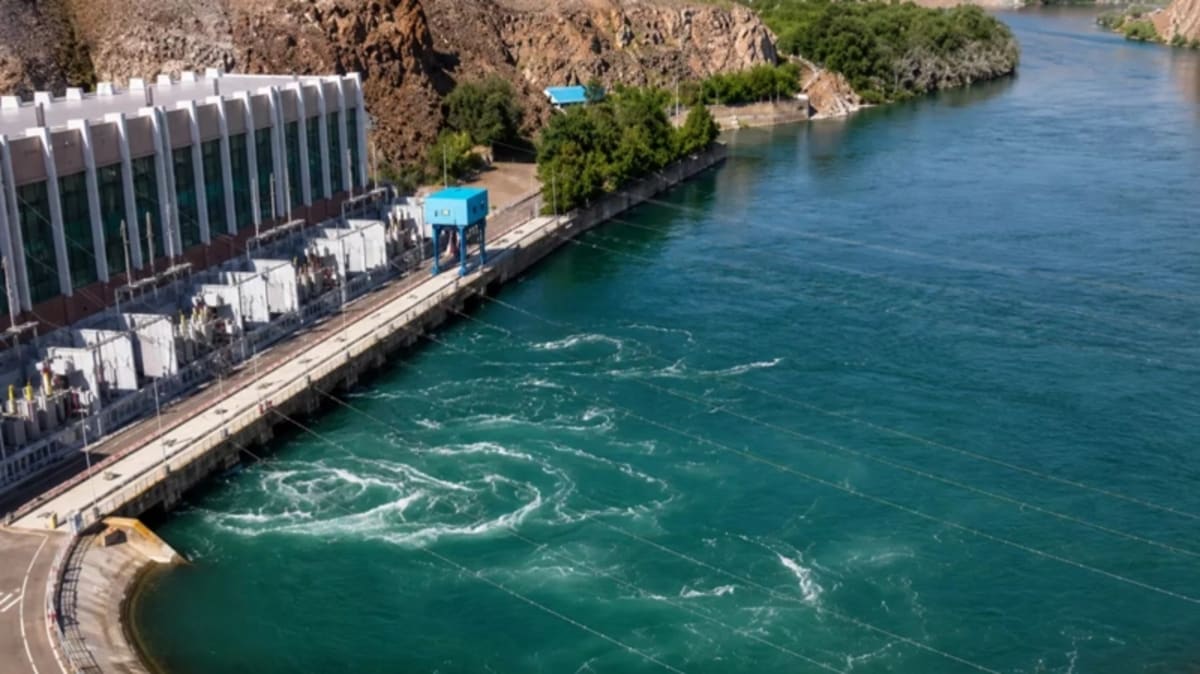
After wind and solar energy exceeded national targets in Kazakhstan, the country is now turning to hydropower to solve a critical problem: keeping the lights on when the sun doesn't shine and wind doesn't blow. A new national plan aims to add 500 megawatts of hydropower by 2030, including storage facilities that act like giant batteries for the grid.
📺 Watch the full story above
Kazakhstan just figured out what many countries learn the hard way: renewable energy is great until you need electricity at night.
The Central Asian nation's wind and solar farms performed so well they hit the 2025 renewable energy target a year early, generating 6.43% of the country's electricity in 2024. But success revealed a problem familiar to grids worldwide: solar panels and wind turbines only work when weather cooperates.
On July 31, Kazakhstan's government approved its first long-term Hydropower Development Plan through 2035. The strategy marks a shift from simply adding more renewable capacity to making sure the electricity system can actually handle it.
The plan targets at least 500 megawatts of new hydropower capacity by 2030. It includes 30 specific measures covering river assessments, environmental studies, and preparing investment-ready sites across the country.
The most exciting part involves pumped-storage hydropower, facilities that work like massive batteries. They store excess electricity when solar and wind generate more than people need, then release it during peak demand or when renewables aren't producing.
Kazakhstan currently has 3.03 gigawatts of renewable capacity installed: 1.52 gigawatts of wind, 1.22 gigawatts of solar, and 287.7 megawatts of small hydropower. As that renewable share grows, so does the need for flexible backup power.
Several projects are already moving forward. A 16-megawatt plant on the Kalzhyr River should be completed by 2030. Another ambitious project on the Ugam River combines a drinking water pipeline with hydroelectric stations, promising 110 million cubic meters of drinking water yearly while generating 72 megawatt-hours of electricity.
Five larger stations in East Kazakhstan and the Zhetysu Region could add more than 1,000 megawatts of combined capacity. Authorities have also identified 29 existing hydraulic structures perfect for small hydropower development.
The government is building a digital platform to consolidate all hydrological, technical, and environmental data in one place. Future projects will be selected based on water availability, electricity demand, feasibility, environmental impact, and investment potential.
The Ripple Effect
This strategy doesn't mean Kazakhstan is backing away from wind and solar. Energy Minister Yerlan Akkenzhenov reaffirmed the country's goal of 8.4 gigawatts of renewable capacity by 2035 at Baku Energy Week in June.
Instead, Kazakhstan is solving the puzzle that stumps many nations transitioning to clean energy: how to keep the grid stable when weather-dependent sources provide most of the power. Ainur Sospanova from the Qazaq Green Renewable Energy Association notes that rapid renewable deployment exposed weaknesses in Kazakhstan's electricity system that now need addressing.
Other countries watching their own renewable energy surge may find Kazakhstan's approach instructive. The nation is treating hydropower not as a replacement for wind and solar, but as the missing piece that makes them work reliably together.
Kazakhstan is proving that the next phase of the energy transition isn't just about building more solar panels, it's about building smarter grids that can handle them.
Based on reporting by Google News - Clean Energy
This story was written by BrightWire based on verified news reports.
Spread the positivity!
Share this good news with someone who needs it