LA River System Catches 72 Tons of Trash Before Ocean
A solar-powered floating barge is stopping plastic from reaching the Pacific Ocean, scooping up trash directly from Los Angeles rivers. The same technology is now cleaning waterways in 10 countries around the world.
📺 Watch the full story above
Young Dutch engineer Boyan Slat started Ocean Cleanup at age 18 with an ambitious dream: remove all the plastic floating in the world's oceans. Now in his early thirties, he's found a smarter approach that's actually working.
Instead of trying to clean the massive Pacific Garbage Patch, Ocean Cleanup discovered something crucial. Just 1,000 rivers worldwide dump nearly 80 percent of all ocean plastic, meaning the real solution is stopping trash before it reaches the sea.
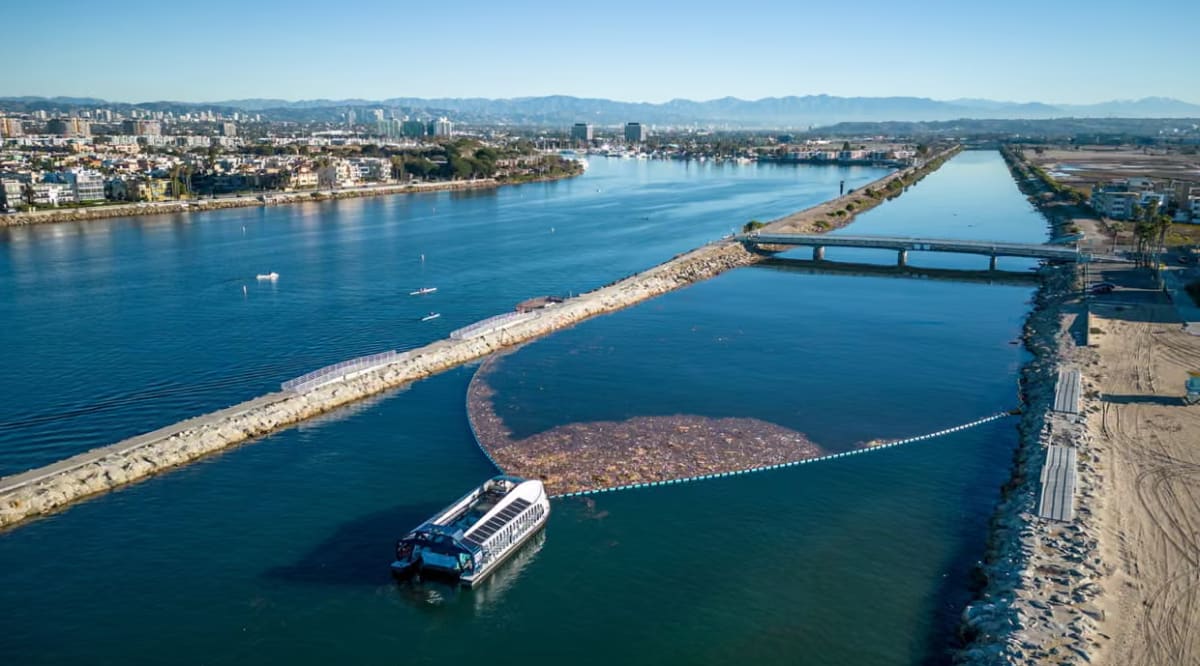
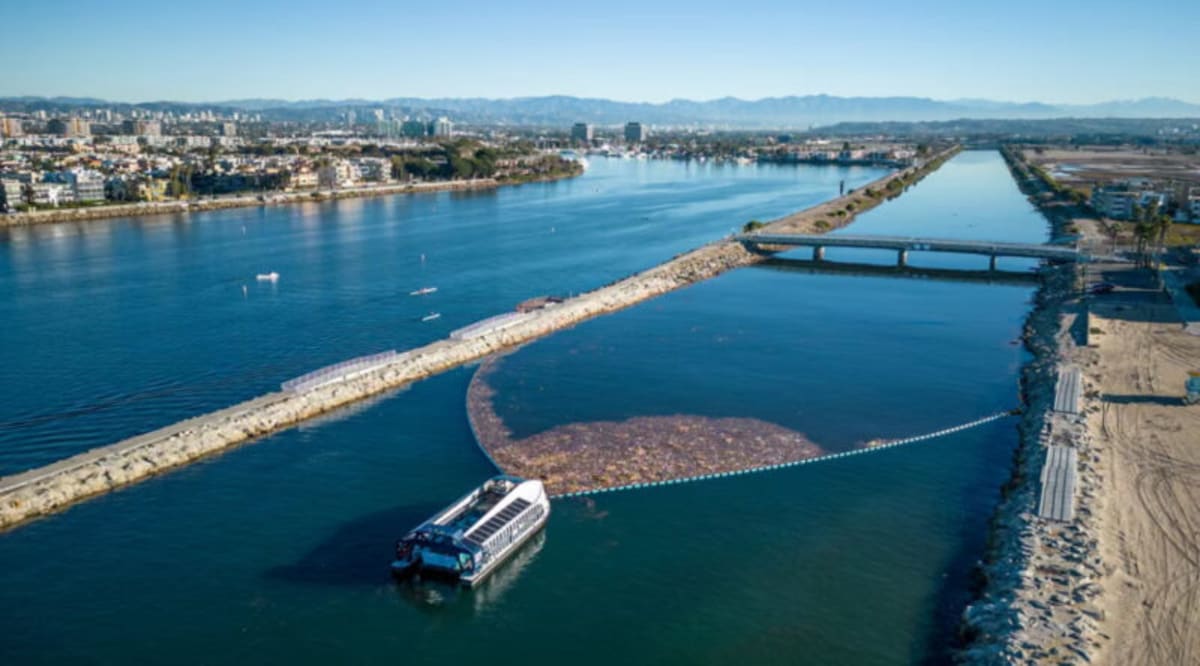
Enter the Interceptor, a solar-powered floating system that's changing the game in Los Angeles and beyond. At the mouth of Ballona Creek in Santa Monica Bay, this high-tech barge uses a V-shaped boom to guide trash onto a conveyor belt, which automatically sorts it into six large bins.
"We have to turn the faucet off before we can scoop the ocean," says James Patterson, who runs the LA operation. "Before you can clean out the Great Pacific Garbage Patch, you really need to turn off the source."
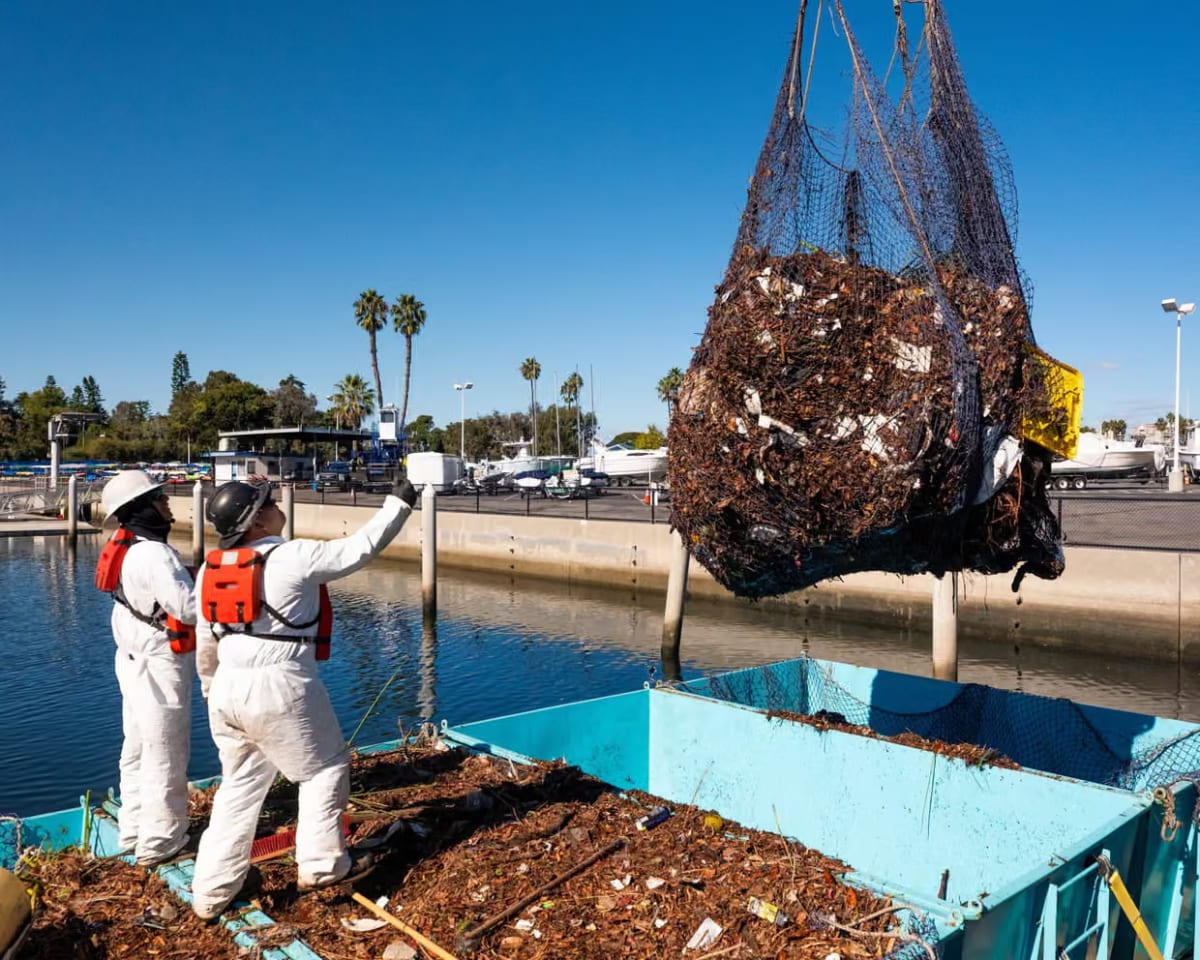
The numbers tell the story of genuine progress. In 2025 alone, the Ballona Creek Interceptor pulled 143,710 pounds of trash from the water. That's 72 tons of plastic, bottles, and debris that never made it to the Pacific.
The entire operation runs on solar power, operating quietly and autonomously around the clock. When the bins fill up (they hold about 10 tons total), the system alerts the crew and collected waste gets sorted responsibly at proper facilities.
Each custom-designed system costs about $2.8 million to build and install, plus $650,000 yearly for maintenance. Ocean Cleanup provides them free to cities, funded by over $30 million in donations supporting their mission.
The Ripple Effect
Beach cities south of the Ballona Creek project have already cut their beach cleaning budgets. There's simply less trash washing up on the sand, saving taxpayer money while protecting marine life and coastal beauty.
Twenty-one Interceptor systems now operate across ten countries, including Malaysia, Indonesia, Vietnam, Guatemala, Jamaica, and the Dominican Republic. Two more are coming to LA's San Gabriel River and Los Angeles River soon.
"Every river is different," Patterson explains, noting each location requires specialized engineering and local permits. But that hard work is paying off, one river at a time.
What started as one teenager's bold dream has become a global movement proving we can actually solve the ocean plastic crisis.
More Images


Based on reporting by Google News - Ocean Cleanup
This story was written by BrightWire based on verified news reports.
Spread the positivity!
Share this good news with someone who needs it