Malaysia Orders 1,100 Electric Buses by 2030
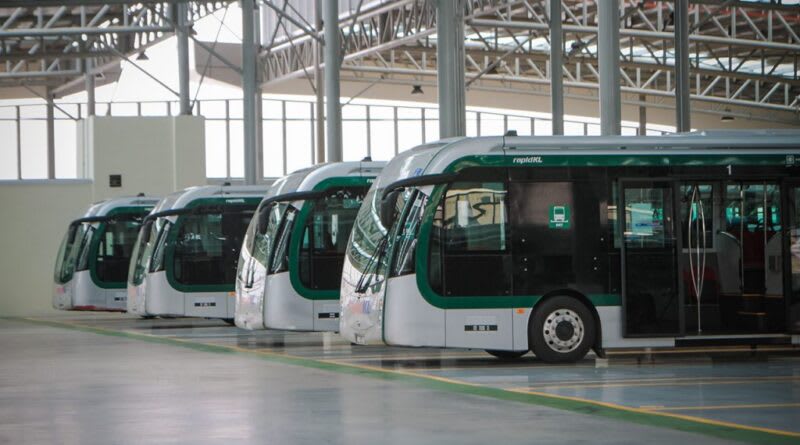
Malaysia is replacing diesel buses with over 1,100 electric ones across its biggest cities by 2030, marking Southeast Asia's largest electric bus rollout. The shift starts this year with 250 new buses hitting the streets of Kuala Lumpur and Penang.
📺 Watch the full story above
After years of small pilot programs, Malaysia is finally making electric buses the backbone of its public transport system.
Prasarana Malaysia Berhad, the country's main transport operator, announced plans to deploy 1,100 electric buses nationwide between now and 2030. The first 250 arrive between March 2026 and March 2027, with 175 serving Kuala Lumpur and 75 headed to Penang.
This isn't just about swapping vehicles. Malaysia is phasing out diesel bus purchases entirely, with the last diesel buses arriving in March 2026 before a complete transition to electric by 2037.
The country currently runs just 15 electric buses on the BRT Sunway line. That number will jump to over 1,000 in the next few years, transforming how millions of people move through Malaysian cities.
Transport Minister Anthony Loke positioned the program as central to Malaysia's climate goals and urban quality of life. The initiative ties directly to the National Energy Transition Roadmap, which targets major emissions cuts alongside transport electrification.
Penang shows why this shift matters. The island operates about 310 buses, many over a decade old and belching diesel fumes through crowded streets. By 2027, Penang expects to run 240 electric buses, cleaning the air while improving service.
Cost remains a challenge. Electric buses run between $296,000 and $370,000 each, nearly double the diesel price tag. But the government is focusing on lifetime value rather than sticker shock, since electric buses cost far less to fuel and maintain over their lifespans.
The Ripple Effect
Malaysia isn't stopping at electric buses. The country is installing solar panels at 75 rail and bus stations over the next three years, ensuring cleaner electricity powers the new fleet.
Better pedestrian walkways, accessible bus stops, and upgraded transport hubs are also in the works. The message is clear: decarbonization works best when paired with better design that puts people first.
Prasarana is expanding its on-demand van service from 50 to 220 vehicles, making it easier for people to ditch private cars. When paired with electric buses, these smaller services create a web of low-emission transit options.
For a region where transport emissions keep rising, Malaysia's commitment carries real weight. The timeline may seem slow compared to Europe or China, but the direction is unmistakable: diesel is done, and electric is the future of Malaysian cities.
More Images
Based on reporting by CleanTechnica
This story was written by BrightWire based on verified news reports.
Spread the positivity!
Share this good news with someone who needs it