Massachusetts Turns Parked EVs Into Grid-Saving Batteries
Massachusetts is testing a program that lets electric car owners earn money by sending stored energy from their parked vehicles back to the power grid. Over 150,000 EVs in the state could soon help prevent blackouts while putting cash in drivers' pockets.
📺 Watch the full story above
Your parked electric car could soon help keep the lights on across Massachusetts while earning you money at the same time.
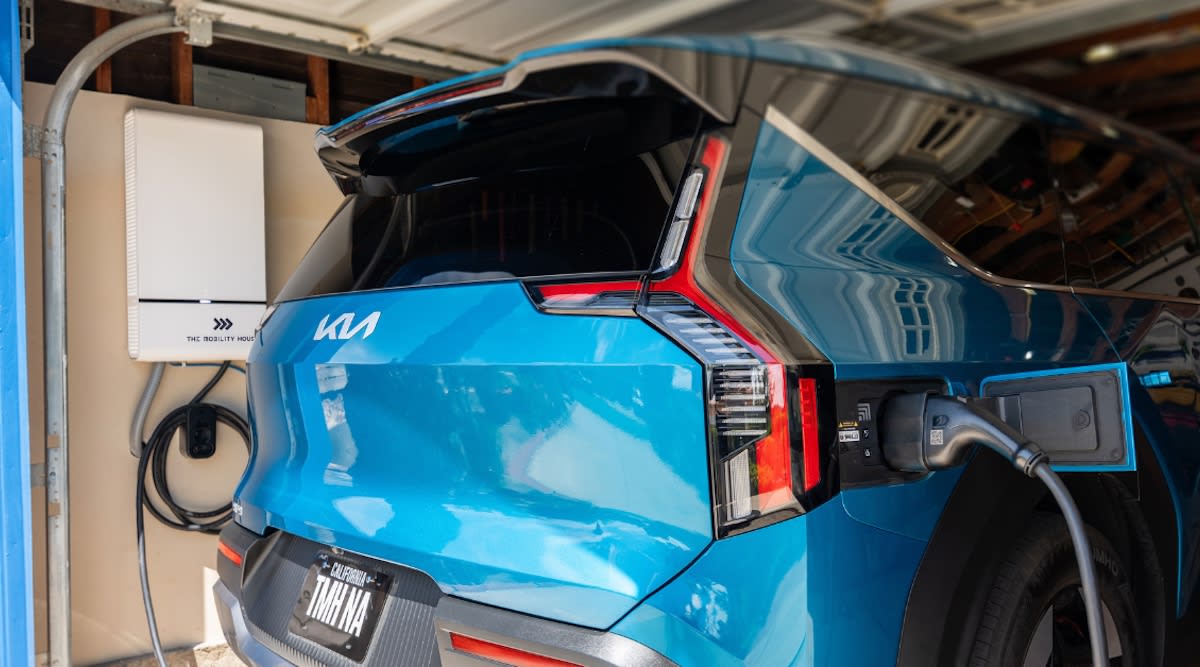
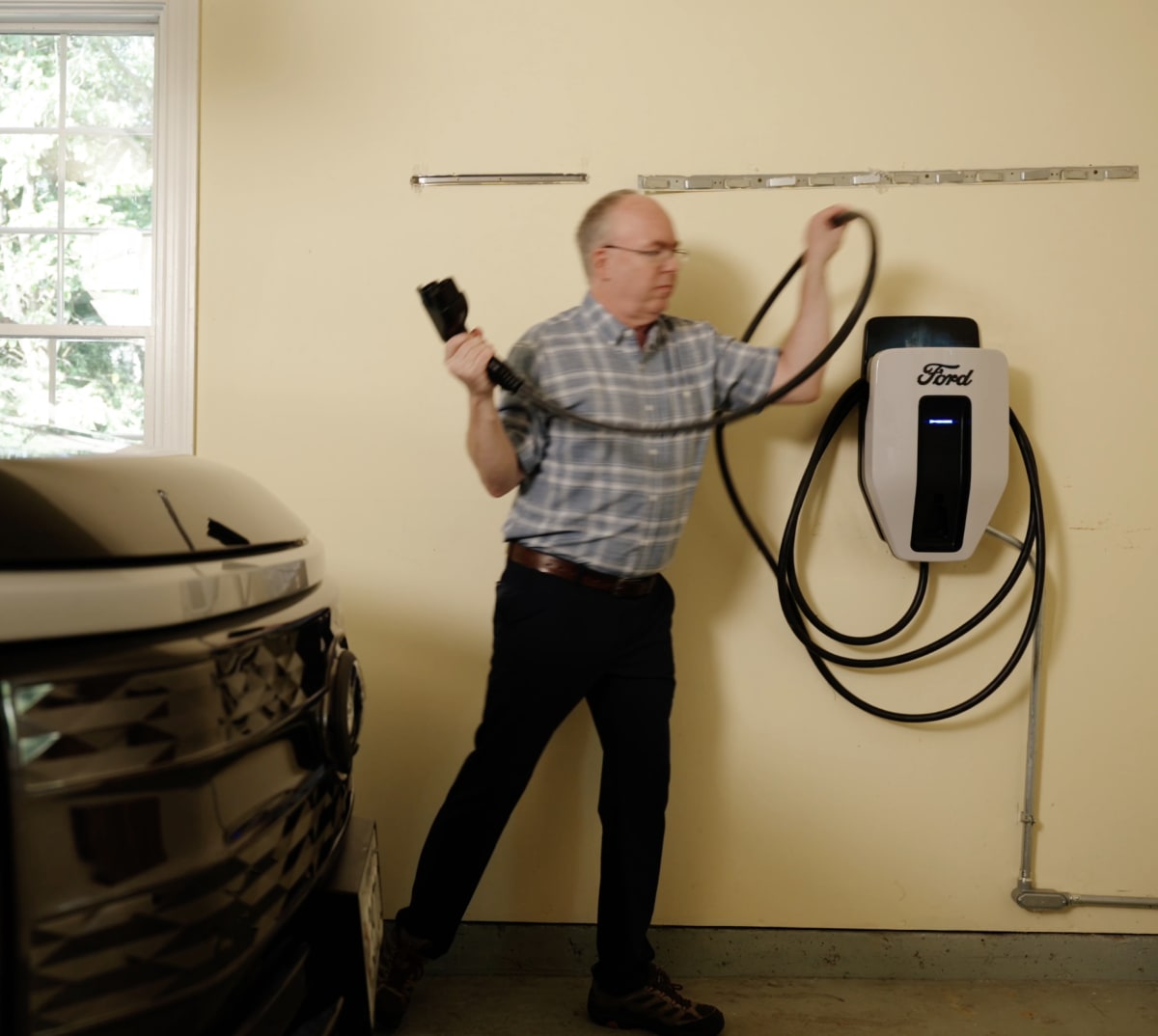
Eversource and National Grid just launched a groundbreaking test that turns electric vehicles into mobile power banks for the entire state. Through their ConnectedSolutions program, EV owners can now opt in to send stored battery power back to the grid during peak demand times, earning incentives while helping prevent strain on the electrical system.
Massachusetts already has more than 150,000 electric vehicles on the road, and that number keeps growing. Each one represents a potential energy reserve that's usually just sitting idle in driveways and parking lots. The new vehicle-to-grid technology means those parked cars can now do double duty as backup power sources.
The program works by dispatching energy from participating EVs during times when electricity demand spikes. Instead of firing up expensive and polluting backup generators, utilities can tap into thousands of car batteries across the state. Drivers get paid for their contribution, and everyone benefits from a more stable, affordable grid.
EnergyHub, Sunrun, and The Mobility House are partnering with the utilities to make the technology work seamlessly. The same ConnectedSolutions platform already manages thermostats, home batteries, and commercial resources, so adding EVs is a natural expansion.
National Grid is also testing the technology with school bus fleets, while Eversource is in talks with school districts for similar programs. These larger vehicles pack even more battery capacity, multiplying the potential impact.
The Ripple Effect
This program could reshape how we think about both transportation and energy. Every new bidirectional EV that hits Massachusetts roads becomes another node in a massive, distributed power system that makes the entire grid more resilient.
The benefits reach beyond participating drivers. When EVs help smooth out peak demand, it reduces costs for all customers on the grid. It also means less reliance on fossil fuel plants that typically ramp up during high demand periods, moving the state closer to its clean energy goals.
School buses represent a particularly exciting opportunity. These vehicles sit idle most of the day but have large batteries that could provide substantial grid support during after-school and evening peak hours. That means the same buses carrying kids to school could be helping power their homes a few hours later.
Programs like this also make EV ownership more attractive by adding a new revenue stream. The financial case for going electric gets stronger when your car can pay you back.
Massachusetts is building a model that other states are already watching closely. As more automakers release bidirectional-capable vehicles and as EV adoption accelerates nationwide, vehicle-to-grid technology could become a cornerstone of clean energy infrastructure across America.
Your next car might not just get you where you need to go; it could help power your entire neighborhood.
More Images
Based on reporting by CleanTechnica
This story was written by BrightWire based on verified news reports.
Spread the positivity!
Share this good news with someone who needs it