Mayo Clinic Brings New Hope to ALS and Dementia Patients
Researchers at Mayo Clinic are turning groundbreaking genetic discoveries into real treatments for ALS and dementia patients. New diagnostic tools, AI-powered voice technology, and targeted therapies are giving families fresh reasons for hope.
📺 Watch the full story above
Scientists at Mayo Clinic are making remarkable progress against two devastating brain diseases that were once considered separate conditions but are now known to share a common thread.
Amyotrophic lateral sclerosis (ALS) and frontotemporal dementia (FTD) affect thousands of families each year. ALS attacks the nerves controlling movement, while FTD changes personality, behavior, and language.
In 2011, Mayo Clinic researchers discovered that both diseases can stem from the same genetic mutation called C9orf72. This finding completely changed how doctors understand and treat these conditions, revealing they're part of the same disease family.
Now those discoveries are becoming real help for patients. Dr. Bjorn Oskarsson, who directs the ALS Clinic at Mayo Clinic in Florida, explains that new blood tests can detect the disease earlier by measuring nerve proteins that leak into the bloodstream.
Advanced 7-Tesla MRI imaging lets doctors see nerve damage in unprecedented detail. Combined with genetic testing, these tools help families get faster, more accurate answers during an incredibly difficult time.
Perhaps most touching is the AI-powered voice cloning technology. As ALS progresses and patients lose the ability to speak, this tool recreates their voice from earlier recordings, helping them continue conversations with loved ones through speaking devices.
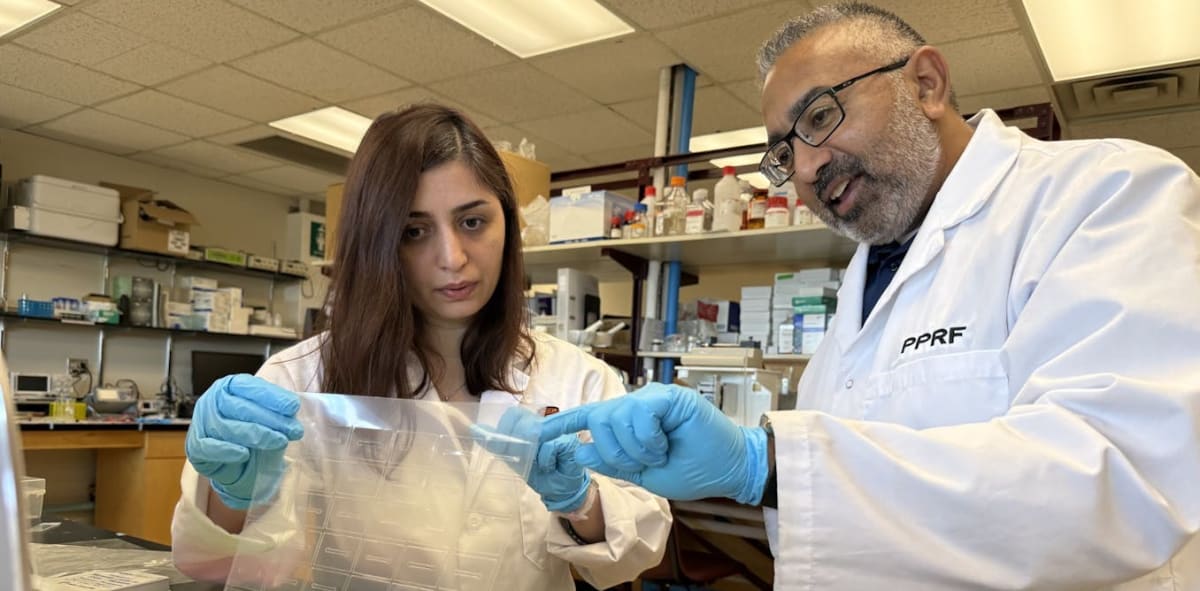
Dr. Marka van Blitterswijk is using cutting-edge genetic sequencing to understand why symptoms start earlier in some patients and progress faster in others. Her team discovered that variations in the C9orf72 mutation length directly affect disease timing and severity.
Meanwhile, Dr. Wilfried Rossoll is studying proteins that form harmful clumps in brain cells. His research found that a protein called KPNB1 might help break apart these clumps and restore normal cell function, opening doors to potential new therapies.
Clinical trials are now underway testing treatments that target the root causes of these diseases, not just their symptoms. These trials build directly on the genetic insights Mayo researchers uncovered over the past decade.
Why This Inspires
What makes this story so hopeful isn't just the science. It's watching researchers transform a single breakthrough discovery from 2011 into multiple real-world tools that help patients today.
Rosa Rademakers, who helped make the original C9orf72 discovery while at Mayo Clinic, recently won the 2026 Breakthrough Prize in Life Sciences for that work. She continues collaborating with Mayo colleagues to push the research forward.
For families facing ALS or FTD diagnoses, these advances mean earlier detection, better understanding of their specific condition, and access to emerging treatments that weren't imaginable just a few years ago.
The research is accelerating, with new genetic sequencing technologies revealing details scientists couldn't see before and creating opportunities for novel biomarkers and therapeutic strategies in the near future.
More Images

Based on reporting by Google News - Breakthrough Discovery
This story was written by BrightWire based on verified news reports.
Spread the positivity!
Share this good news with someone who needs it