Most Humans Live Where Solar and Wind Power Work Best
New research reveals that nearly all of humanity already lives in the world's sunniest or windiest regions, making the shift to clean energy far easier than previously thought. The finding flips the renewable energy debate from "can we afford it?" to "how fast can we build?"
📺 Watch the full story above
Here's some genuinely exciting news about our energy future: most of us already live exactly where we need to be for the clean energy revolution to succeed.
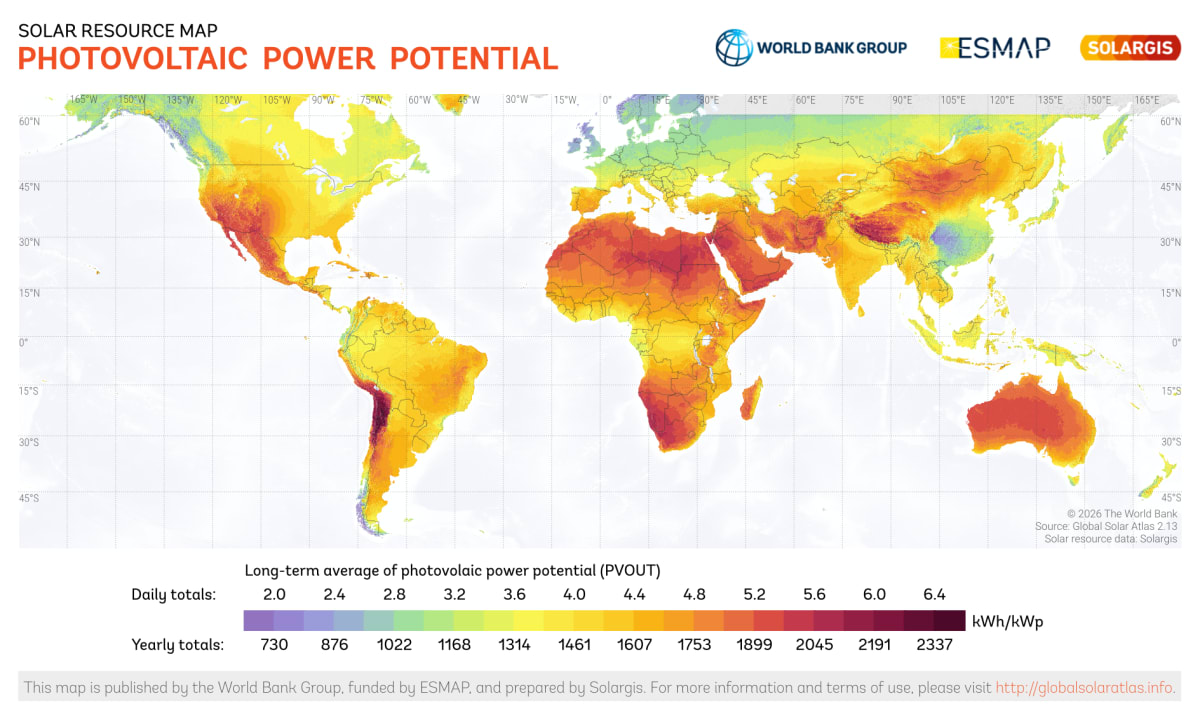
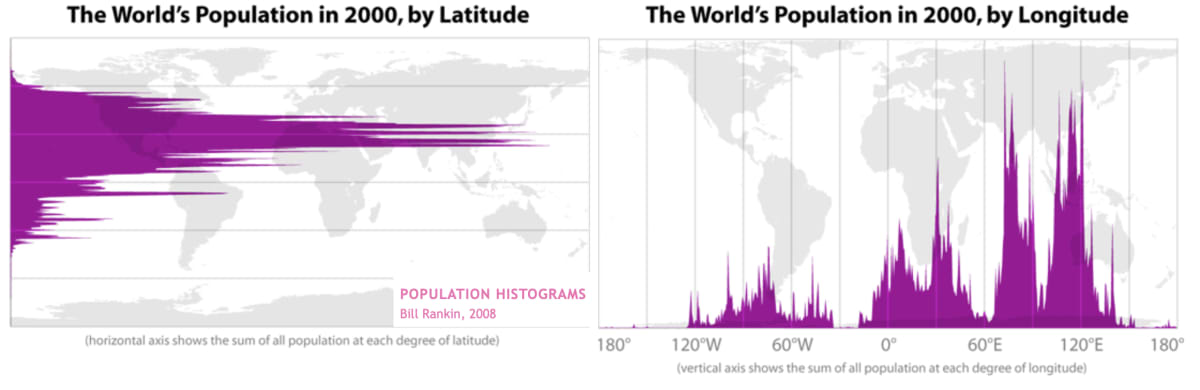
New analysis from researchers at the University of Western Australia and Curtin University shows that roughly two-thirds of humanity lives in sun-drenched low to mid latitudes. Large chunks of Africa, Latin America, the Middle East, India, Southeast Asia, Australia, southern Europe, and much of the US sit in the highest solar resource zones on Earth.
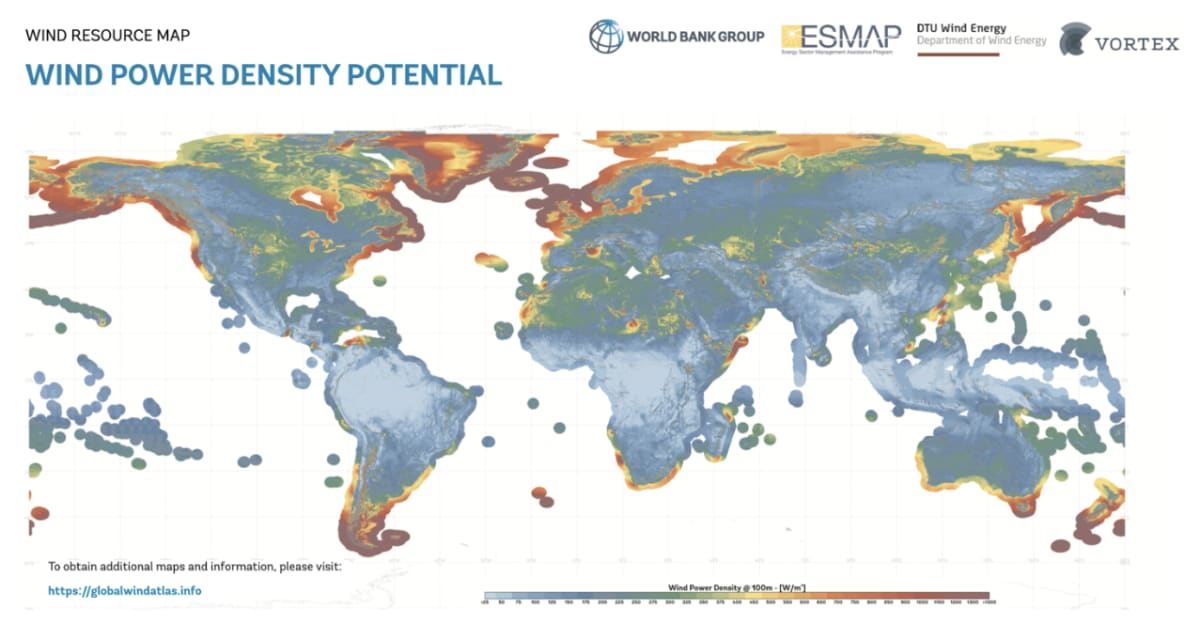
Meanwhile, billions more people live in the 35 to 60 degree latitude bands where powerful westerlies and storm tracks create excellent wind conditions. That includes Western and Central Europe, much of North America, southern South America, and parts of China, Japan, and Korea.
The researchers found that between these two zones, almost everyone on the planet lives in a place naturally rich in at least one of the two main renewable sources needed for a fully electrified system. Strong coastal winds often peak at different times of day and year than solar, meaning they complement each other beautifully.
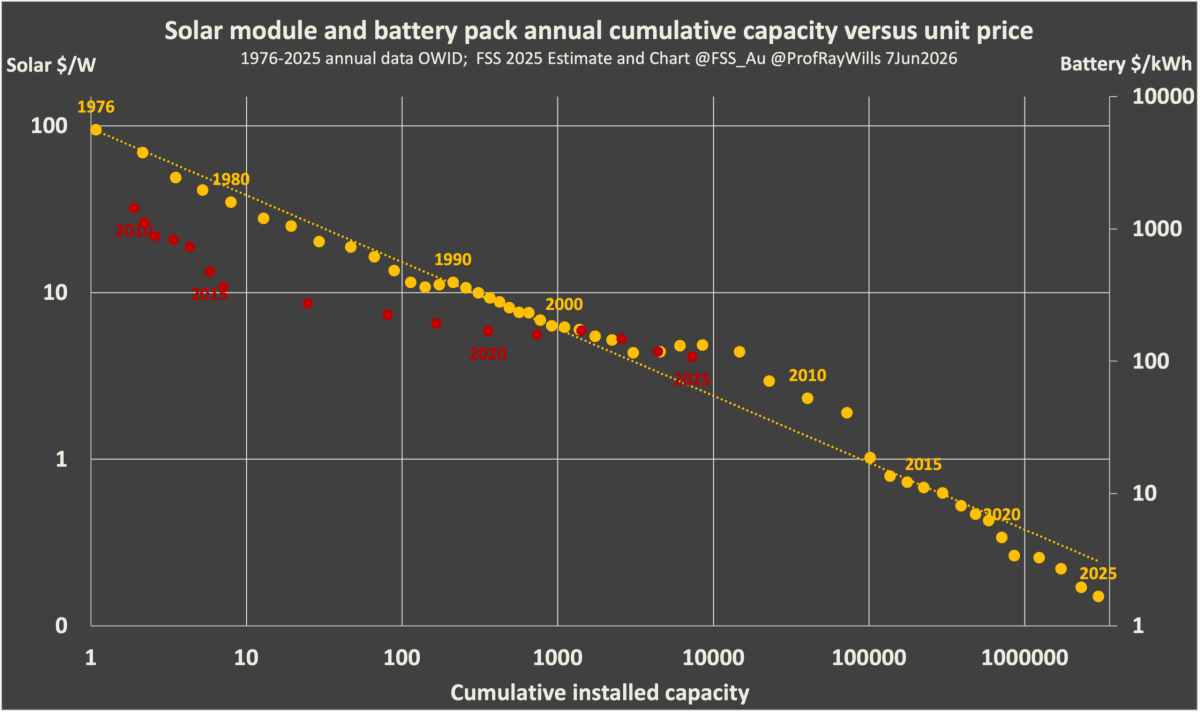
And here's where it gets even better. The cost of solar panels has plummeted so dramatically that in sun-rich regions, solar isn't just clean energy anymore. It's the cheapest and most accessible new bulk energy source, period.
Battery storage costs have followed the same downward trend. Data shows a consistent pattern: every time we double renewable capacity worldwide, costs drop again. This learning curve has already pushed solar and battery prices down by orders of magnitude, with no sign of slowing.
The Ripple Effect
This discovery changes how we should think about the energy transition entirely. The shift to renewables isn't constrained by whether we have enough sun and wind. It's only limited by how fast we can plan and invest in building the infrastructure.
When regions generate their own power from local sun and wind instead of importing fossil fuels, they gain energy independence. Communities get more control over their power sources, lower exposure to resource conflicts, and protection from volatile fuel prices.
The faster countries build renewable capacity, the cheaper their entire energy systems become. Large grids with abundant wind, solar, and growing battery fleets aren't a cost burden as critics claim. They're actually the mechanism that keeps driving costs down while replacing the more expensive fossil fuel system of the last century.
The path forward requires integrated planning that treats generation, storage, transmission, and demand as one connected system rather than separate parts. But the natural resources needed for success are already there, right where most of us call home.
Nature dealt humanity a lucky hand for the energy transition we need most.
More Images
Based on reporting by CleanTechnica
This story was written by BrightWire based on verified news reports.
Spread the positivity!
Share this good news with someone who needs it