Nairobi's Electric Buses Cut Costs as Fuel Prices Surge
Kenya is turning surplus renewable energy into electric buses that shield riders from global oil shocks. With 90% renewable electricity and operators saving money, African cities are proving clean transport makes economic sense.
📺 Watch the full story above
When fuel prices jumped 80% across East Africa, bus operators faced a brutal choice: go broke absorbing costs or raise fares on millions of commuters who depend on affordable rides to work.
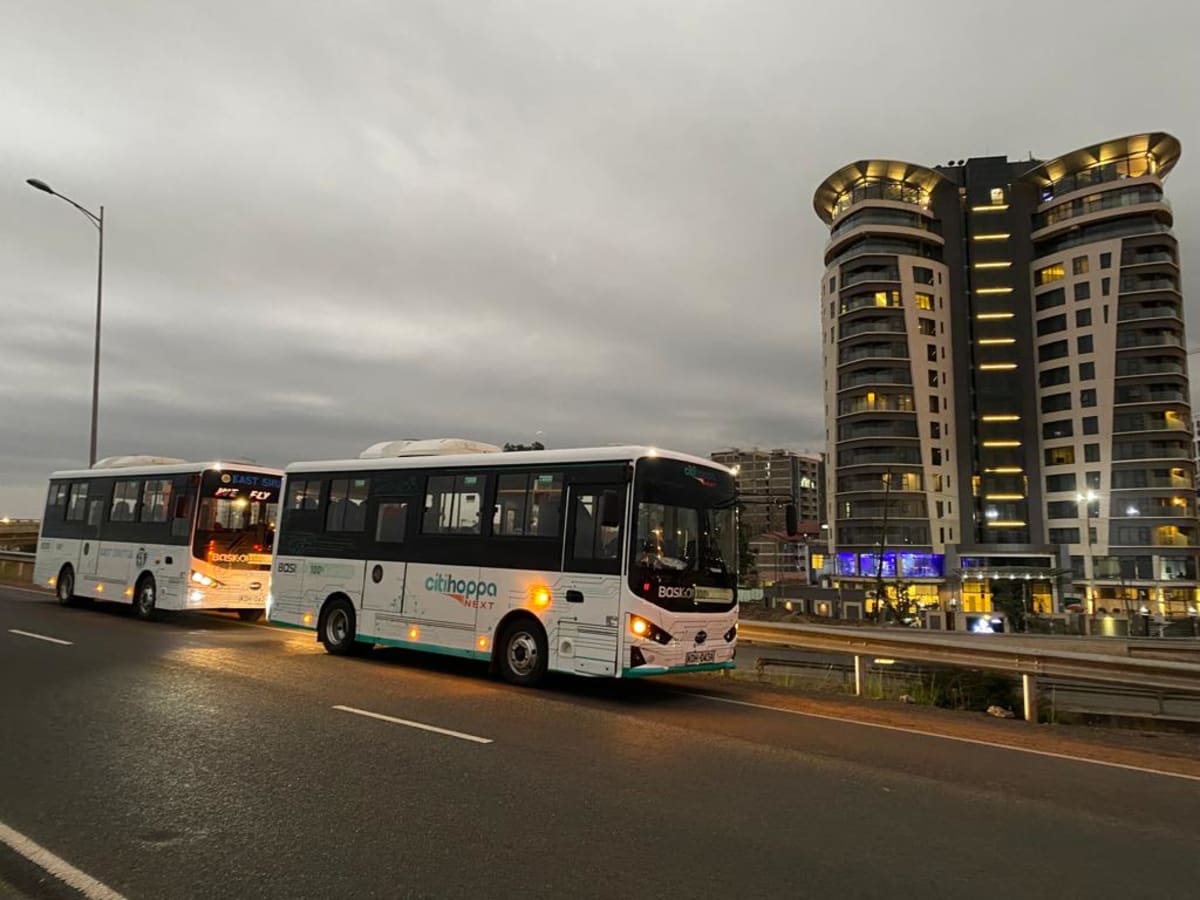
Kenya found a third option. The country is converting its underused renewable energy into electric buses that cost less to run and insulate riders from global oil crises.
Nearly all of Kenya's fuel is imported, draining $5 billion from foreign reserves annually. When tensions flare in the Gulf region, Nairobi commuters feel it within days as bus fares climb and groceries get more expensive. Buses carry 40% of urban trips in African cities, so diesel price spikes hit everyone.
But Kenya produces over 800 gigawatt hours of surplus clean electricity from geothermal, wind, and hydropower that sits unused during off-peak hours. Electric buses can soak up that wasted energy while slashing operating costs for transit companies.
The math is starting to work. Pay-as-you-drive financing models let operators skip huge upfront costs and pay predictable daily fees instead. Even before recent fuel shocks, electric buses were becoming competitive with diesel, and the gap keeps widening as oil prices swing wildly.
Electric buses currently make up less than 1% of Nairobi's fleet. If that number hits 20 to 30%, operators could weather fuel crises without constantly raising fares on riders who can least afford it.
The Ripple Effect
The benefits stretch beyond stable bus tickets. Every electric bus eliminates tailpipe emissions in cities where air pollution threatens public health. It keeps foreign currency at home instead of shipping it overseas for imported diesel. And it transforms stranded renewable energy into economic independence.
Africa can't control global oil markets, but it can choose how to power its cities. Kenya is showing that the technology works, the clean energy exists, and the economics favor buses that run on homegrown electricity instead of imported fuel vulnerable to distant conflicts.
The transition from fuel dependence to energy independence is rolling through Nairobi's streets right now.
More Images

Based on reporting by CleanTechnica
This story was written by BrightWire based on verified news reports.
Spread the positivity!
Share this good news with someone who needs it