NASA Jets Chase Solar Eclipse to Study Sun's Secrets
On August 12, 2026, NASA scientists will fly a high-altitude jet at 50,000 feet to unlock mysteries of the sun's corona during a total solar eclipse crossing Greenland, Iceland, and Spain. Student teams will also launch 80 scientific balloons to measure how darkness transforms Earth's atmosphere.
📺 Watch the full story above
When the moon blocks the sun on August 12, 2026, NASA scientists won't just be watching from the ground. They'll be racing the shadow at 460 miles per hour, turning three fleeting minutes of darkness into breakthrough science.
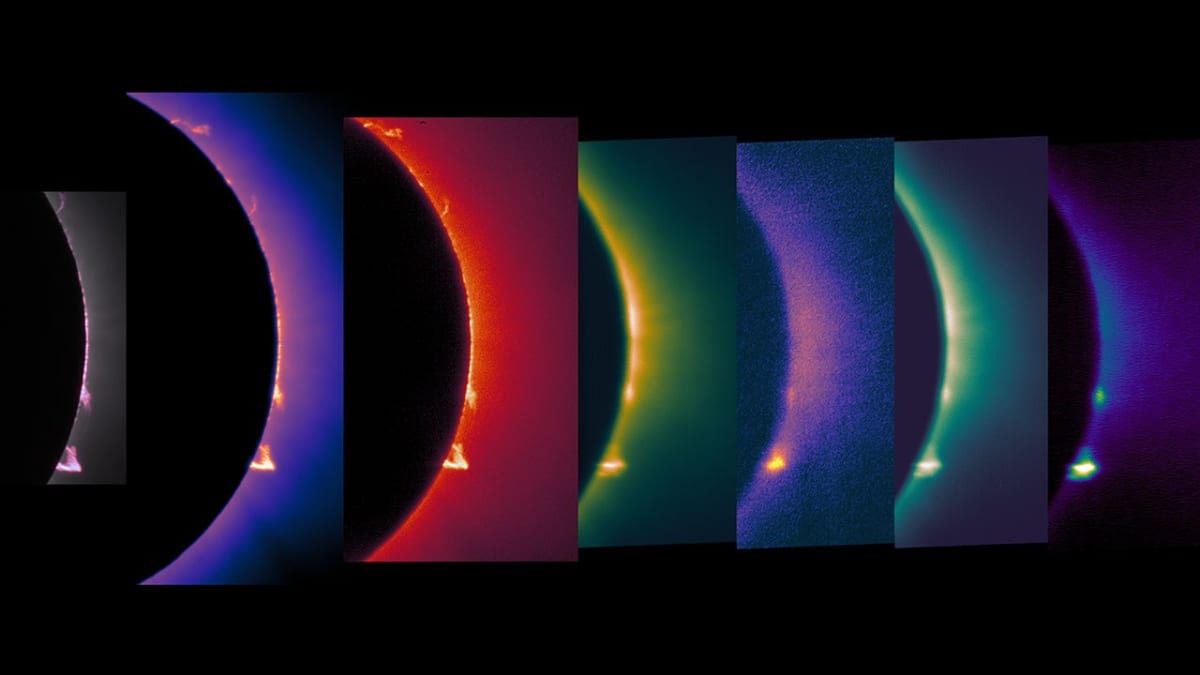
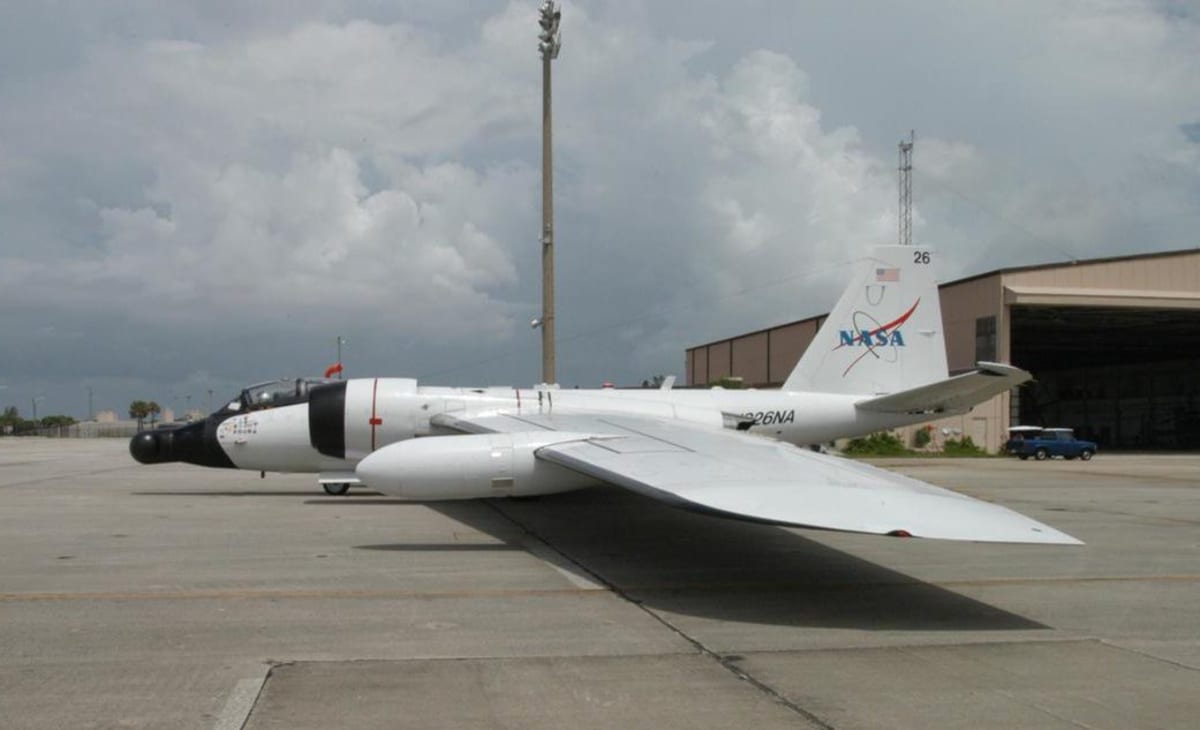
A specially equipped WB-57 jet will soar above the clouds at 50,000 feet, carrying four high-speed cameras designed to capture the sun's corona in unprecedented detail. The cameras will snap at least 20 images per second, recording the sun's ethereal outer atmosphere in wavelengths of light that rarely reach Earth's surface.
"The Sun is always changing," says Amir Caspi of the Southwest Research Institute, who leads the camera team. "Every eclipse is different, so we could see things we didn't see before."
The jet's view will last nearly three minutes, a full minute longer than anyone watching from the ground. That extra time matters because scientists are hunting for answers to some of the sun's biggest puzzles: how its corona heats to nearly a million degrees, how solar material suspends above the surface in massive prominences, and how the solar wind flows across our entire solar system.
These same cameras flew during the 2024 eclipse and captured valuable data. Now the team has enhanced their approach, adjusting exposure times to catch bright features they missed before and using new software to analyze results faster.
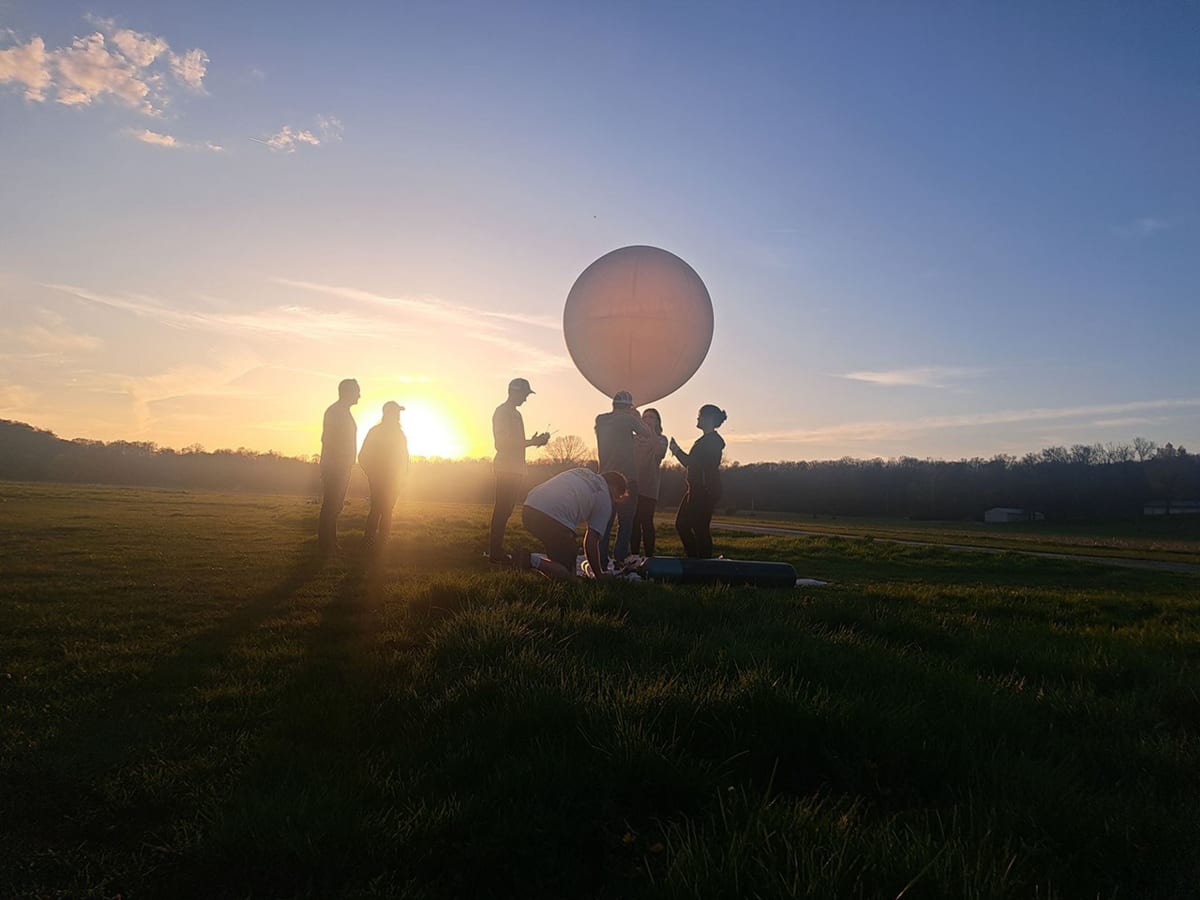
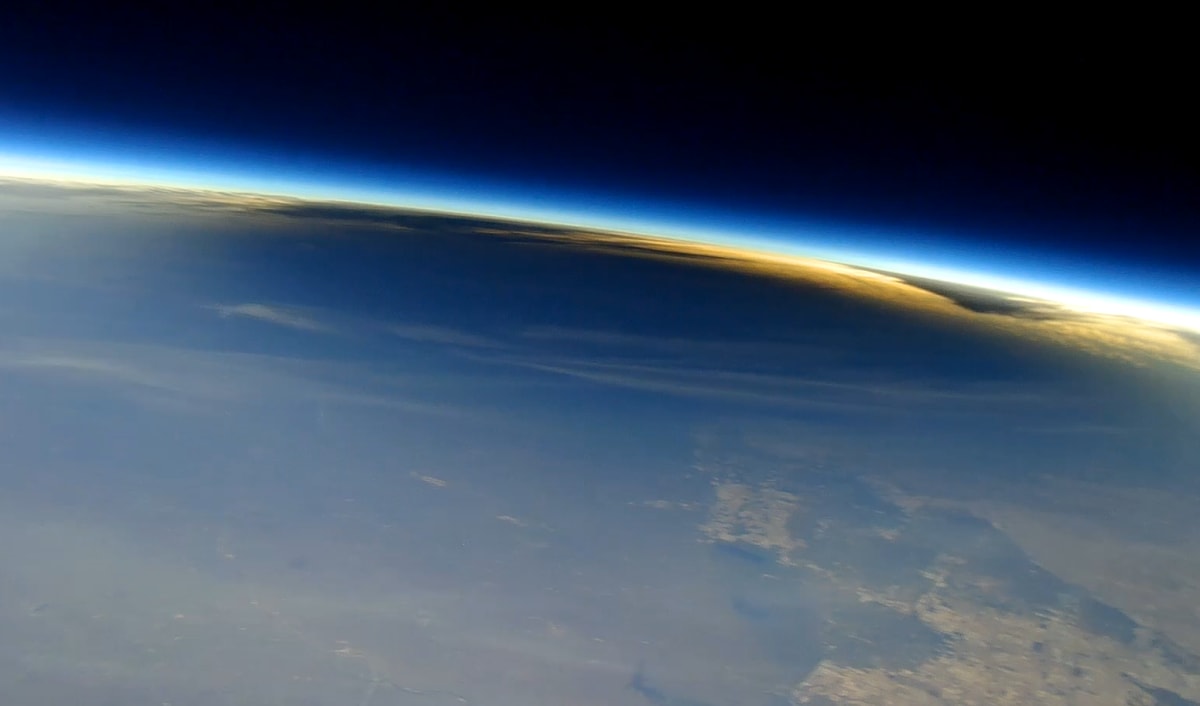
Meanwhile, student teams from several U.S. universities will fan out across Iceland and Spain with a different mission. They'll launch 80 scientific balloons starting 18 hours before the eclipse to track how sudden darkness transforms Earth's boundary layer, the atmospheric zone that touches the ground.
Previous eclipse flights in 2023 and 2024 revealed surprising changes. The boundary layer collapsed in clear skies but stayed stable under clouds. Iceland's long August days might produce completely different results.
The Ripple Effect
This eclipse science reaches far beyond academic curiosity. Understanding the sun's corona helps protect our satellites, astronauts, and power grids from solar storms. The atmospheric research reveals how our planet responds to rapid changes in sunlight, information that could improve weather forecasting and climate models.
"The Sun impacts our daily life, satellites, and astronauts in space," says Kelly Korreck, NASA's eclipse program manager. "We can take advantage of this moment to advance our understanding of that influence."
The student balloon teams represent universities working together across continents, training the next generation of atmospheric scientists while gathering data no ground station could capture. Their measurements will compare eclipse effects in Iceland's nearly endless summer daylight against Spain's more typical day-night cycle.
Flying into the moon's shadow isn't just about chasing darkness—it's about illuminating the mysteries that shape our entire solar system, one precious minute at a time.
More Images
Based on reporting by NASA
This story was written by BrightWire based on verified news reports.
Spread the positivity!
Share this good news with someone who needs it