NASA's Shoebox-Sized NavCube Guides Future Moon Missions
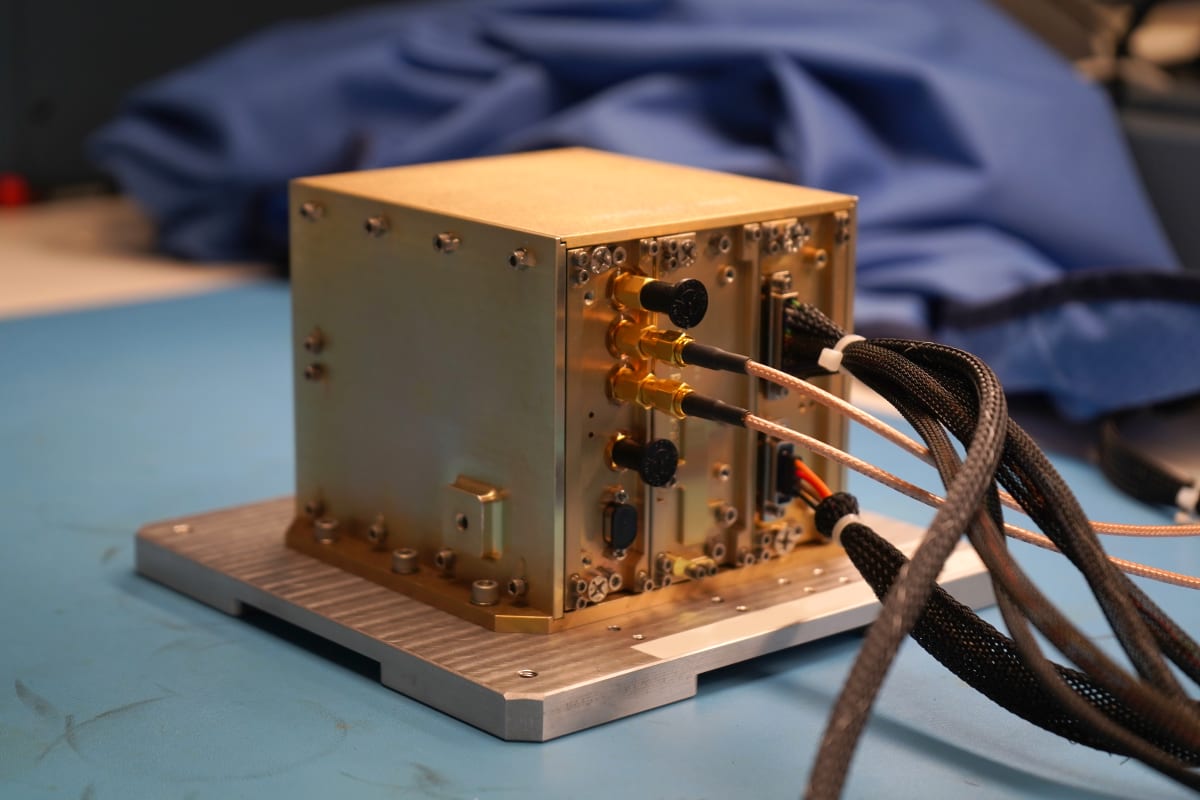
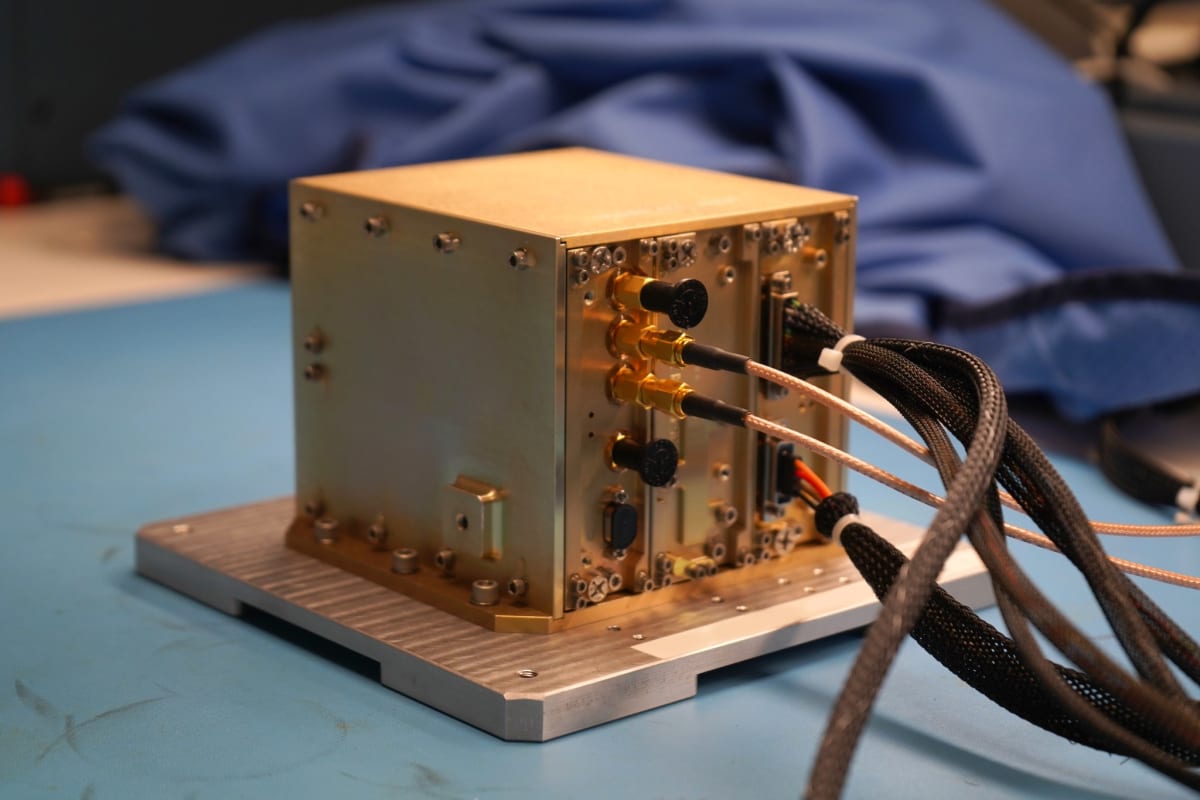
NASA just delivered a navigation system smaller than a shoebox that will help astronauts and rovers explore the Moon's South Pole in 2028. The tiny device uses regular GPS signals from Earth to guide spacecraft nearly 240,000 miles away.
📺 Watch the full story above
NASA just shipped a 3.5-pound navigation system that could change how we explore the Moon forever.
The space agency delivered its NavCube3-mini payload to Intuitive Machines on July 13, marking a major step toward building a lunar communication network. This shoebox-sized device will fly aboard Altus-1, the first satellite in a planned network designed to support NASA's future Moon Base.
The compact navigator packs serious power despite its tiny size. Using signals from Earth's GPS and Europe's Galileo systems, it can pinpoint a spacecraft's exact location at lunar distances while running on just 20 watts of power. That's the same energy a laptop computer uses.
NavCube3-mini represents years of navigation breakthroughs at NASA's Goddard Space Flight Center in Maryland. Each version has pushed GPS technology to work at record-breaking distances from Earth, and this latest model takes that achievement all the way to the Moon.
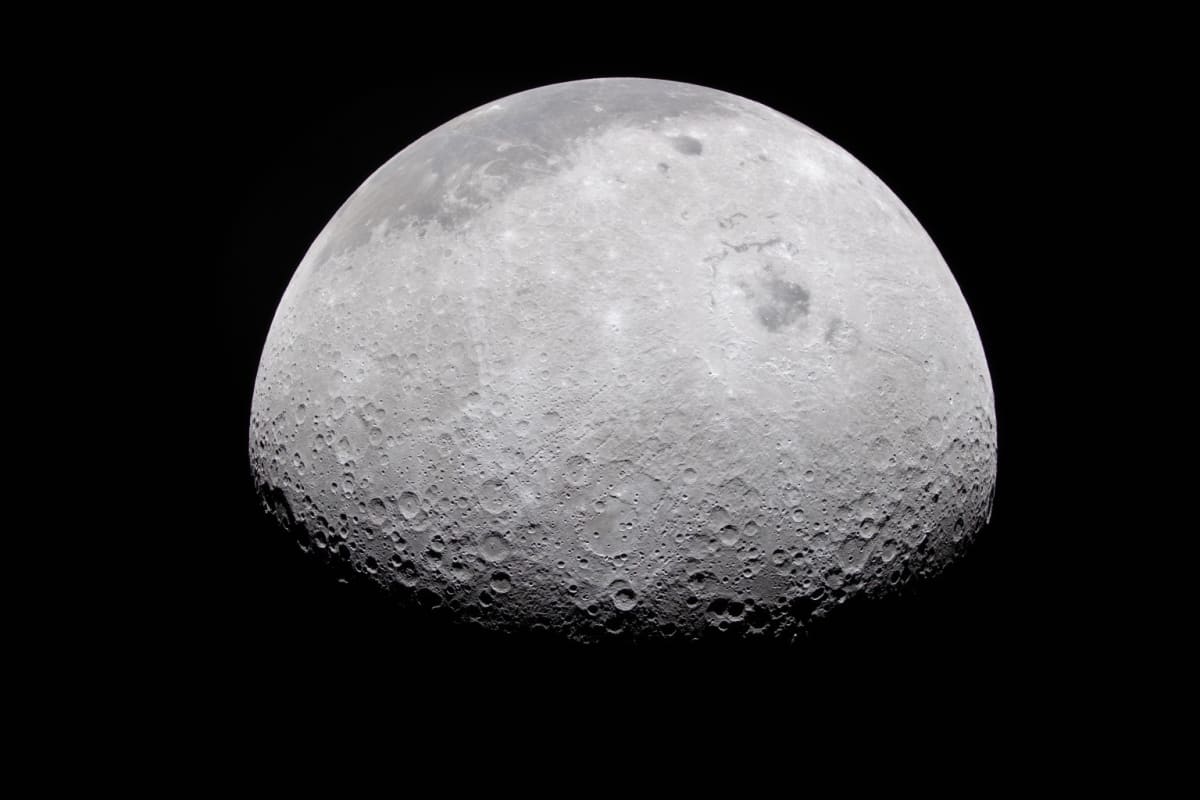
The device will be critical for missions to the lunar South Pole, where Artemis astronauts plan to land in 2028. Direct communication with Earth is difficult in that region because of the challenging terrain and lighting conditions. The relay satellite network will bridge that gap, providing reliable communication and navigation support.
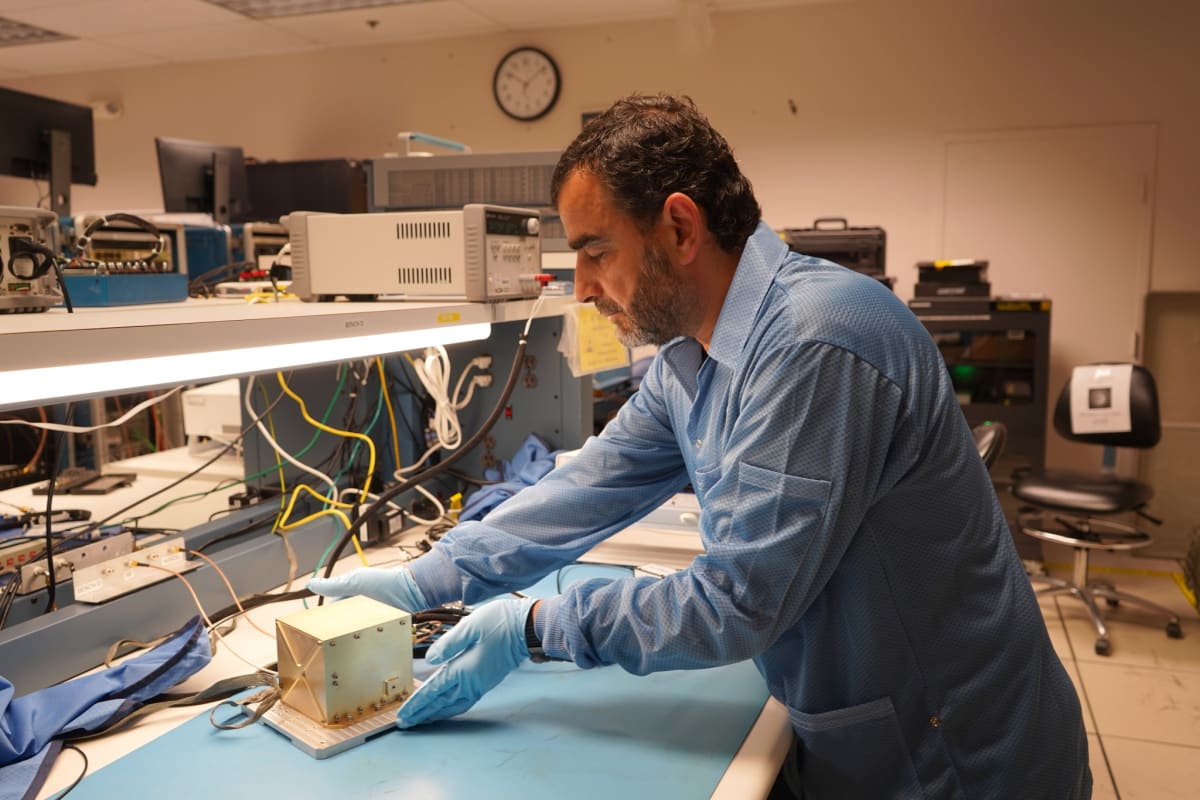
Before shipping, the NavCube underwent intense testing to prove it could survive the journey. Engineers subjected it to violent vibrations simulating launch conditions, extreme temperature swings in vacuum chambers, and electromagnetic interference tests. The device passed every challenge, performing flawlessly with simulated GPS signals it will encounter in lunar orbit.
The Ripple Effect
This navigation system is part of something bigger than just one mission. NASA is building an entire lunar ecosystem through partnerships with commercial companies like Intuitive Machines. The relay network will support orbiters, landers, rovers, and eventually humans living on the Moon full-time.
As more spacecraft and astronauts operate around the Moon, these navigation tools will let them work more safely and independently. The technology demonstrates how Earth-based systems can extend far beyond our planet, creating highways in space the same way GPS revolutionized travel on Earth.
Future lunar explorers won't have to wonder where they are or struggle to stay connected with mission control back home.
More Images

Based on reporting by NASA
This story was written by BrightWire based on verified news reports.
Spread the positivity!
Share this good news with someone who needs it